

Award-Winning Architecture with Alterstudio and Positive Energy
The architectural landscape in Austin, Texas, has been profoundly shaped by a unique and enduring partnership between Alterstudio Architects, a firm celebrated for its deep commitment to the design process and exceptional residential projects, and Positive Energy, a pioneering residential MEP engineering and building science firm. This collaboration has consistently pushed the boundaries of conventional design and construction, resulting in stunning pieces of residential architecture that are not only aesthetically remarkable but also embody comfort, health, and inspiration.1 Their combined expertise has been instrumental in translating architectural vision into tangible, high-performance spaces.
Alterstudio Architects and Positive Energy: A Longstanding Collaborative Partnership
The architectural landscape in Austin, Texas, has been profoundly shaped by a unique and enduring partnership between Alterstudio Architects, a firm celebrated for its deep commitment to the design process and exceptional residential projects, and Positive Energy, a pioneering residential MEP engineering and building science firm. This collaboration has consistently pushed the boundaries of conventional design and construction, resulting in stunning pieces of residential architecture that are not only aesthetically remarkable but also embody comfort, health, and inspiration.1 Their combined expertise has been instrumental in translating architectural vision into tangible, high-performance spaces.
The Genesis and Evolution of a Unique Partnership
The foundation of this long-standing relationship lies in a shared dedication to excellence and a proactive approach to problem-solving. Over time, our inter-firm communication has become remarkably smooth, fostering a project team environment where we effortlessly anticipate one another's needs. This level of mutual understanding is a hallmark of truly integrated design, significantly contributing to efficiency and innovation by minimizing costly revisions and maximizing creative potential. The tangible success of this synergy is evident in the dozens of projects they have completed together, many of which have garnered an arsenal of awards and have been extensively published, serving as powerful testament to their collective impact on the built environment.
Ernesto Cragnolino's Testimonial: The Search for a True MEP Partner
The value of this partnership is perhaps best articulated by Ernesto Cragnolino, FAIA, of Alterstudio Architects. He recounts a prevalent challenge faced by architects in the custom residential sector: the difficulty of finding an MEP partner with both specialized residential expertise and a genuine commitment to integration with architectural design. Cragnolino shares the firm's journey:
“I have been working in custom residential architecture in Austin, Texas for over 15 years. Our firm prides itself on thorough attention to detail, and to the resolution of technical issues especially as they relate to the broader experience of the architecture. For many years I had sought out a partner that could work with us on the integration of HVAC systems. We tried everything: working with design/build installers in the design phase, subcontracting with mechanical engineers whose specialty was obviously commercial, and reaching out to companies outside of Austin that claimed to specialize in residential HVAC. The results ranged from modest regrets to full on disappointment. When we came across Positive Energy, we finally felt like we had a dedicated and knowledgeable team member that would help us take our projects to another level of resolution. It has truly been a successful partnership.”
This candid account highlights a significant industry gap: the scarcity of MEP partners who possess both specialized residential expertise and a commitment to true integration with the architectural design. Positive Energy, offering a "dedicated and knowledgeable team member," directly enables Alterstudio to achieve a "next level of resolution" in their projects. Positive Energy's specialized, integrated MEP services are a catalyst for Alterstudio's remarkable architectural design quality and problem-solving capabilities, allowing them to realize more complex and higher-performing designs. Positive Energy doesn’t just view itself as an MEP service provider, but rather as a co-creator of the world class architecture projects that Alterstudio brings to life.
Creating Comfortable, Healthy, and Inspiring Spaces
The collaborative spirit between Alterstudio and Positive Energy is rooted in a holistic design philosophy. Kristof Irwin of Positive Energy and Ernesto Cragnolino of Alterstudio have jointly presented to other architects, discussing the nature of their partnership and their methodology for creating "incredible, comfortable, and healthy spaces that allow the human spirit to soar with inspiration".
The fact that both principals actively share their collaborative approach through joint presentations to peers signifies that their partnership is not merely a successful business arrangement, but a replicable model for integrated design within the broader architectural community. This shared design philosophy transcends purely aesthetic or energy-efficiency goals, prioritizing the occupant's overall well-being and experience. Our collaborative work is a leading example for architects seeking to design spaces that genuinely enhance human life, aligning with the aspiration to inspire the audience to create impactful spaces.
Shaping Austin's Architectural Record: Project Spotlights
An Overview of How Design Intent Meets Built Reality
Each project featured below exemplifies the seamless integration of Alterstudio's distinctive architectural vision with Positive Energy's advanced MEP and building science expertise. This collaboration is what optimizes each structure for performance, long-term durability, and unparalleled occupant comfort. Across all these highlighted projects, Positive Energy's consistent scope of work was comprehensive MEP Engineering, underscoring their critical and consistent role in bringing these complex designs to fruition.
Highland Park Residence
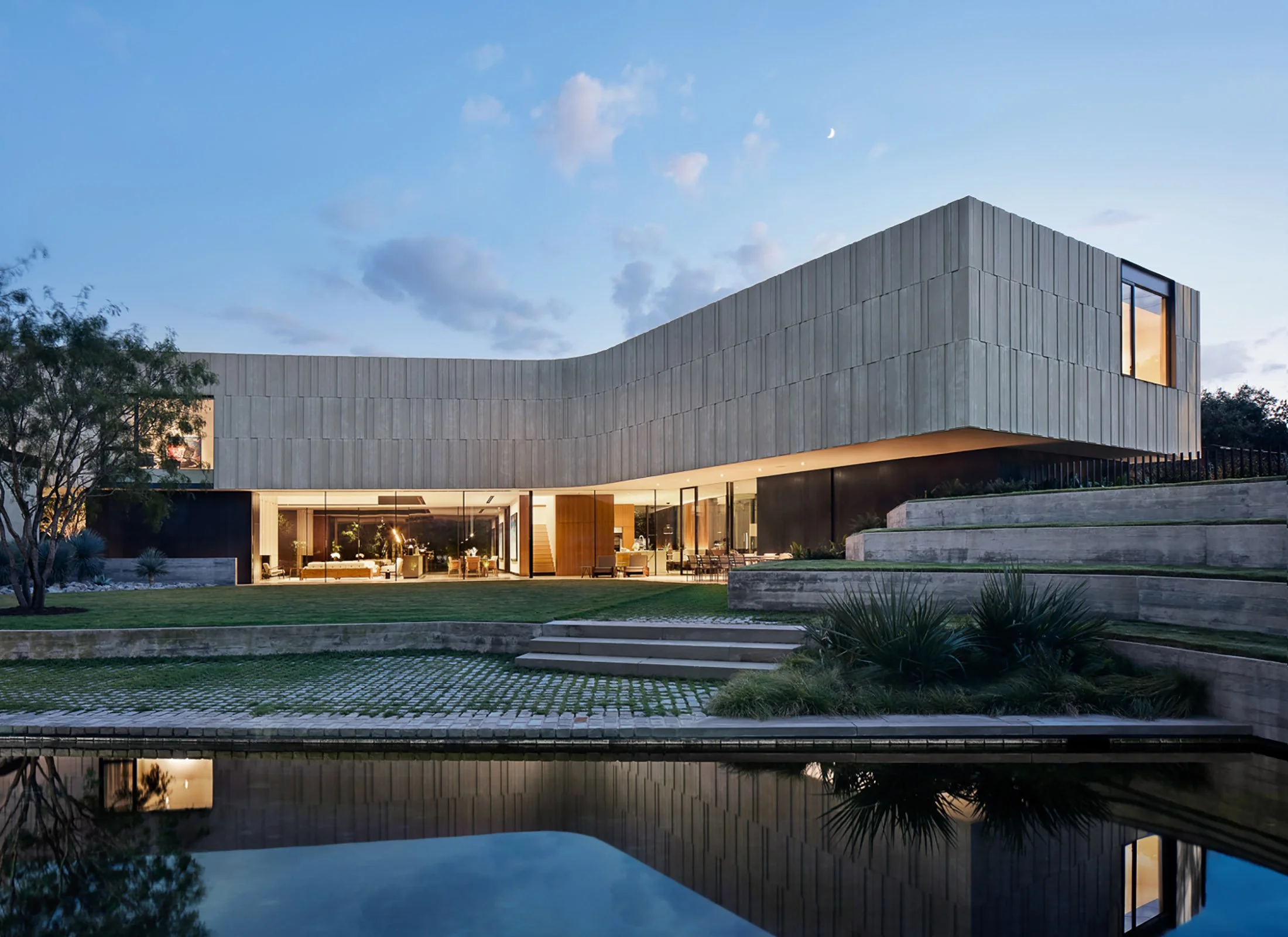
The Highland Park Residence stands as a testament to architectural ingenuity, establishing an "extraordinary interior environment" on a property initially "devoid of significant natural features or mature trees" and closely flanked by neighboring structures. Its striking features include a "continuous stone bar [that] hovers precariously at the building line, bends to define a private courtyard, and dramatically cantilevers 35 feet at the entry". The interior boasts "surprising verticality" in the living room, with "curved glass panels and expansive retracting doors" that skillfully blur the boundary between inside and out.
Photography: Casey Dunn
The ambitious architectural elements, particularly the "dramatically cantilevers 35 feet" and the extensive use of "curved glass panels and expansive retracting doors," inherently pose significant challenges for maintaining thermal performance, managing solar heat gain, and ensuring structural integrity. For an architect who knows that execution will require precision, such features raise immediate questions about how they can be made comfortable, energy-efficient, and durable. This project is a prime example of how ambitious architectural forms necessitate sophisticated MEP and building science integration. Positive Energy's MEP engineering was paramount in addressing these complexities. This project involved precise HVAC system design to account for large glass surfaces, meticulous coordination of high-performance glazing, and sophisticated air sealing and insulation strategies to mitigate thermal bridging and prevent air leakage. These measures were crucial in ensuring consistent indoor comfort and energy efficiency within such an open and vertically dynamic space, transforming potential performance liabilities into architectural triumphs.
The Highland Park Residence has received numerous accolades, including the 2022 AIA Housing Awards, 2021 Residential Architect Design Awards, and 2020 Builder's Choice / Custom Homes Magazine Merit Award. It has been published in prestigious outlets such as YinjiSpace, Residential Design Magazine, and Interior Design Homes.
West Campus Residence
The West Campus Residence was thoughtfully designed by architect-owners seeking a more suitable space for their growing family. Their deep knowledge of the neighborhood allowed them to acquire and subdivide an "unusually wide lot" into two narrow parcels. The presence of mature Live Oaks, coupled with zoning setbacks and parking requirements, dictated a compact building footprint. The resulting home features a vertically clad wood volume housing four bedrooms above a more agile, open-plan ground floor wrapped in mill-finished steel panels, reflecting a commitment to "compact, efficient living" deeply attuned to its natural surroundings.

Photography: Casey Dunn
The "compact building footprint" and commitment to "efficient living" are direct architectural responses to specific site constraints and programmatic needs. These design choices inherently create a requirement for highly efficient and precisely controlled MEP systems to ensure comfort and optimal indoor air quality within a smaller, potentially more densely occupied volume. The vertical organization of spaces creates challenges for effective air distribution and maintaining consistent temperatures across different levels, especially considering the natural tendency for heat to rise. Positive Energy's role was critical in ensuring efficient HVAC zoning to address thermal stratification, providing proper ventilation for a compact space to maintain healthy indoor air quality, and detailing the building envelope to prevent moisture issues and thermal discomfort, particularly given the chosen material palette. This project clearly illustrates how site-driven architectural decisions directly influence the complexity and necessity of sophisticated MEP and building science solutions.
The West Campus Residence has been recognized with the 2023 AIA Small Project Awards, 2022 AIA National Housing Awards, and 2021 Residential Architect Design Awards. It was also featured in Dwell+.
Falcon Ledge Residence
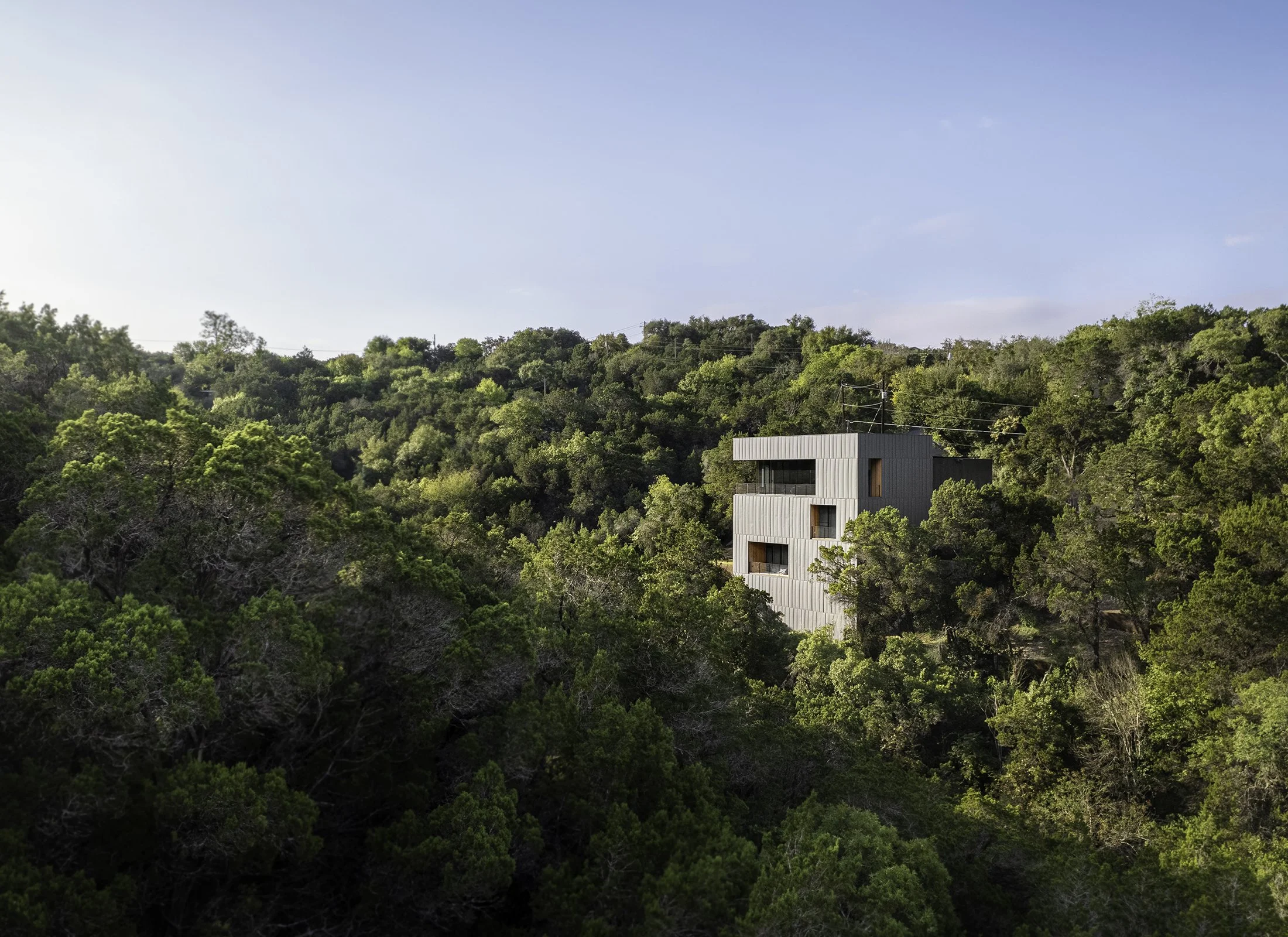
The Falcon Ledge Residence is a remarkable testament to overcoming an "impossible site" – a property that falls off "precipitously directly from the street’s curb". The innovative solution involved first erecting a "platform" adjacent to the street, which later became the garage and a bridge connecting to the main house. The home itself is uniquely organized "upside down," with the main living spaces on the top floor and private spaces below. This "unexpected tower" form was largely "determined by the logic of its construction and sequencing".
Photography: Casey Dunn
The Falcon Ledge Residence is a beautiful example of how deep building science knowledge and innovative MEP engineering enable architectural breakthroughs in the face of extreme site limitations. The "upside-down" organization and the exposed "tower" form presented unconventional challenges for HVAC design. Managing heat gain and loss at the highly exposed upper living levels, while ensuring efficient and consistent air distribution throughout the entire vertical structure, required a customized and thoughtful approach. Positive Energy's expertise was vital in designing systems that effectively condition such a tall, exposed structure, potentially incorporating strategies to mitigate stack effect and ensure thermal comfort across multiple, uniquely arranged levels. Our approach to HVAC design was performance-driven with a sympathetic understanding of the building envelope, essential to make an unconventional structure not just habitable, but comfortable, and durable.
This innovative project has garnered significant recognition, including the 2025 AIA Austin Design Awards, 2023 Residential Architect Design Awards, 2023 Texas Society of Architecture Design Awards, and 2023 American Architecture Awards. It has been featured in prominent publications such as Dezeen, Texas Architect, and Architectural Record.
Constant Springs Residence
Set on a typical suburban lot that backs unexpectedly onto a wooded escarpment and creek, the Constant Springs Residence masterfully balances urban proximity with the sense of an isolated retreat. Designed for a family of four, it features a one-story structure oriented horizontally beneath the canopy of preserved mature Live Oaks. A defining characteristic is the "continuous Western Red Cedar ceiling that extends inside and out, complemented by strategic roof openings that embrace both the trees and sky themselves. The home utilizes a restrained material palette of cedar, marble, limestone, white oak, and steel, along with custom glazing, to intimately connect interior spaces with both a front courtyard and the dramatic natural landscape.

Photography: Casey Dunn
The architectural aspiration for a continuous indoor-outdoor ceiling and large, framing openings created building science complexities, particularly concerning moisture management and thermal bridging. Positive Energy's MEP expertise was critical in designing systems that precisely manage humidity levels and ensuring consistent thermal comfort. This involved advanced humidity control systems and careful consideration of thermal bridges to maintain the integrity of the building envelope. Positive Energy's MEP solutions for this project helped enable bold aesthetic choices to be realized without compromising the building's long-term performance, durability, or occupant health. It demonstrates that the highly desirable architectural feature of seamless indoor-outdoor living is only truly successful and sustainable when underpinned by robust building science to expertly manage the environmental conditions.
This residence has earned accolades such as the 2022 Residential Design Architecture Awards, 2018 Texas Society of Architects Design Awards, 2018 IIDA Excellence in Design Award, 2018 AIA Austin Design Awards, and 2017 Architecture MasterPrize. It has been featured in Dwell and Austin Monthly.
Tumbleweed Residence
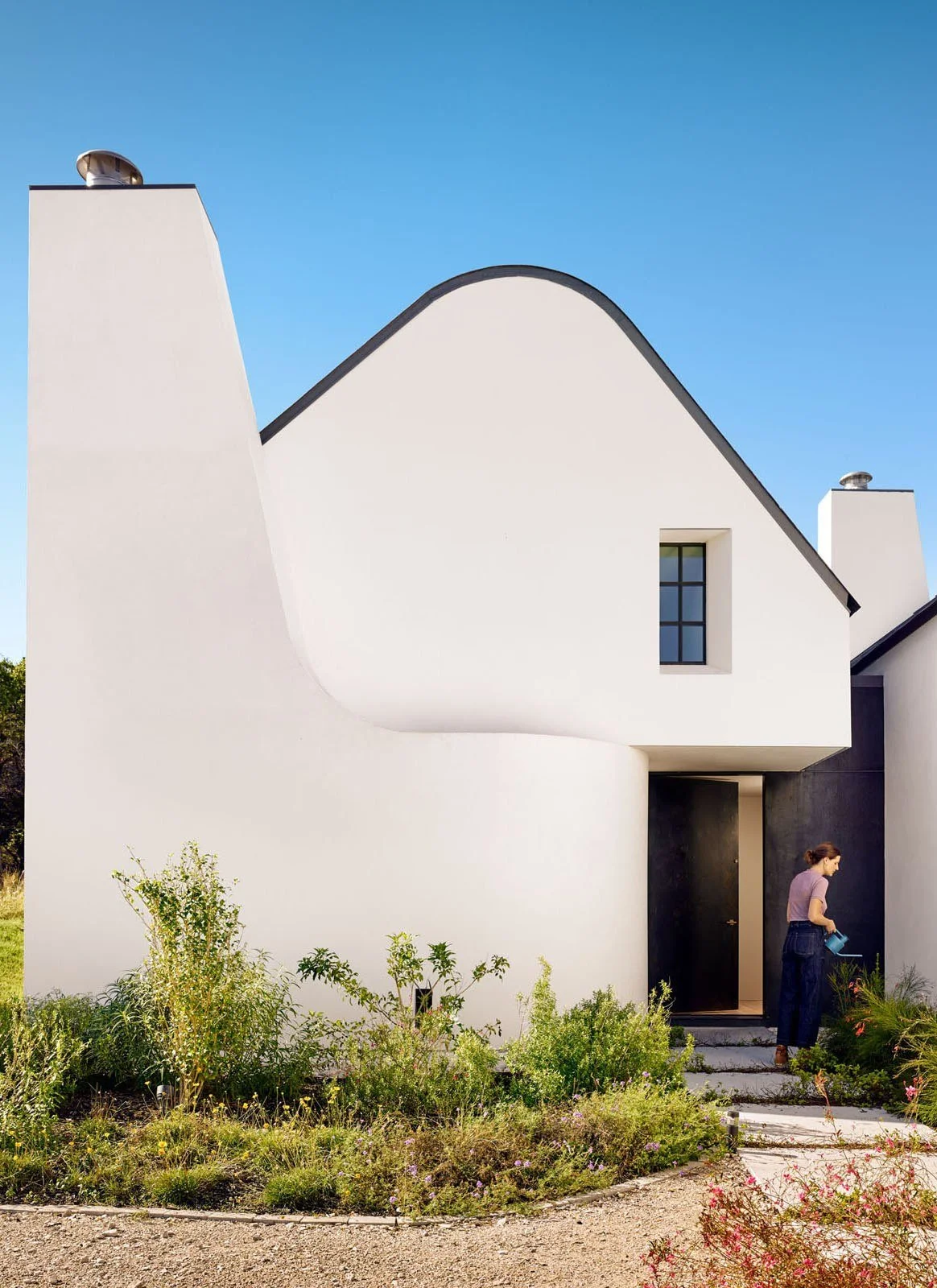
The Tumbleweed Residence embodies the owners' desire to embrace their surroundings through "simple materials -steel, concrete block, wood-" and a deep "celebration of craft and evidence of the hand in the construction". The design comprises "three volumes assembled to create a composition integral with the landscape," abstracted with "clean, white stucco, adopting curves to ease the edges of a sharper modernism".1 This abstraction of the stucco volumes intentionally contrasts with the "tactile, bold materials" that define the interior, where meticulous craftsmanship is evident in details like custom steel window welds and hand-turned walnut bar stools.
Photography: Casey Dunn
The project's explicit focus on "simple materials" and a "celebration of craft" might, at first glance, suggest a less technically complex building. However, for these seemingly straightforward materials to perform optimally and for the building to achieve long-term durability and occupant comfort, the underlying building science and MEP integration must be even more rigorous and precise. Exposed materials often mean less tolerance for error in the hidden layers of the wall assembly. Positive Energy’s work supports aesthetically driven material choices such that they can be seamlessly integrated into a high-performance building envelope, preventing thermal bridging and ensuring airtightness, so that the thermal loads are reduced. This project highlights a crucial fact that even a "simple" aesthetic requires sophisticated technical integration to ensure the building's performance and resilience.
This project received the 2018 Texas Society of Architects Design Award and was published in Texas Architect.
Tarrytown Residence
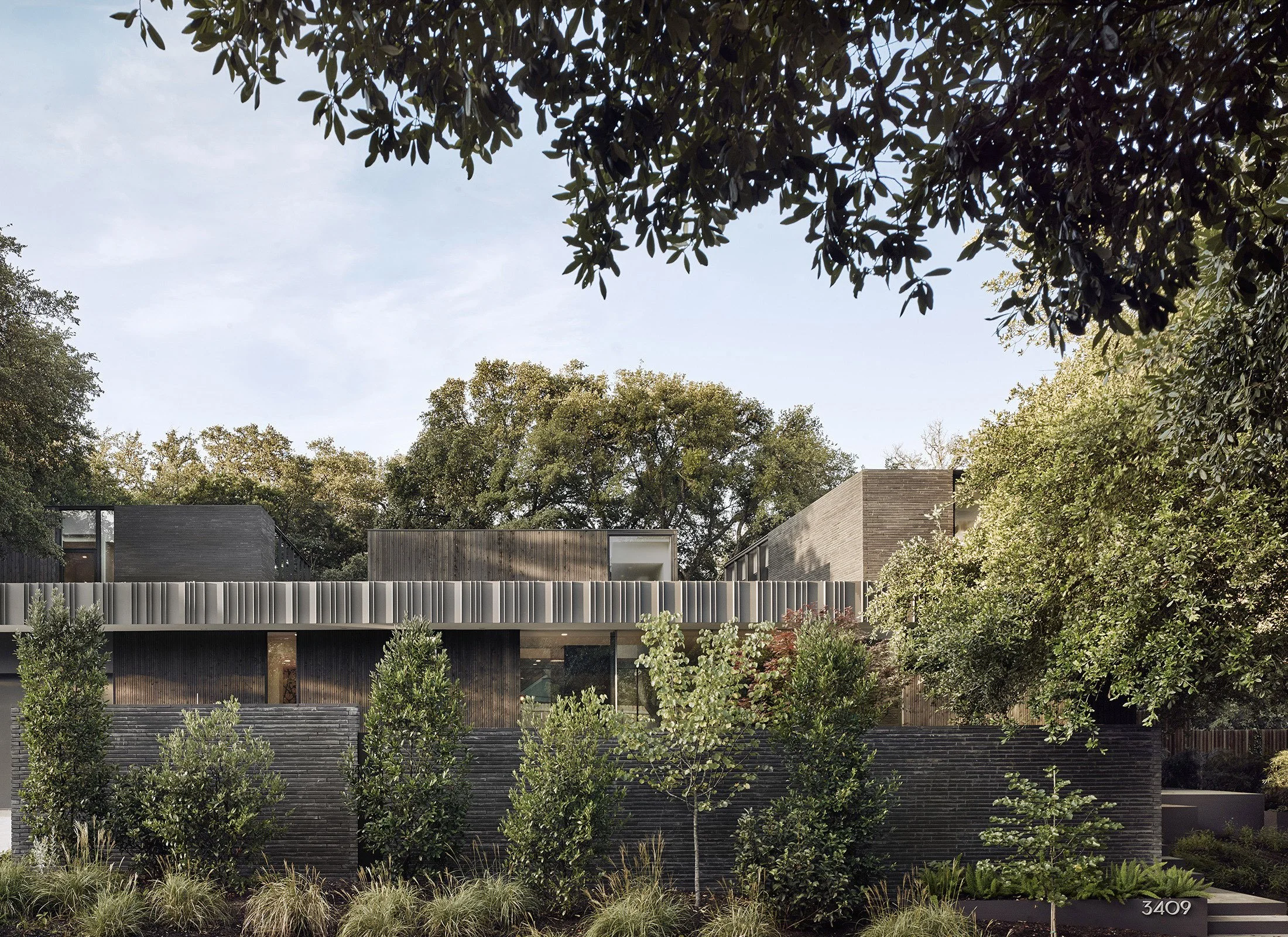
The Tarrytown Residence is designed to "unfold around the articulated, private landscape at its center". Its interiors "open fully to the outdoors beneath a continuous ceiling plane, delicately held in place by expansive, custom site-glazed window walls". The composition is anchored by "two abstract volumes—clad in elongated black brick and black-stained cedar", which serve to shield the home and provide a defense against future neighboring development. The interior showcases a rich contrast between dark masonry and finely crafted millwork, raw steel, and a vibrant palette of fabric, wallpaper, and tile. The architecture masterfully balances "intimacy and openness" throughout its carefully choreographed spaces.
Photography: Casey Dunn
This project strongly reinforces a recurring theme in Alterstudio's work: the architectural ambition to create seamless and beautiful indoor-outdoor connections through glass and continuous ceiling planes. The "expansive, custom site-glazed window walls" are a signature of modern design but inherently pose challenges for energy performance and occupant comfort. Similar to the Constant Springs Residence, these elements demand meticulous attention to thermal performance, air sealing, and condensation prevention. The use of dark exterior materials like "black brick and black-stained cedar" can also increase solar heat absorption, potentially leading to higher cooling loads. Positive Energy's MEP expertise was crucial in designing HVAC systems capable of carefully and efficiently managing these substantial thermal loads. This project underscores the critical necessity of a strong MEP engineering firm to ensure that architectural aspirations do not lead to uncomfortable, inefficient, or unhealthy spaces.
This project has received numerous prestigious awards, including the 2023 Texas Society of Architects Design Awards, 2022 Residential Architecture Design Awards, 2020 Builder's Choice / Custom Homes Magazine Grand Award, 2020 Architecture Masterprize Honorable Mention, 2019 AIA Austin Design Awards, and 2019 Society of Registered Architects National Design Awards.1 It has been published in Architectural Record and Arch Daily.
Elevating Architecture Through Collaboration
The long-standing collaboration between Alterstudio Architects and Positive Energy serves as a compelling testament to the fact that truly exceptional architecture, particularly in the custom residential sector, is increasingly a product of deep, integrated design. Positive Energy's specialized expertise in MEP engineering and building science has not merely supported, but fundamentally enabled Alterstudio's ability to produce award-winning, distinctive designs, consistently pushing the boundaries of what is aesthetically and functionally possible within Austin's architectural landscape.
This partnership highlights a critical paradigm shift in architectural practice: building science is not an afterthought or a reactive fix, but a foundational element that must be integrated and considered from the earliest conceptual design phases. A meticulously designed building envelope, acting as the building's protective skin, and sophisticated MEP systems are absolutely essential for achieving long-term durability, optimal indoor air quality, superior thermal comfort, and exemplary energy efficiency in modern residential projects.8 The profound success and recognition garnered by Alterstudio and Positive Energy's projects strongly suggest that the traditional, linear design process—where architects design and engineers then add systems—is increasingly insufficient for creating high-performance, award-winning residential architecture. The collaboration showcased throughout this report points to a necessary paradigm shift towards a concurrent, integrated design process.
This integrated approach unlocks greater creative freedom for architects, allowing them to pursue ambitious designs with confidence, knowing that the technical complexities will be expertly managed. It ensures that innovative architectural forms are not only beautiful but also perform optimally, providing comfortable, healthy, and durable environments for occupants. The consistent delivery of exceptional occupant experiences that genuinely allow the human spirit to soar is the ultimate outcome of such a partnership. Architects are encouraged to actively seek out MEP and building science partners who not only share their design vision but can also provide the "next level of resolution" for their projects, transforming challenges into opportunities for architectural excellence.

The Campsite at Shield Ranch
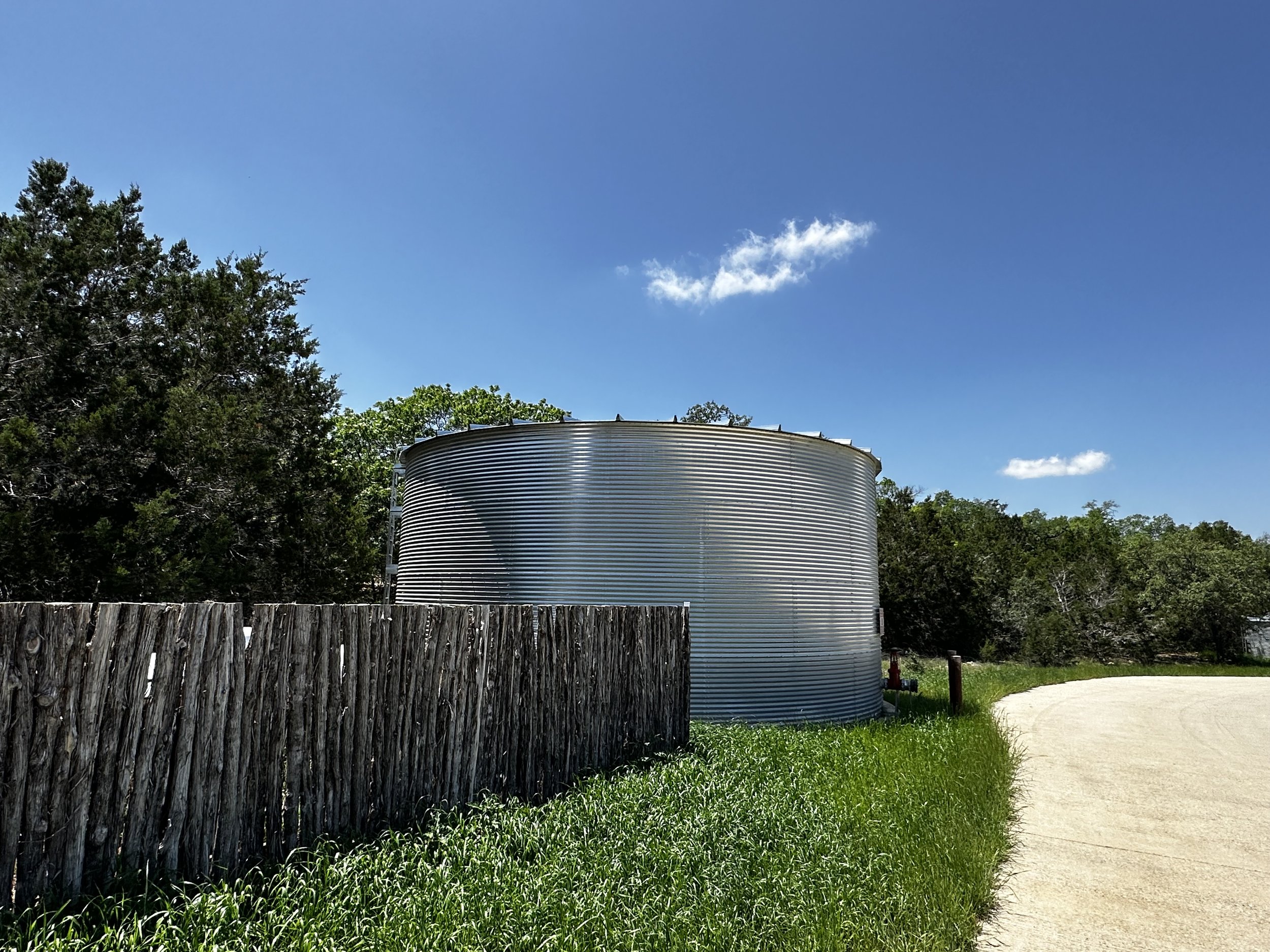
The Campsite at Shield Ranch was designed by our friends at Andersson / Wise. It is a 100% off-grid community designed to engage and celebrate the natural context of the ecologically diverse 6800-acre hill country sanctuary where it sits. The camp features an open-air pavilion, screened shelters, and miles of hiking trails just 22 miles from downtown Austin. Positive Energy was hired to perform MEP engineering, solar design and engineering, and Resilient Systems consulting. The Resilient Systems we master planned for the program include a 64kW architecturally integrated solar array, a 200kWh (100kW peak power capacity) backup battery array, a 60kW emergency propane genset, and we consulted with another rainwater system engineer a couple of 60k gallon rainwater collection tanks for occupancy use with TECQ compliant filtration for public consumption (as well as necessary rainwater storage for fire suppression).


By Positive Energy staff. Photos by Leonid Furmansky, M. Walker, & The Build Show Productions.
The Campsite at Shield Ranch stands as a pioneering example of fully off-grid, sustainable development, nestled within a 6,400-acre protected wildland outside Austin, TX. It serves not only as a nature immersion camp but also as a living laboratory for conservation and a blueprint for resilient infrastructure in a rapidly urbanizing region. The facility achieves 100% self-sufficiency through an integrated microgrid (solar PV, battery energy storage, minimal generator backup for life-safety) and an advanced rainwater harvesting system that functions as a Texas Commission on Environmental Quality (TCEQ)-approved public water supply. Waste is managed via innovative evaporative toilets, representing a significant regulatory breakthrough. The Campsite's commitment to low environmental impact is underscored by its SITES Gold certification, extensive site protection zones, and design principles that prioritize minimal disturbance and integration with the natural landscape. As the designated M/P On-Site Power Engineer, Positive Energy played a critical role in the design and integration of the Campsite's complex energy and mechanical systems, contributing their expertise in building science and human-centered design to ensure the project's robust off-grid functionality and long-term resilience.

A Vision for Sustainable Immersion
The Campsite at Shield Ranch is strategically located approximately 22 miles west of downtown Austin, Texas, within the expansive 6,600-acre Shield Ranch.[1] This vast expanse is recognized as a nationally designated historic district and a protected wildland, playing a crucial role in the ecological health of the Barton Creek watershed. A remarkable 98% of the ranch is permanently protected through a series of conservation easements held by The Nature Conservancy and the City of Austin, a profound commitment to preserving this natural heritage.[2]
The fundamental purpose of The Campsite extends beyond providing recreational opportunities. It serves as the new home for Camp El Ranchito, a scholarship-based nature overnight camp, offering immersive experiences for youth and various community groups.[6] At its core, the Campsite's mission is to educate, transform, and inspire visitors by demonstrating practical lessons in sustainability and conservation, effectively functioning as a living laboratory for these principles.[1]
A defining characteristic of The Campsite is its unwavering commitment to 100% off-grid operation for both energy and water, a testament to its ambitious sustainability objectives.[1]This dedication has earned it the prestigious SITES Gold certification under the Sustainable SITES Initiative rating system, which is an adherence to the highest standards for sustainable land development in the United States.[6] Further reinforcing its environmental ethos, the larger Shield Ranch has been designated an Urban Night Sky Place by DarkSky International and a "Quiet Place" by Quiet Parks International, highlighting a holistic approach to preserving natural environments and minimizing human impact.[4]
The realization of The Campsite was a collaborative endeavor involving a diverse team of experts. Key contributors included Andersson / Wise as Architects, Ten Eyck Landscape Architects, Hill & Wilkinson General Contractors, Benz Resource Group as Project Manager, Regenerative Environmental Design as Landscape Sustainability & SITES Consultant, and Asterisk* for Signage and Wayfinding.[6] Positive Energy served as the M/P and On-Site Power Engineer.

The integration of conservation and education at The Campsite is a profound aspect of its design and operation. The extensive conservation efforts of Shield Ranch, with nearly all its vast acreage protected by easements and its vital role as the "lungs of Barton Creek" [2], are directly mirrored and amplified by the Campsite's explicit function as a learning laboratory.[1] The Campsite's design actively involves campers in conservation through features like timed rainwater showers and monitored energy and water usage.[7] This approach means the physical infrastructure of the Campsite is not merely a sustainable building; it is an active pedagogical instrument. It demonstrates that living in harmony with nature is achievable and empowering, thereby enhancing the long-term impact of the ranch beyond mere preservation. This fosters a new generation of environmental stewards who have directly experienced and participated in sustainable practices.
Off-Grid Energy Systems
The Campsite at Shield Ranch operates entirely independently of the conventional power grid, relying on a meticulously designed and robust microgrid system to ensure self-sufficiency and resilience. This sophisticated microgrid is comprised of three primary components: a Battery Energy Storage System (BESS), a Solar Photovoltaic (PV) system, and a Propane Generator for backup power.[1] This integrated architecture guarantees a continuous and reliable power supply, essential for the Campsite's operations in its remote setting.[1]
Solar Photovoltaic (PV) System
The Campsite's energy generation is exclusively sourced from solar panels, establishing solar power as its primary energy backbone.[6] The system boasts a substantial capacity, featuring a 46.4 kW AC Solar System.[1] This capacity is achieved through the installation of 198 solar panels, designed to provide 100% of the Campsite's off-grid power requirements.[17] A notable aspect of the design is the thoughtful integration of these panels directly into the architecture, with the sleeping shelters incorporating solar-paneled roofs.[18] This approach exemplifies a seamless blend of renewable energy technology with the aesthetic and functional coherence of the structures, moving beyond simple rooftop installations to a more integrated design expression.

Battery Energy Storage System (BESS)
Central to the Campsite's microgrid is the Battery Energy Storage System, provided by Current Energy Storage, and explicitly recognized as the "backbone of the microgrid power system".[1] Its dependability is paramount, especially given the complete absence of grid power.[1] The BESS is specified as an MG 100 kW 276 kWh unit.[1] This system performs critical functions by supplying power to the main facility, which includes the dining hall and learning center. Furthermore, it energizes essential site infrastructure such as lighting, fire suppression systems, refrigeration units, and the crucial pumps required for rainwater collection and sanitation.[1] This comprehensive power delivery ensures that not only comfort amenities but also vital health and safety systems remain operational without interruption.
Propane Generator Backup
A 60 kW Propane Generator is incorporated into the system to serve as a backup power source, particularly for life-safety issues in the event that the battery system is not sufficiently charged.[1] However, the generator's operational footprint is remarkably small. Thanks to the robust and efficient design of the primary solar and battery systems, the generator's annual run time is typically less than 75 hours.[1] This minimal usage significantly contributes to Shield Ranch's overarching sustainable goals by drastically reducing fossil fuel consumption and, consequently, lowering annual fuel costs.[1] This approach was intentional and demonstrates a deep commitment to minimizing the carbon footprint of the facility.
The design of the microgrid system at Shield Ranch, characterized by its solar PV, Battery Energy Storage System (BESS), and propane generator, demonstrates a high degree of energy resilience. The fact that the propane generator operates for less than 75 hours per year means that the solar and battery components had to be exceptionally efficient and precisely sized to meet the vast majority of the Campsite's energy demands.[1] This setup is not merely about being off-grid; it is about being reliably off-grid with minimal reliance on fossil fuels. The robust design, evidenced by the low generator run-time, points to sophisticated load management and precise sizing of the solar and battery systems. This ensures continuous operation, even during extended periods of low solar insolation or peak demand, which is a critical design achievement for essential infrastructure such as water pumps and fire suppression systems that cannot fail in an off-grid environment.[1]
While the initial capital expenditure for a comprehensive off-grid system, including a substantial solar PV system (46.4 kW AC, 198 panels) and a large Battery Energy Storage System (MG 100 kW 276 kWh), is considerable [1], the direct operational outcome of a propane generator run-time of less than 75 hours per year signifies a significant long-term economic and environmental return.[1] The minimal generator usage directly translates into dramatically reduced annual fuel costs and lower maintenance requirements for the generator. Environmentally, this results in a substantial reduction in greenhouse gas emissions compared to a system more reliant on fossil fuel backup. This provides a compelling business case for similar off-grid, sustainable developments: while the upfront investment may be higher, the operational savings and profound environmental benefits can justify and even accelerate the return on investment over the project's lifespan, particularly in remote locations where grid extension costs would be prohibitive.
MEP Engineering Innovations for Self-Sufficiency
The Campsite at Shield Ranch showcases pioneering Mechanical, Electrical, and Plumbing (MEP) engineering solutions that are fundamental to its complete self-sufficiency and minimal environmental footprint. These innovations extend beyond mere functionality, setting new benchmarks for sustainable infrastructure.
Electrical Systems Integration
The electrical systems at The Campsite are meticulously engineered to achieve seamless integration among the solar PV array, the battery energy storage system, and the propane generator. This sophisticated integration is paramount for maintaining a stable and reliable power supply in a 100% off-grid environment.[1] As the M/P and On-Site Power Engineer, Positive Energy played a direct and instrumental role in the design and coordination of these complex electrical interconnections and control mechanisms. A critical aspect of this design is the strategic prioritization of electrical loads, where the Battery Energy Storage System (BESS) is configured to power essential functions such as fire suppression, refrigeration, and the vital water and sanitation pumps.[1] This demonstrates a robust load management strategy, which is indispensable for ensuring reliability in an off-grid setting where continuous operation of critical infrastructure is non-negotiable.
Advanced Water Management
The Campsite achieves 100% of its water needs through an advanced rainwater harvesting system.[9] This system boasts a substantial storage capacity, incorporating three 63,400-gallon cisterns, accumulating a total of 190,200 gallons.[17] This capacity is notably higher than some earlier reported figures, reflecting the comprehensive scale of the installed system.[9] A groundbreaking achievement of this project is that its rainwater harvesting system is the first Texas Commission on Environmental Quality (TCEQ)-approved public water system that relies entirely on rainwater to serve its guests.[6] This accomplishment establishes a significant regulatory precedent, paving the way for similar sustainable developments across Texas.[9] Beyond collection, the Campsite actively champions water conservation through operational measures. Rainwater showers are equipped with timers, and energy and water usage are diligently monitored and shared with campers, guests, and staff. This practice serves to emphasize the importance of conservation and integrates user behavior directly into the sustainability model.[7]

Sustainable Wastewater Solutions
The Campsite implements innovative wastewater management through the use of evaporative toilets. These systems operate by collecting waste underground and stabilizing it with airflow facilitated by a sun-heated chimney, thereby eliminating the need for conventional plumbing.[17] This represents another significant regulatory milestone, as it is the first onsite septic facility permitted by Travis County and TCEQ in Texas to utilize evaporative toilets.[6] All on-site wastewater is further processed through separate septic fields, ensuring comprehensive and environmentally sound waste management.[17] Similar to the water system, this breakthrough sets a new standard for off-grid wastewater solutions.
Passive and Hybrid Climate Control
The design of The Campsite incorporates sophisticated passive and hybrid climate control strategies to ensure occupant comfort while minimizing energy consumption. The 11 screened sleeping shelters, constructed as prefabricated kits, were assembled on-site with minimal environmental disturbance.[7] These structures are strategically perched above grade to prevent disruption of natural water patterns and the sensitive soils supporting the native woodland plant community.[7] Designed to be cooler and more durable than traditional tents, they facilitate natural airflow.[8] For enhanced comfort and protection, especially during adverse weather, the shelters are equipped with solar-powered ceiling fans and movable wooden panels that can be closed.[8] The open-air pavilion further exemplifies this approach, featuring large openings and fans for effective cooling during warmer months. For cooler periods, it integrates sliding wall panels, a fireplace, and a wood-burning stove.[6] This thoughtful blend of passive and active climate control elements significantly reduces energy demand while maintaining a comfortable environment across seasons, reflecting a design ethos that is "subservient to the environment".[18]
The Campsite's rainwater harvesting system is the first TCEQ-approved public water system that relies entirely on rainwater [6], and its septic facility using evaporative toilets is the first onsite septic facility permitted by Travis County and TCEQ in the state of Texas [6], a process that transcended mere compliance with existing regulations. This project actively engaged with regulatory bodies to establish precedents and create new permitting pathways for innovative sustainable technologies. This makes the Campsite not just a successful off-grid facility, but a policy influencer and a blueprint for regulatory change. Its success provides a practical guide and a validated model for future projects in Texas and potentially beyond, reducing the regulatory hurdles for the adoption of similar advanced sustainable solutions. This broader implication for policy and market transformation represents a significant outcome of the project.
The Campsite's design incorporates specific features such as timed rainwater showers and the monitoring and sharing of energy and water usage data with campers and staff.[7] This is an active measure to involve the users in resource conservation. This approach indicates that the Campsite's sustainability strategy extends beyond purely technological solutions to actively incorporate and shape user behavior. By making resource consumption visible and encouraging conscious use, the project fosters a culture of conservation and environmental awareness among its occupants. This human-centered design approach that Positive Energy champions [19], amplifies the environmental benefits of the infrastructure and reinforces the educational mission of the Campsite, creating a more impactful and enduring model of sustainability that relies on both technological innovation and human engagement.

Table 1: Key MEP System Features and Certifications
Low Environmental Impact Design Principles and Conservation
The Campsite at Shield Ranch exemplifies a profound commitment to low environmental impact, integrating comprehensive design principles and leveraging the broader conservation efforts of its surrounding landscape.
SITES Gold Certification
A cornerstone of the Campsite's environmental credentials is its achievement of SITES Gold certification.[6] This rigorous standard for sustainable land development validates the project's adherence to a holistic set of sustainability principles, encompassing every stage from initial site design and construction to ongoing operations. This certification signifies a commitment to environmental performance that extends well beyond the structures themselves, embracing the entire site ecosystem.
Minimal Site Disturbance and Ecological Protection
The project demonstrates an exceptional dedication to ecological preservation through meticulous planning and execution. A significant 92% of the 14-acre project area was designated as Vegetation and Soil Protection Zones.[7] This proactive measure was crucial in minimizing the construction impact on sensitive ecosystems and preserving existing biodiversity. Furthermore, topsoil from building areas was carefully harvested and stored for reuse on-site.[7] This practice not only reduced the environmental impact associated with external transportation but also mitigated the risk of introducing invasive species from imported soil. Crucially, the salvaged topsoil contained a valuable seed bank of native species, directly aiding in the ecological restoration of disturbed areas.[7] Following construction, these disturbed areas were meticulously restored with diverse native plant species, ensuring they blend seamlessly into the surrounding landscape and actively support local ecosystems.[7]
The architectural approach, characterized by "light-on-the-land" structures, further minimizes physical footprint. The sleeping shelters were designed as prefabricated kits, allowing for assembly in the field with minimal site disturbance.7 These structures are strategically perched above grade, a design choice specifically implemented to avoid disturbing natural water patterns and the sensitive soils that support the native woodland plant community.[7] The selection of materials also reflects this commitment: a galvanized steel superstructure for the cabins, fabricated off-site, eliminates the need for painting for decades, thereby reducing long-term environmental impact and maintenance.18 The use of locally-sourced cedar further reduced embodied energy and transportation impacts.[20]
Broader Conservation Context of Shield Ranch
The Campsite is not an isolated sustainable building project; it is an integral part of the larger Shield Ranch, a 6,600-acre protected wildland.[1] Approximately 98% of this vast land is permanently protected by three conservation easements held by The Nature Conservancy and the City of Austin.[2] These easements legally prohibit large-scale commercial development, serving as a critical safeguard for water quality, hydrologic function, and biodiversity within the region.[2]
Shield Ranch encompasses a significant portion of the Barton Creek watershed, including 10% of its total area and over 6 miles of the creek itself.[2] This makes the ranch's conservation efforts profoundly vital for maintaining Austin's water quality and protecting the Edwards Aquifer recharge zone. Consequently, the ranch is famously referred to by conservationists as the "lungs of Barton Creek".[2]
The ranch's commitment to minimizing environmental impact extends beyond land and water to include light and sound pollution. It has been designated an Urban Night Sky Place by DarkSky International, with all lighting designed to be dark-sky friendly.[5] Additionally, it is recognized as a "Quiet Place" by Quiet Parks International [4], a holistic approach to preserving natural sensory environments and critical wildlife habitats.
The Campsite, a 14-acre project [7], is situated within the much larger Shield Ranch.[1] The ranch has a long history of conservation, with 98% of its land protected by easements [2] and a critical role in the Barton Creek watershed. The Campsite's specific design principles—SITES Gold certification, 92% Vegetation and Soil Protection Zones, on-site topsoil reuse, native plant restoration, and elevated, prefabricated structures [7]—directly mirror and operationalize the broader land stewardship goals of the entire ranch. This demonstrates that the Campsite is not an isolated sustainable building project but rather a microcosm and a direct physical expression of the Shield Ranch's multi-generational, deep-seated commitment to conservation. Its design and operation reinforce and exemplify the overarching land ethic of the ranch, making it a powerful, tangible demonstration of how human activity can be integrated with large-scale ecological protection. This deep alignment creates a real model for sustainability [9], showcasing how architectural interventions can serve as extensions of broader conservation strategies.
Shield Ranch is located in a region identified as a "danger zone" for climate change impacts, characterized by extreme weather events such as droughts and large storms.[16] The Campsite's design incorporates specific features that directly address these anticipated challenges. These include movable panels on shelters and the pavilion for storm protection and climate adaptation 6, a robust steel superstructure for enhanced durability [18], and a fully off-grid system for both energy and water.[6] These design choices are not merely about reducing the Campsite's current environmental footprint but also about building inherent resilience against anticipated future climate volatility. Its self-sufficiency in energy and water provides independence from potentially vulnerable municipal grids and water supplies during extreme weather events. Coupled with robust structural design and adaptive architectural elements, this positions the Campsite as a forward-thinking model for climate-adaptive architecture and infrastructure, particularly relevant for regions facing increasing environmental volatility and resource scarcity. This foresight makes the project even more impactful as a blueprint for future resilient development.
Positive Energy's Contributions
Positive Energy's involvement was pivotal in the successful realization of The Campsite at Shield Ranch's ambitious off-grid and low-impact objectives. Their specialized expertise was instrumental in translating a visionary concept into a functional, resilient, and highly efficient reality.
Role as M/P On-Site Power Engineer
Positive Energy was the "M/P On-Site Power Engineer" for The Campsite at Shield Ranch project.[15] Our primary responsibility for the mechanical (M), plumbing (P), and on-site power systems, which are foundational to the Campsite's complete off-grid functionality and minimal environmental impact. This role was distinct from other consultants on the project, such as the general Electrical Engineer (EEA Consulting Engineering) and the Water Specialist (Venhuizen Water Works).[15] We had a specialized focus on the intricate integration and performance of the core MEP systems that enable the Campsite's self-sufficiency, particularly where they interface with on-site power generation and distribution.
Application of Building Science and Human-Centered Design
Positive Energy is an MEP engineering firm specializing in high-end residential architecture, emphasizing building science and human-centered design to engineer healthy, comfortable, and resilient spaces. This core philosophy aligned directly with the Campsite's ambitious objectives:
Building Science: Our expertise in building science was critical in optimizing the performance of the solar PV system, accurately sizing the battery array, seamlessly integrating the generator, and designing the overall electrical load management for a 100% off-grid operation. This includes ensuring the energy efficiency of mechanical loads such as fans in the pavilion and shelters [13], ensuring that the systems were not only functional but also optimized for minimal energy draw in a self-sufficient context.
Human-Centered Design: This approach is clearly reflected in the Campsite's design elements that enhance occupant experience and reinforce its educational mission. Examples include the provision of solar-powered ceiling fans in shelters for occupant comfort [8], the integration of movable panels for adaptability to varying weather conditions [6], and the educational component of monitoring and sharing energy and water usage data with campers.[7] Positive Energy's involvement ensured that the technical systems were not only robust but also contributed directly to an enhanced user experience and reinforced the educational mission of the Campsite.
Consulting on Energy and MEP Systems
Given our role as "M/P On-Site Power Engineer" 15, Positive Energy's contributions encompassed comprehensive consultation and engineering oversight across several key areas:
Energy Systems Consulting: This involved detailed load calculations, precise system sizing, and intricate integration strategies for the 46.4 kW AC Solar System, the MG 100 kW 276 kWh Battery Energy Storage System, and the 60 kW Propane Generator.1 Our expertise ensured these disparate components work harmoniously as a cohesive, resilient microgrid, prioritizing renewable energy use and minimizing reliance on fossil fuels.
Solar Design: Positive Energy provided consultation on the optimal placement, orientation, and angling of the 198 solar panels to maximize energy harvesting throughout the year.[17] This considered the architectural design, such as the solar-paneled roofs on shelters [18], and site-specific conditions to ensure peak performance.
Battery Array Design and Integration: We specified the battery chemistry, capacity (276 kWh), and the sophisticated control systems necessary for efficient charging, discharging, and reliable power distribution to critical loads like site lighting, fire suppression, refrigeration, and water pumps.[1] This ensures continuous operation even during periods of low solar generation or high demand.
Generator Integration: Consulting on the generator's precise role as a minimal backup system was crucial. This included ensuring seamless and automated transition when needed and optimizing its operation to contribute to the remarkably low annual run-time of less than 75 hours.[1] This design choice significantly minimized fossil fuel consumption and operating costs.
MEP Systems Integration (Mechanical & Plumbing): While other consultants handled specific aspects of water and electrical engineering, Positive Energy's expertise in the mechanical and plumbing aspects that directly interface with the on-site power generation and distribution and rainwater storage systems. We ensured that the power systems adequately support the water pumps for the advanced rainwater harvesting system [1] and that the overall energy consumption of mechanical systems (such as fans in the pavilion and shelters) is optimized for the off-grid environment.[13] Our focus on resilient spaces [19] came from a holistic approach to MEP that directly supports the overall off-grid goal and occupant comfort.
The design team for Shield Ranch Campsite included multiple engineering firms that we collaborated with: EEA Consulting Engineering as "Electrical Engineer," and Venhuizen Water Works as "Water Specialist". Positive Energy's approach emphasizes building science and human-centered design to engineer healthy, comfortable, and resilient spaces , bringing a broader, more holistic approach than a single component design. Positive Energy's role extended beyond merely designing individual mechanical or plumbing components. We acted as an integrator and coordinator for the complex interplay between the mechanical, plumbing, and on-site power systems. Our building science approach ensured that these disparate systems were optimized to work together efficiently within the unique off-grid context, contributing to the overall resilience, energy efficiency, and low environmental impact of the Campsite. Holistic performance and synergy of these interconnected systems are vital for a truly self-sufficient facility.
The Campsite's status as a 100% off-grid facility [6] that achieved significant regulatory breakthroughs for its rainwater harvesting public water system and evaporative toilets 6, coupled with its extremely efficient microgrid operation evidenced by the generator's minimal run-time [1], underscores the critical need for highly specialized MEP engineering expertise. Traditional commercial MEP often might lack the specific expertise required for seamlessly integrating solar, battery, and generator systems for complete grid independence, or for navigating the unique regulatory hurdles associated with innovative water and wastewater solutions in an off-grid context. We are proud of our involvement in the project's success in achieving such ambitious levels of self-sufficiency, regulatory compliance, and operational efficiency, demonstrating the premium value of niche expertise in advanced sustainable development.
A Blueprint for Future Sustainable Development
The Campsite at Shield Ranch stands as a remarkable achievement in sustainable design and engineering, offering a profound model for future developments. Its 100% off-grid operation, powered by an efficient solar-battery microgrid with minimal reliance on a backup generator, combined with innovative rainwater harvesting and advanced wastewater treatment, positions it as a leading example of environmental stewardship. The SITES Gold certification and the pioneering regulatory breakthroughs achieved in Texas for its water and wastewater systems underscore its status as a trailblazer, demonstrating that complete off-grid living can be both functional and compliant with stringent environmental standards.
The project's success is a testament to the power of integrated design and engineering. The meticulous collaboration between architects, landscape architects, general contractors, and specialized engineers, including Positive Energy, ensured that every system—from energy generation to water management and climate control—was meticulously planned and executed to achieve a holistic, low-impact, and resilient facility. The "light-on-the-land" philosophy and human-centered design principles are deeply embedded in its functionality and educational mission, proving that sustainability is a multi-faceted endeavor requiring interdisciplinary expertise and a coordinated approach.
The Campsite at Shield Ranch offers invaluable lessons and a practical blueprint for future sustainable developments, particularly those aiming for off-grid self-sufficiency. Its experience in navigating complex regulatory pathways for innovative water and waste systems, coupled with its demonstration of a highly efficient and reliable microgrid, provides a compelling case study for overcoming common barriers to sustainable infrastructure. It highlights that true sustainability requires not only technological innovation but also a deep commitment to ecological integration, proactive engagement with regulatory bodies, and a holistic, collaborative engineering approach that prioritizes long-term resilience and minimal environmental footprint. The project serves as an inspiration for creating spaces that educate, transform, and inspire a deeper connection with the natural world, even within a rapidly developing region.
Works cited
Shield Ranch - Current ESS, accessed May 27, 2025, https://www.currentess.com/our-work/shield-ranch/
Conservation easement between Shield Ranch and City of Austin ensures water quality protection including Barton Creek, accessed May 27, 2025, https://www.shieldranch.com/conservation-easement-between-shield-ranch-and-city-of-austin-ensures-water-quality-protection-including-barton-creek/
Barton Creek gets conservation protection with city of Austin, Shield Ranch agreement, accessed May 27, 2025, https://communityimpact.com/austin/lake-travis-westlake/government/2025/02/19/barton-creek-gets-conservation-protection-with-city-of-austin-shield-ranch-agreement/
Forever Wild: Shield Ranch | The Nature Conservancy, accessed May 27, 2025, https://www.nature.org/en-us/about-us/where-we-work/united-states/texas/stories-in-texas/shield-ranch/
Shield Ranch Barton Creek - DarkSky.org, accessed May 27, 2025, https://darksky.org/places/shield-ranch-barton-creek/
Shield Ranch Celebrates Grand Opening of New Sustainably ..., accessed May 27, 2025, https://www.shieldranch.com/shield-ranch-celebrates-grand-opening-for-the-campsite-at-shield-ranch/
The Campsite at Shield Ranch - SITES | Developing Sustainable Landscapes, accessed May 27, 2025, https://www.sustainablesites.org/node/8507
Register Early for the Creative Nature Retreat - Oct. 24-26, 2025 - Shield Ranch, accessed May 27, 2025, https://www.shieldranch.com/creative-nature-retreat-2025/
2023 Texas Rain Catcher Award - Baker Equestrian Center | Texas ..., accessed May 27, 2025, https://www.twdb.texas.gov/innovativewater/rainwater/raincatcher/2024/CampsiteShieldRanch.asp
Shield Ranch Campsite: Trailblazing Sustainability with Help from the Sky, accessed May 27, 2025, https://www.meadowscenter.txst.edu/research/one-water/shield-ranch.html
The Campsite at Shield Ranch - SITES | Developing Sustainable Landscapes, accessed May 27, 2025, https://sustainablesites.org/node/8507
The Campsite at Shield Ranch - Hill & Wilkinson, accessed May 27, 2025, https://hwgc.com/projects/the-campsite-at-shield-ranch
The Campsite at Shield Ranch, accessed May 27, 2025, https://www.shieldranch.com/campsite/
The Campsite at Shield Ranch - Asterisk* Design, accessed May 27, 2025, https://asteriskdesign.com/news/the-campsite-at-shield-ranch/
Campsite at Shield Ranch - Andersson / Wise, accessed May 27, 2025, https://www.anderssonwise.com/projects/shield-ranch
From Pixels to Stewardship: Advancing Conservation Through Digital Innovation | 2018 ASLA Professional Awards, accessed May 27, 2025, https://www.asla.org/2018awards/453745-From_Pixels_To_Stewardship.html
Campsite at Shield Ranch in Austin, Texas - Hill & Wilkinson, accessed May 27, 2025, https://hwgc.com/news/project-feature-shield-ranch
Groundbreaking sustainable campsite breaks ground at 6,400-acre Barton Creek ranch - CultureMap Austin, accessed May 27, 2025, https://austin.culturemap.com/news/travel/10-28-21-hill-country-ranch-sustainable-campsite/
Positive Energy | Building Science Focused MEP Engineering, accessed May 27, 2025, https://positiveenergy.pro/
Austin, October 31, 2024 - Agenda - Facades+, Premier Conference on High-Performance Building Enclosures., accessed May 27, 2025, https://facadesplus.com/austin/agenda/