Wildfires, SARS-CoV-2, & Portable Room Air Cleaners
If wildfires are to be a more frequent and intensive aspect of life in the US and future pandemics are not out of the question, how do homeowners start addressing their air quality to improve the safety their homes can provide? We’ve heard from many clients, friends, and family members in wildfire affected areas asking questions like this so we thought it was worthwhile to expand our air quality focus beyond just SARS-CoV-2 and provide some meaningful content that can serve wildfire sufferers as well. Enjoy some applied scientific guidance on the topic of portable room air cleaners (or PRACs).
by Kristof Irwin and M. Walker

Air quality is in the news these days. If you’ve been keeping up with the news, you’re likely not surprised (although likely as saddened as we are) to hear about the massive spread of wildfires across the American West these last months. These fires are, of course, more widespread than in recent memory and are occurring much later in conventional wildfire season. If there is any silver lining to these fires occurring contemporaneously with the SARS-CoV-2 pandemic, it’s that many large reach media outlets have been covering the topic of air quality and bringing the work of many hard working scientific researchers in the field.
However, the topic is not new in the air quality research circles. In fact, Lawrence Berkeley National Laboratories has noted the shift in wildfire intensity in their wildfire indoor air quality guidelines (an excellent source of wildfire air quality information):
“Increased outdoor temperatures and heat waves are expected to lead to increased wildfires. Data suggest a large increase since 1983 in area burned per year in the U.S. [23], although the large year-to-year variability makes conclusions difficult. Climate change is also projected to increase the number and severity of droughts in some regions of the world, also contributing to increased wildfires.”
To put a finer point on it, the Union Of Concerned Scientists has also clearly established that wildfires in the western United States are getting worse for a host of reasons that will not be easily resolved in the coming years without major domestic and foreign policy initiatives.
“While fire is a natural and essential part of these ecosystems, warming temperatures and drying soils—both tied to human-caused climate change—have contributed to observed increases in wildfire activity. The earlier snowmelt and higher temperatures—and resulting drier soils from increased evaporation—in addition to greater water loss from vegetation have contributed to lengthening the Western fire seasons. Leaders at CalFire even suggest there’s not a wildfire “season” at all anymore, as California in recent years has been battling blazes year-round.
Factors unrelated to climate change affect wildfire risk as well. Past fire suppression and forest management practices have also led to a build-up of flammable fuel wood, which increases wildfire risks. The risk to people and property is also rising because of the increasing number of homes and businesses being built in and near wildfire-prone areas known as the “wildland-urban interface.”
In addition, increased tree mortality due to bark beetle infestation—which has underlying climate drivers—has also modified landscapes in ways that make them more likely to burn. Multi-year drought and precipitation patterns also contribute to the growth of low vegetation that is prone to combustion when dry, serving as kindling for larger fires.”
This is significant for a few reasons:
Beyond the typical life-safety concerns that accompany these increasing wildfire occurrences, the sheer magnitude of wildfires across California, Oregon, and Washington (in fact it’s actually more than 4.6 million acres in 10 states, according to the National Interagency Fire Center, including the more than 1.5 million acres in Oregon and Washington) has made for challenging air quality conditions in which people are able to keep themselves safe from SARS-CoV-2 spread as they flee from evacuation zones or shelter in place in their homes.
SARS-CoV-2 notwithstanding, wildfire smoke itself is incredibly dangerous and can even be lethal. Smoke is actually made up of lots of tiny particles that are much smaller than the diameter of a human hair and as we’ve discussed in previous articles, presentations, and podcast episodes, these can penetrate deep into the lungs and enter into the bloodstream depending on their size and characteristics. The highest risk groups are people who are older and those with underlying lung or heart conditions, but children are also at a greater risk given the higher volumes of air they breathe relative to the size of their bodies.
If wildfires are to be a more frequent and intensive aspect of life in the US and future pandemics are not out of the question, how do homeowners start addressing their air quality to improve the safety their homes can provide? We’ve heard from many clients, friends, and family members in wildfire affected areas asking questions like this so we thought it was worthwhile to expand our air quality focus beyond just SARS-CoV-2 and provide some meaningful content that can serve wildfire sufferers as well.
Fortunately, the strategies to control both pathogens and poor air quality caused by wildfires intersect in significant ways. So in a continuation of our previous articles on the topics of health precautions for construction job sites and designing for healthy environments while reducing pathogen spread, as well as podcast episodes on the impact of ventilation and filtration on virus transmission, we’re bringing some applied scientific guidance for you on the topic of portable room air cleaners (or PRACs).
In many American’s homes where the building enclosure and existing mechanical systems cannot be altered without accruing great cost, there is a clear need for supplementary solutions for keeping the air clean, especially with wildfires and pandemic outbreaks happening just outside the door. Based on the scientific research available on air quality in homes, evidence suggests that increasing the capture of pollutant particulates in the breathing zone is an effective way to protect yourself and your family. This is where PRACs are useful. They allow the average homeowner to avoid a long list of questions, factors, metrics and tradeoffs about the enclosure, mechanical systems, occupancy, weather and climate (all of which make good sense to us building science geeks).
But given how vast the marketplace is for such filtration systems, what is the simplest and most accessible science-based way to choose the right one for a home? It’s not as difficult as it may seem at first glance. Before we give you the basic math to work out and properly size one for your home, let’s talk about an important performance metric to consider when making a purchase.
Clean Air Delivery Rate (CADR)
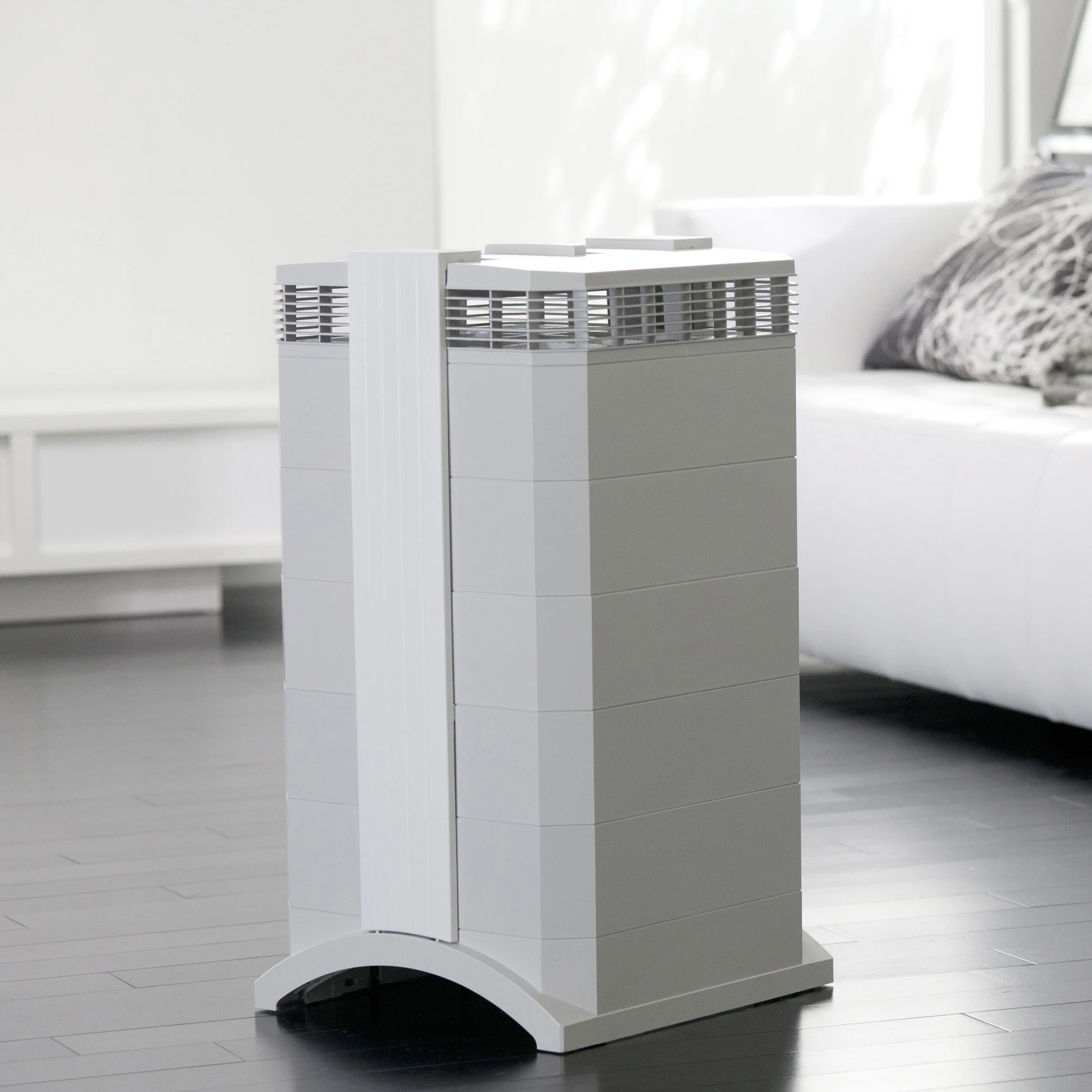
The Clean Air Delivery Rate is the metric you want to look for in making the right choice for an air cleaner. The metric is a measure of how much clean air the unit can provide through its filtration system. Another way to think about this - the CADR tells you how fast a portable room air cleaner can clean the air within a given room size.
The CADR rating is measured in CFM, which you’ve likely encountered before when reading about mechanical systems or blower door leakage testing. For us non-metric literate Americans, CFM stands for “cubic feet per minute” (or m³/hour). This rating was developed by AHAM (Association of Home Appliance Manufacturers) and determined by the ANSI/AHAM AC-1 test.
While this is an effective test, it’s not without caveats (testing protocols are never perfect). CADR ratings apply to a specific category of contaminants and in this case we’re talking about particulates like dust, pollens, and smoke. There are other considerations to make when looking to filter the smaller viruses and bacteria that are NOT bound to some other particulate host. It’s also worth noting that the testing protocol for this rating is 20 minutes so while we can reasonably extrapolate performance beyond this threshold, not all cleaners are created equal and mileage may vary.
Another consideration is that of the ionizer. Ionization is fundamentally a process by which an atom or a molecule acquires a negative or positive charge by gaining or losing electrons. When air cleaners use ionization, the idea is to electrically charge air molecules so that airborne particles become charged as they attract charged ions from the ioniser via electrostatic attraction (think rubbing socks on carpet). In theory, these particles in turn are attracted to any nearby earthed (grounded) conductors in plates designed within an air cleaner. Most often, they simply attach to the nearest walls and ceilings and are easily resuspended into the air. What makes ionization a point of interest with regard to the CADR is how it can bias the results of the ANSI/AHAM AC-1 test.
When Positive Energy specifies filtration systems, we use AHAM’s CADR rating as a reliable and accurate measurement benchmark. In short, the better the CADR rating, the more powerful a portable room air cleaner’s fan is and the better it can filter unwanted particles (like wildfire smoke) from the air. As you’re shopping for a PRAC, we recommend using the CADR as the primary performance metric on which to base your decision.
Show Me The Math
Let’s now consider two scenarios and calculations you can make for informed purchase and use of your portable room air cleaners.
I’m Looking To Buy
Know the room area
The area of the room or the area in the room I want to clean is A = ___ SF (ft^2)
The ceiling height is H = ___ ft
The ACH I want is 2 or 5 or 8; ACH = ___ (1/hr) oddball units, but that's what they are
Recommendations: ACH = 2 for normal use, 5 for allergies/mild asthma, 8 for smoke or sensitive asthma (For reference - ASHRAE-170, which specifies ventilation for healthcare spaces, requires 20 ACH for Operating Rooms in hospitals)
ACH is the number of air changes (exchanges) per hour
Then, you'll need a minimum CADR = (A*H*ACH)/60
I Already Have One!
Looking to know how large of a room/area it can clean
The CADR of the PRAC I'm looking at is ___ CFM (ft^3/min)
Ceiling height H = ___ ft
The ACH I want is 2 or 5 or 8; ACH = ___ (1/hr) oddball units, but that's what they are
This will serve a room/area of A = (CADR*600/(ACH*H)
In Conclusion
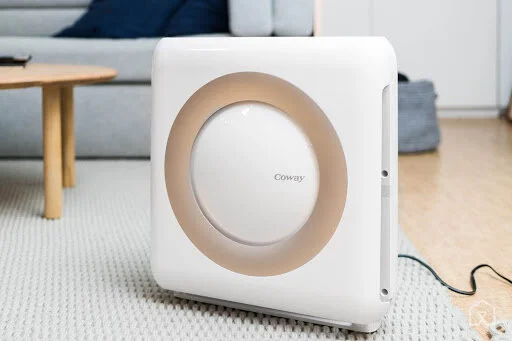
Now you know how to size a PRAC effectively and you know how to evaluate performance metrics across competing products. Take a look at The Wirecutter’s recent review of portable room air cleaners for a pretty comprehensive list of consumer grade pieces of equipment you can buy online today.
On a tactical level, it may be worth considering the purchase of a larger unit than you need at a minimum so that it can run on lower speed (typically the lower a fan speed, the quieter its operation). Loud fans often cause folks to operate these units less (after all, you’ve got to be able to hear your Netflix binge well enough) and the filters will last longer between changes (all things equal as far as pollutant loading in the room air). And for more information on other practical, low cost ways to protect yourself from poor air quality caused by wildfires, here’s an interview our friend Dr. Brett Singer at Lawrence Berkeley National Laboratories did for an LBNL newsletter last year.
Finally, these are challenging times our country and society are facing. Our hope is that together we can increase our collective knowledge of how to keep our homes/families safe in the midst of major disruptions. We also want to emphasize that caring for each other as human beings, colleagues, friends, and family members is so important. Listening to expertise when attempting to solve complex, technical problems - like a pandemic or wildfire safety/management - is the path forward for our society. We’re here for the ride with you and look forward to all the learning and growth we’ll do along the way.

What Have We Learned About Air Conditioning & The Coronavirus
In an effort to broadly provide resources to our clientele and audience, we’ve written articles on the topics of health precautions for construction job sites and designing for healthy environments while reducing pathogen spread. We’ve released podcast episodes on the impact of ventilation and filtration on virus transmission. But now it’s time to talk about a serious elephant in the room as it pertains to coronavirus spread - air conditioning.
by Kristof Irwin and M. Walker
There’s an unprecedented unifying force in the world today and it’s the SARS-CoV-2 pandemic. If you’ve been paying attention to the news at all lately, you’ve likely been inundated with articles, news and facts (both real and alternative) about COVID. Young or old, rich or poor, we are all in this together. The virus has intersected with everyone’s daily life in myriad, unexpected ways and continues to do so. Never before in the history of our company have we heard from so many existing clients, potential new clients, and podcast listeners telling their pandemic stories, expressing concerns about their indoor air quality, and asking what they can do to create healthier home and office environments.
In an effort to broadly provide resources to our clientele and audience, we’ve written articles on the topics of health precautions for construction job sites and designing for healthy environments while reducing pathogen spread. We’ve released podcast episodes on the impact of ventilation and filtration on virus transmission. But now it’s time to talk about a serious elephant in the room as it pertains to coronavirus spread - air conditioning.
Those two words appear together so commonly that we scarcely think about them. Air is a relatively simple concept, but conditioning is worth exploring. Conditioning means to condition something for a purpose. You condition leather to make shoes, you condition limestone to make Portland cement. When it comes to air, you condition it for human occupancy. Conditioning is far involved more than simply cooling, it includes humidity control, ventilation, and filtration.
Setting The Stage - The Starbucks Case

Recently, we came across an eye opening case study in South Korea that took place at the beginning of August (note the link is to a Korean site, but Google Chrome’s automatic translation tool works quite well and is, as far as we can tell, accurate). The situation presented in the Starbucks case illustrates the interdependent relationship of air conditioning systems and protective masks with the spread and prevention of the SARS-CoV-2 virus. The basics of the situation are straight forward enough - 27 people in a 2 level Starbucks in Paju, South Korea tested positive for COVID-19 after 1 unknowingly infected patient visited the store and stayed for a couple of hours. However, each of the workers on shift during this time all tested negative.
For context, South Korea is not under stay-at-home-orders, as much of the US and other countries are, so cafes, restaurants, and stores are all open, and people can eat or drink inside. Like much of the southern United States, South Korea is also steaming hot and humid in the summers, so air conditioners are always on during this time of the year. Also like the U.S., it is common in South Korea to see minimal levels of effective filtration and ventilation in public spaces (although the mileage varies greatly from place-to-place and building-to-building).
Two things immediately stood out in the story that will lead us to our discussion on air conditioning:
The employees, who tested negative, were wearing protective KF94* masks for the duration of the infected person’s stay at the coffee shop, while the infected visitors either did not wear them or removed them at some point.
There are notable differences in the space conditioning equipment between the 1st floor, where the employees were working, and the 2nd floor, where the majority of infections occurred.
*Quick side note to clarify a term: if you’re unfamiliar with KF94 masks, or Korea Filter masks, don’t worry. Essentially, they’re a Korean made version of their American counterpart, the N95 mask, with a few minor differences in performance and testing protocols. They look similar, and they filter a nearly identical percentage of particles—95% versus 94%. See the chart below from 3M for more specifics regarding the differences between these two types of mask or check out this link to learn more about other masks and their function.

So based on the data we have at hand in the Starbucks case, backed by the growing body of evidence suggesting masks’ effectiveness at preventing transmission, we can reasonably infer that the masks were indeed effective in protecting the employees from infection. But what exactly happened with the rest of the store? How is it that 1 infected individual was able to transmit the virus to 27 other people in just a 2 hour period? Let’s take a look at some of the highlights from the Insight article (translated from Korean, of course) and use their reporting as a launching pad to look more critically at the science behind virus spread inside buildings:
“A woman in her 30s stayed at the store on the second floor [of the starbucks] for about two hours…”
“On the second floor, where six ceiling air conditioners were distributed… infection was bound to spread quickly.
Surprisingly, the four employees who worked inside Starbucks were fine. [They] went to the second floor from time to time, but they wore KF94 masks throughout the working hours.”
The story was eventually picked up by Bloomberg, who reported that the incident illustrates a lot about both the effectiveness of masks and the role of air conditioning in the spread of the disease.
“The Starbucks case is one of “the most important opportunities to study risk factors among a more or less controlled cohort of people,” said Arnold Bosman, director at Transmissible BV, a Netherlands-based developer of training materials for outbreak control. “This Starbucks event will be a very valuable training exercise for future generations of epidemiologists.”
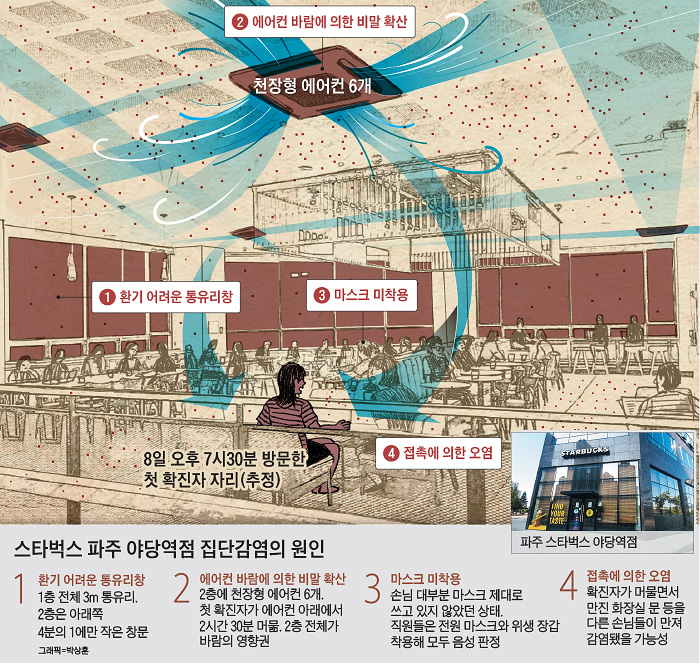
Indeed, this scenario is an important case study for researchers across the scientific community to examine how pollutants and pathogens can be spread in indoor environments. And as far as Positive Energy is interested in this unfortunate case study, we want to examine the action of the building systems and their contribution to poor health outcomes. Like doctors, professional engineers need to at minimum “do no harm,” although this minimum is not a sufficient standard of care given how easily it can bias expectations toward cost-only-optimized-solutions. When we identify what doesn’t work, it informs and refines our understanding of design strategies to help keep our clients comfortable, safe and healthy indoors.
What Does The Starbucks Case Teach Us?
The Starbucks case seems to affirm a growing body of scientific research on the effectiveness of masks at preventing transmission, but the scenario also begs our core question - how does air conditioning impact transmission? The answer is related to the reasons why masks are beneficial. Both are operating to either move or prevent the movement of air. In the case of air conditioning systems the air they move and mix is a potential vector for spreading SARS-CoV-2 around a building and dispersing it into the volume of indoor air. Masks prevent this potentially virus-mixed air from entering our lungs. Again, air is the common link. A solution of solid or liquid particles suspended in air is an air-solution, or aero-solution, now commonly referred to as an aerosol. The important aspect of particulate or liquid matter in an aerosol is that it is a solution, this means the solid or liquid does not readily fall out, it stays suspended in the air for a long time, hours to weeks. The fact that the virus can be carried via aerosolization shapes how we understand and deal with it.
A recent NYT Opinion Column by Dr. Linsey C. Marr, an engineering professor at Virginia Tech, articulates this well:
“As we cough and sneeze, talk or just breathe, we naturally release droplets (small particles of fluid) and aerosols (smaller particles of fluid) into the air. In a peer-reviewed study published in Scientific Reports on Wednesday, researchers at the University of Nebraska Medical Center found that aerosols collected in the hospital rooms of Covid-19 patients contained the coronavirus. This confirms the results of a study from late May (not peer-reviewed) in which Covid-19 patients were found to release SARS-CoV-2 simply by exhaling — without coughing or even talking. The authors of that study said the finding implied that airborne transmission “plays a major role” in spreading the virus.”
Given that the virus is airborne, it makes sense to employ our knowledge of the behavior and flow of air in indoor spaces (or better yet, use modeling tools to do so), but that is not as simple as it may seem. From a recent study on droplet behavior:
“The dynamics of virus transmission is not well understood, with one challenge being the complicated fluid and flow characteristics involved in the fate and transport of virus, including source dynamics (e.g., exhale velocity and temperature, droplet sizes, virus load, and droplet–virus correlations), ambient conditions (e.g., mean and turbulent flows, temperature, and humidity), and virus dynamics (e.g., virus viability and infectious rate) (e.g., Lindsley et al., 2015; Feng et al., 2020; Dbouk and Drikakis, 2020a; and Mittal et al., 2020). Understanding the fundamental fluid dynamics of expiratory virus-laden droplets is critical to the prediction of the transport and fate of droplets and associated potential threats of infectious disease transmission and will provide quantitative guidance for making a public health policy for disease mitigation, e.g., decisions on social distancing and face covering in various indoor and outdoor environments (Dbouk and Drikakis, 2020b; Verma et al., 2020).”
So, given these facts, just how dangerous can air conditioners really be? As you might expect, it highly depends on how well designed and installed those systems are. Air conditioners are not themselves inherently problematic, but left to the devices of traditional industry practices, they can be disastrous for human health.
We can safely assume that many buildings are not employing robust filtration or ventilation strategies, which are both known to be effective in mitigating airborne particulates on which the SARS-CoV-2 virus is carried. If you have not yet listened to our recent podcast episode on this topic with Dr. Ty Newell, PhD, P.E., it is a true education on the matter. Conditioned spaces create unique hygrothermal conditions and the behavior of pollutants in a given space is largely determined by its conditioning strategies and how well they were implemented. This is important to note primarily because most conditioned spaces have systems that are insufficient to protect human health and do no harm.
In fact, the first COVID-19 patient in Wuhan spread it to others via an air conditioning unit even though they were more than 6 feet away. In a published study of the patient one scenario, a swab sample from the air conditioning system near the patient tested negative, indicating that the virus droplets indeed were not filtered and likely circulating around the restaurant via the air conditioner’s blower. We’re inferring here that the COVID laden particles were being circulated by, not through, the air conditioning system.
Dr. Marr again:
“Consider the case of a restaurant in Guangzhou, southern China, at the beginning of the year, in which one diner infected with SARS-CoV-2 at one table spread the virus to a total of nine people seated at their table and two other tables.
Yuguo Li, a professor of engineering at the University of Hong Kong, and colleagues analyzed video footage from the restaurant and in a preprint (not peer reviewed) published in April found no evidence of close contact between the diners.”
“Droplets can’t account for transmission in this case, at least not among the people at the tables other than the infected person’s: The droplets would have fallen to the floor before reaching those tables.”
But the three tables were in a poorly ventilated section of the restaurant, and an air conditioning unit pushed air across them. Notably, too, no staff member and none of the other diners in the restaurant — including at two tables just beyond the air conditioner’s airstream — became infected.”
All evidence considered, the Starbucks case in South Korea is strikingly similar to the case of patient one in Wuhan. Air conditioned spaces with insufficient strategies employed for human health can and do cause serious health issues.
What Could Have Prevented These Infections?
To state the obvious, staying home or utilizing a curbside pickup system would have certainly prevented this particular infection cluster, but since many people are opting to continue some degree of public life as it was before the pandemic, let’s look at the other strategies available in hopes that more buildings can “bake in” protective measures without relying on occupant behavior.
Profs. Linsey Marr (Virginia Tech), Shelly Miller (CU Boulder), Kimberly Prather (UC-San Diego), Charles Haas (Drexel University), William Bahnfleth (Penn State), Richard Corsi (Portland State), and Jose-Luis Jimenez (CU Boulder) have written a fantastic and exhaustive FAQ document with lots of really great information. We’ve simplified a few salient points for those who aren’t able to dive in to that depth just yet.
Protective Masks
Wearing protective masks is a demonstrably effective strategy as evidenced by the Starbucks employees who did not become infected. Researchers have, for quite some time, known that masks can prevent people from spreading airway germs to others. These findings have driven much of the conversation around masks during the coronavirus pandemic and have been the catalyst for further research. As cases have continued to rise across the world (and especially here in the US), experts are pointing to a growing body of evidence suggesting that masks also protect the people wearing them, lessening the severity of symptoms, or in some instances, staving off infection entirely. This a growing body of research spans disciplines of virology, epidemiology, and ecology and the results so far suggest that universal masking not only protects others from a potentially infected individual, but also protects the mask wearer. The mechanism of protection is the reduction of the “inoculum” or dose of the virus for the mask wearer, leading to more mild and asymptomatic infection manifestations. Ideas about the importance of viral dose in the development of various diseases have been studied since the 1930s and what we have learned has contributed to the development of strategies to protect us against other airborne pollutants as well.
With regard to the SARS-CoV-2 virus, there is a notable new paper out on the effectiveness of mask wearing. Dr. Monica Gandhi, an infectious disease physician at the University of California, San Francisco wrote in a recent article:
“As governments and workplaces began to recommend or mandate mask-wearing, my colleagues and I noticed an interesting trend. In places where most people wore masks, those who did get infected seemed dramatically less likely to get severely ill compared to places with less mask-wearing.
It seems people get less sick if they wear a mask.
When you wear a mask – even a cloth mask – you typically are exposed to a lower dose of the coronavirus than if you didn’t. Both recent experiments in animal models using coronavirus and nearly a hundred years of viral research show that lower viral doses usually means less severe disease.
No mask is perfect, and wearing one might not prevent you from getting infected. But it might be the difference between a case of Covid-19 that sends you to the hospital and a case so mild you don’t even realize you’re infected.”
There you have it. Protective masks are a simple, relatively straightforward and inexpensive strategy to protect yourself and others from viral transmission.
Humidity Control
The impact of humidity on human comfort and health is important to understand and important to include in mechanical system designs. Humans and viruses prefer different indoor temperatures and humidities to thrive. Keeping indoor spaces in the Goldilocks zone of 40-60% relative humidity is an effective way to mitigate the spread of viruses like COVID. Our bodies natural defenses, our cilia and mucous tissues air impaired when the air gets too dry. Too wet, and the resultant microecology of damp buildings creates an ecosystem for a host of microbes, including fungi, bacteria and viruses impact the indoor microbiome in ways that negatively impact our health.
There are new approaches to modeling airborne droplet behaviors that illustrate the expelled droplets that carry the SARS-CoV-2 virus are sensitive to environmental conditions, including temperature, humidity, and ambient flows. Since these droplets play a key role in viral and other pollutant spread, we should have a keen sensitivity to controlling humidity in indoor environments. Further convincing evidence suggests this modeling strategy’s accuracy as noted in another study:
“At a higher humidity, the droplets grow faster, fall to the ground earlier and can be inhaled less by healthy people. A humidity level of at least 40 percent in public buildings and local transport would therefore not only reduce the effects of COVID-19, but also of other viral diseases such as seasonal flu.”
There is, of course, nuance here (this is a tricky set of topics). Take into account Stephanie H. Taylor MD M Architecture, CIC and her work in creating sufficient levels of humidity to support healthy immune function. Generally speaking, viruses thrive in dry conditions because they aerosolize and thus stay in the air longer. It’s also such that when your mucus tissues dry out, the cilia (which protect against viruses and other pollutants) don’t work like they should; the microbiome on the surfaces of your muco-cilia system don’t produce the right recipe to fight viruses.
“When our mucous lining becomes thick effective,particle capture is reduced. Particle capture becomes ineffective at as little as a 6% increase in mucous viscosity. Cystic fibrosis patients experience more infections because infectious particles settle and macrophages and dendritic cells don’t secrete needed proteins.
“Low ambient humidity impairs barrier function and innate resistance against influenza infection.” Akiko Iwasaki study found that the mammalian immune system is impaired at 10%-20% RH
The comfort zone is 40%-60%. Staying within the comfort zone is the goal. Staying within the comfort zone reduces infectivity.”
But in the case of SARS-CoV-2, and to add even more complexity to the topic of humidity and viral spread, its’ worth noting that the virus in question seems to behave a bit differently than its counterparts. This was recently described by Lew Harriman on an episode of IAQ Radio, in which he discussed the new ASHRAE document “Damp Buildings, Human Health and HVAC Design”. Harriman reminded listeners that, while Dr. Taylor’s findings are true, the SARS-CoV-2 virus is actually able to remain in the air for hours at a time at 50%RH. He also noted that the level of humidity control really depends on the building typology; grocery stores have different usage patterns than a home, for example.
So while studies of other viron can and do provide meaningful insights to reduce transmission in general terms, it is important to understand the specifics of the viral behavior in question before recommending or adopting a strategy. And, as with all science, the research body grows and our understanding will change. Remember that nothing is final, but in the applied science profession, we do our best to recommend solutions that help people based on the latest peer-reviewed research.
Ventilation
We’ve mentioned this strategy previously in this article and other articles we’ve written and podcast episodes we’ve recorded and we cannot overstate the importance of sufficient ventilation. Researchers, such as Jeffrey Siegel, are taking this message mainstream. The NPR segment, Marketplace, recently aired an interview with Siegel about the state of ventilation in buildings and how it’s negatively impacting virus transmission indoors.
From that interview:
“Molly Wood: It is my understanding that a lot of existing [heating, ventilation and air conditioning] systems, particularly in commercial buildings, do recirculate a lot of air in order to keep either cooled or heated air in the system. That was for efficiency purposes?
Siegel: That’s absolutely correct.
Wood: So in hindsight, was that a terrible mistake?
Siegel: No, absolutely not. We have a climate crisis. Energy use associated with buildings is a very big part of our energy footprint. Conditioning that air is one of the big users of energy within a building. So it’s important that we do it in an energy-efficient manner. I think that the bigger problem is that we have to be much more cognizant of how we’re managing ventilation. I think COVID-19 adds some variables to how we might manage ventilation. But in general, I think that we have the tools to do it. It might take some investment and so on, [but] we just have to be a little bit more proactive and engaged in how we manage the ventilation in our systems.”
This begs a common question we get from practitioners across the AEC industry - if we’re going through all the effort to design and build energy efficient buildings, but we’re also being told to ventilate, how do we reconcile those outcomes? And the truth is that it takes some careful consideration and calculation, but that is exactly the role of a good mechanical designer who has a sympathetic understanding of enclosures, energy performance, and human health. With the right framework, communication flows, and process, multiple simultaneous positive outcomes (energy efficiency, healthy air, budget sensible approach) are achievable.
If you were wondering about the ventilation of the building in the Starbucks case, Starbucks was specifically asked about their ventilation, and noted that "... the windows were opened for more than 10 minutes twice a day to ventilate," but that most of the windows were fixed glass and the only operable windows opened a narrow width of 30cm. There was no functional or known mechanical ventilation strategy.
When we spoke with Ty Newell recently about the role of ventilation in virus prevention, he walked us through a graph (see below) that was presented in a webinar he’d given (based on his research) in early August that may surprise you. Providing sufficient fresh air in indoor spaces is a clearly effective strategy in preventing virus transmission.

From Dr. Newell’s recent paper, Killing Ourselves With Comfort:
“Reduction of disease transmission within buildings and homes requires increased fresh air flow rates (at least doubling to 40cfm per person) and improved air filtration (to at least MERV11 filtration). Carbon dioxide concentration monitoring of every indoor building space is the key to reducing indoor virus transmission rates. Carbon dioxide concentration is a direct measure of human respiration rates, and therefore, virus concentration in the indoor environment. Maintaining indoor carbon dioxide concentrations below 800ppm, equivalent to doubling today’s inadequate, odor-based ventilation rates, will reduce disease transmission rates below the limit required for decay of Covid-19 transmission.”
But of course, like all subjects, there is complexity to consider in some situations. The unhealthy air from raging fires in California can actually make people more susceptible to COVID-19 as their lungs and immune systems can become overtaxed with the presence of toxic particulates via smoke inhalation. So robust filtration comes into focus as a crucial strategy for good indoor air quality.
Filtration
As we have pointed out in previous articles, ASHRAE suggests using filters with a minimum MERV-13 rating. Condensing significantly, MERV ratings are based on a filter’s performance/ability to filter out particles between 0.3 and 10 microns. SARS-CoV-2 can be found in respiratory droplets or attached to other pollutants in this size range; the higher the MERV number, the higher the probability that the filter will remove these droplets. However, the solution to all problems is not to install a higher MERV rated filter to a building’s central air conditioning system, filters are part of a system and as such the parameters of the rest of the system can aid or impair a filter’s ability to capture pollutants (which are substances that are harmful to human health). The filtration system can’t leak air or let air bypass the filter and find another path to the conditioned space. Filtration efficacy is also dependent on the type of filtration media, it’s electrostatic properties and the velocity (speed and direction) of the particles as the approach the filter.
An interesting quirk of the physics of filtration is the very smallest particles are actually easier to filter out than the 0.3 micron ones. The smallest particles get pushed toward filter fibers because of their collisions with gas molecules in the air. We recorded a fascinating, but relatively slow podcast episode on the wild world of filtration some years ago that is worth your consideration. Even Vox is getting in on the air quality conversation, with a recent article about the effectiveness of air filtration and virus transmission prevention. These ideas are not only on the radar of scientists anymore, but major media outlets.
Remember that simply replacing a non-HEPA with a HEPA filter in existing equipment may worsen the problem. Make sure your system can accommodate the air flow needs of a HEPA filter. If your system can’t, you can explore a more decentralized approach through portable room air cleaners instead. Take a look at The Wirecutter’s recent review of portable room air cleaners for a pretty comprehensive list of consumer grade pieces of equipment you can buy online today.
In summary, we were already in the midst of a revolution of understanding in the field of IAQ when the SARS-CoV-2 virus abruptly entered our lives and brought the field more sharply into focus. As is evidenced by the Starbucks case, studying the impact of HVAC systems on human health, especially during a pandemic, is crucial to protect us against future outbreaks. With the data gathered from the diligent research currently taking place, we will continue to understand a more complete picture of how we can use indoor air quality as a public health tool that’s “baked in” to our society’s buildings. We have a lot of work to do, a lot to learn and understand, but we have the tools, the data and the motivation like never before. Pandemics don’t just work themselves out - they end when smart people take good science, communicate it effectively to the public, and we work together to take care of one another.
On The Horizon - Emergent Knowledge
The following are some examples of topics in the emerging research field of indoor air quality.
Better sensors and analytic tools - NGS next generation sequencing equipment.
New data streams (IAQ data) - PTR-ToF-MS (proton transfer reaction, time of flight, mass spectrometers).
Rapid IT development - we can handle big data sets and find the needles in the haystacks.
Goal to personalize Healthcare - human genome unlocks microbial genomes as well.
Metagenomics is the study of genetic material recovered directly from environmental samples. The broad field may also be referred to as environmental genomics, ecogenomics or community genomics.
Epigenetics focuses on processes that regulate how and when certain genes are turned on and turned off, while epigenomics pertains to analysis of epigenetic changes across many genes in a cell or entire organism. ... The epigenome can mark DNA in two ways, both of which play a role in turning genes off or on.
Metabolomics is the large-scale study of small molecules , commonly known as metabolites, within cells, biofluids, tissues or organisms. Collectively, these small molecules and their interactions within a biological system are known as the metabolome.
Proteomics is the large-scale study of proteomes. A proteome is a set of proteins produced in an organism, system, or biological context.
Glycomics is the comprehensive study of glycomes (the entire complement of sugars, whether free or present in more complex molecules of an organism), including genetic, physiologic, pathologic, and other aspects.

AIA Austin Design Excellence Conference Presentations
We’re thrilled to provide 4 fantastic sessions for this year’s conference. It’s not just for Austin architects - all are welcome. We can’t wait to see you there! Starts Wednesday so get your tickets quick.
By M. Walker
We’re thrilled to provide 4 fantastic sessions for this year’s conference. It’s not just for Austin architects - all are welcome. We can’t wait to see you there! Starts Wednesday so get your tickets quick.





Vitruvius Walks Into A Post COVID Building
8/19 12:45 PM CST
In some ways architecture has changed significantly over the past 2000 years. In other ways, much has stayed the same.
If Vitruvius, the ancient Roman “father of architecture” were to visit us during the first few decades of the third millennium, he would see much that much of the profession still aligns the three principles of architecture: firmitas, utilitas and venustas, that he laid down thousands of years ago. Firmitas, firmness or protection, was accomplished through structure and the use of physical barriers to protect occupants from intruders and the elements. Utilitas, or usefulness, is accomplished with a functional floor plan and by providing designated spaces for human activities, such as cooking, sleeping, or spending time with friends and family. Venustas, commonly translated as “delight” is the connection to the human spirit and is just as important today as it was to our Roman ancestors. Fast forward to 2022, a year following the COVID-19 pandemic, and Vitruvius would learn that people are spending the majority of their lives indoors and that his three principles applied to new buildings in fundamentally different ways by expanding in ways that were unforeseen. Firmitas had shifted focus from protecting occupants from other people to protecting occupants and their lungs from microbes and other negative health impacts. Utilitas had shifted from usefulness in the present to strategies to guarantee continued use of the building in the future, ensuring that projects can forge ahead during periods of disruption. If anything, utilitas has expanded the Roman use of cisterns to make a building habitable, and to recognize the primacy of power, mainly in the form of high quality reliable electricity. Finally, venustas or delight, has gained new meaning as the qualities of a building that lead to personal satisfaction with life. Post-COVID, many people rediscovered what is most important and we shifted our priorities to take advantage of simple pleasures of health, food, family, and friends. It's our imperative to take best aspects of the impacts from the pandemic and make them permanent, while making sure that the worst/negative aspects are gone forever. Join Vitruvius and your fellow session attendees for a sneak peek at the positive changes to architecture in the Post-COVID world.
2020 COTE Top Ten Awards
8/20 10:40 AM CST
The COTE® Top Ten Awards is the industry’s best-known award program for sustainable design excellence. Each year, ten innovative projects are recognized for their integration of design excellence with environmental performance.
This course will run through this year's Top Ten professional and student winning projects and demonstrate how "excellent" design can be achieved in this new era of climate change. Join your local COTE leaders and a handful of winning team members from across the country to learn how you can apply the Framework for Design Excellence measures to your projects.
2020 Is The New 2030: Strategies For Tackling Big Problems
8/19 10:40 AM CST
The Climate Crisis is a big problem. Almost too big for an individual to comprehend and seemingly too complex, and distant for an individual to do anything about.
While the potential impacts of non-action may seem abstract to an individual, from a societal standpoint, climate change is public enemy number one, with the potential to undermine almost all aspects of our economic and political systems. Architects were never asked to be stationed at the front lines of global health. It should be the politicians who make the rules or the oil companies that drive our demand for fossil fuels. But in a twist of fate, it’s the architects who have both the jurisdiction over buildings, (society's most significant polluters), and the skill sets to gracefully solve seemingly unsolvable problems. The steps we take during the next decade will be crucial for tackling climate change and will determine our success in 2030. But what can an individual architecture firm do to address such an enormous problem? Using a 12 step framework for taking on big problems, this optimistic session will offer simple actions that individual architects can take every day to become part of the solution.
Resilient Systems In Architecture
8/21 12:45 PM CST
Whether it’s to provide for independence and reliability or to reduce environmental impact, many owners and project teams are rethinking traditional utility services.
Incorporating resilient systems, based on renewable resources, into the architectural design process provides owners with the opportunity to avail themselves of resource and energy flows that arrive freely on their site. Whether it is to unlock the ability to engage in energy arbitrage, to provide power during wildfire shutdowns, or to prevent the inconvenience of a future boil-water notices, owners are increasingly interested in understanding the range of utility service options available so that they can thoughtfully provision their properties for the future. In this seminar we will share several case studies of projects where owners were supported to establish their resilient system priorities, by considering the types of available systems, and understanding their options for functional outcomes early in the design process. In these case studies, an owner-architect interview process was used to establish the owner's project requirements (OPR). These requirements were then mapped into quantitative specifications that provide for the basis of design (BOD). Knowing the resilient system OPR and BOD while the architectural design is still fluid unlocks production and integration synergies, as well as the ability to thoughtfully locate system components in ways that take aesthetics into consideration, rather than having these systems added after the home is already designed (i.e. the Mr. Potato-head model). Also significant, since the infrastructure for resilient systems is part of the overall architectural design it can be installed during the initial site work and construction phase. This streamlines installation, reduces overall cost and prevents future disruption to the site and landscaping. Once the infrastructure is in place, the property is provisioned to accommodate a phased implementation of resilient energy and water systems. Architecture is an enduring craft and, in terms of reliability, quality, cost and convenience, the future of site utilities is uncertain. Now is the time for architects to respond and support a rethinking of traditional utility services.

Construction Site Health Precautions
Despite surging cases in the US, construction has not stopped in most states. As we know, houses and buildings can't be built over a Zoom call. We all need to do all we can to end this period of uncontrolled community spread, particularly on construction jobsites since construction workers have been so hard hit by infections. Like any construction project, there are both quantitative and qualitative requirements of a team to bring a building to life. With these facts in mind, we offer the following list of ways to support the health of your construction team on the jobsite.
By Kristof Irwin and M. Walker
Travis County Cumulative Cases (Log) and New Daily Cases (Linear) + 14 Day Moving Average as of July 5th, courtesy of Reddit user u/RationalAnarchy
Back in March, we wrote about ways to improve indoor air quality in our houses and buildings as much of society shifted to working from home. Here we are nearly 4 months later; commerce has re-opened and COVID-19 infection rates are skyrocketing. Just take a look at Travis County data from July 4th weekend and you can see our curve growing rapidly the last few weeks. Austin is certainly not alone showing such trends and at the time this post was written, there is a state-wide mask ordinance issued via executive order by the Texas governor.

But houses and buildings can't be built over a Zoom call and construction continues on. We all need to do all we can to end this period of uncontrolled community spread, particularly on construction jobsites, since construction workers have been so hard hit by infections. Like any construction project, there are both quantitative and qualitative requirements of a team to bring a building to life. With these facts in mind, Positive Energy offers the following list of ideas to support the health of your construction team on the jobsite.
Be Realistic
We understand the realities of construction. It’s not easy even in favorable conditions. Expect downside impacts from this pandemic and know you’re not the only one out there who is slowed down. It will take longer to get the same work done while also maintaining safe practices. Help clients and design team members understand the reality on the jobsite as the constraints of the pandemic challenge pre-COVID-19 expectations.
Be Professional & Cooperative
Company culture on the jobsite has never been more important. Now is the time for the individual, personal exertion in the sense of maintaining the discipline to maintain safe practices even when it’s inconvenient and uncomfortable and impedes productivity. Teamwork and a shared mission of safety are crucial to keeping everyone on site safe and keeping the project on track. Keeping teams safe in a pandemic should be a badge of honor.
Be Responsible
Know the rules and follow them. The basics must include health checks, sign-in/out for contact tracing, masks/PPE, frequent hand washing/sanitizing, and strict distancing. Of course specifics vary from jurisdiction to jurisdiction, but most cities have made the resources readily available to start the conversation.
Be Accountable
If the rules are not posted or enforced or you're not clear on them, speak up. Leave the jobsite if COVID safety precautions are not being followed.
Remember that power dynamics between client and GC / GC and sub contractor set the tone for accountability. Without transparency and good communication, the folks at the bottom of the power structure will ultimately be the ones who suffer. Use your leverage in the situation to keep yourself and others safe.
Minimize Speaking Inside
Go outside for planning and coordination, particularly for group conversations (remember that distance and masks are still necessary outside).
Take breaks and bio-breaks safely. Regularly disinfect the toilets and wash/sterilize your hands after using them.
Keep It Extra Clean
Regularly wipe and disinfect surfaces and HEPA vacuum the jobsite to prevent dust and debris build up. Do this on a schedule not to exceed once every 4 hours. Even better is to designate someone to perform continuous jobsite cleaning and dusting throughout the occupied period.
Ventilate Working Environments
Air exchange is important. Use fans to move outside air in and inside air out. CO2 levels can be used as a guiding metric. Measure CO2 levels to maintain at less than 1000ppm. Unless the jobsite is basically wide open, target a minimum of 3 air changes per house (ACH). This mean both fans for moving the air in and then back out. For closed/indoor construction ventilation will decrease thermal comfort and impair the ability to maintain dry air conditions needed for many interior surface installations and finishes (more on that later).
Filter The Air In The Workspace

Image courtesy of Greyson Joralemon
Use portable room air filters rated at a minimum of MERV-13. Construction sites produce lots of dust and particles so HEPA grade portable filtration will rapidly load and become ineffective. DIY portable air filters can be made by taping a MERV-13 filter cartridge to the back (suction side) of a simple box fan. Keeping the ordinary airborne jobsite pollution down will aid in the respiratory health of the team and the same filtration system can also prevent viral shedding in the air.
Use UV-C Air and Surface Disinfection Systems
UV-C is the portion of the UV spectrum used for ultraviolet germicidal irradiation (UVGI). While the topic is complex, these systems can be safely used with some basic understanding. Typically UVGI applications are:
In-duct systems - Titanium doped UV-C lamps emitting at 254nm is recommended for in-duct UVGI systems. Broad spectrum UV from residential grade systems such as Reme-Halo can also be effective. Be sure that these systems do not emit radiation into occupied spaces. This is not a recommendation for Reme-Halo or other UV lamps in home duct systems. Only for construction sites with intermittent occupancy. Except for COVID, the general recommendation is not to do indoor air chemistry in occupied spaces.
Upper air systems - These are fixed UV-C lamps that can operate with/without ozone production and are appropriate for use in unoccupied/occupied spaces.
UV Robots - These are portable high output UV-C air and surface treatment units. These can be used after hours or periodically during the day, while the site is unoccupied, to rapidly and effectively sterilize air and surfaces.
Recognize & Deal With The Elevated Risks Of Unventilated Jobsites
When ventilation causes elevated temperature and humidity that it interferes with construction, for example installing hardwood flooring or drying paint/sheetrock, be more conservative with jobsite access. Limit the number of workers within each contiguous indoor air volume. No more than one person per 150SF of floor area. This will increase in confined areas such as attics, crawl spaces or other confined areas.
Of course these ideas are subject to change and we’ll keep them up-to-date as the situation evolves. If you’ve seen some great examples of jobsite safety to prevent virus spread, let us know. We want to hear about the good work being done. Similarly, if you have ideas for how we can improve this resource for more teams, we’d love to hear from you. Use the button below to submit your feedback. These submissions will be kept private unless we speak with you about publishing first.

Heath Effects From Gas Stove Pollution
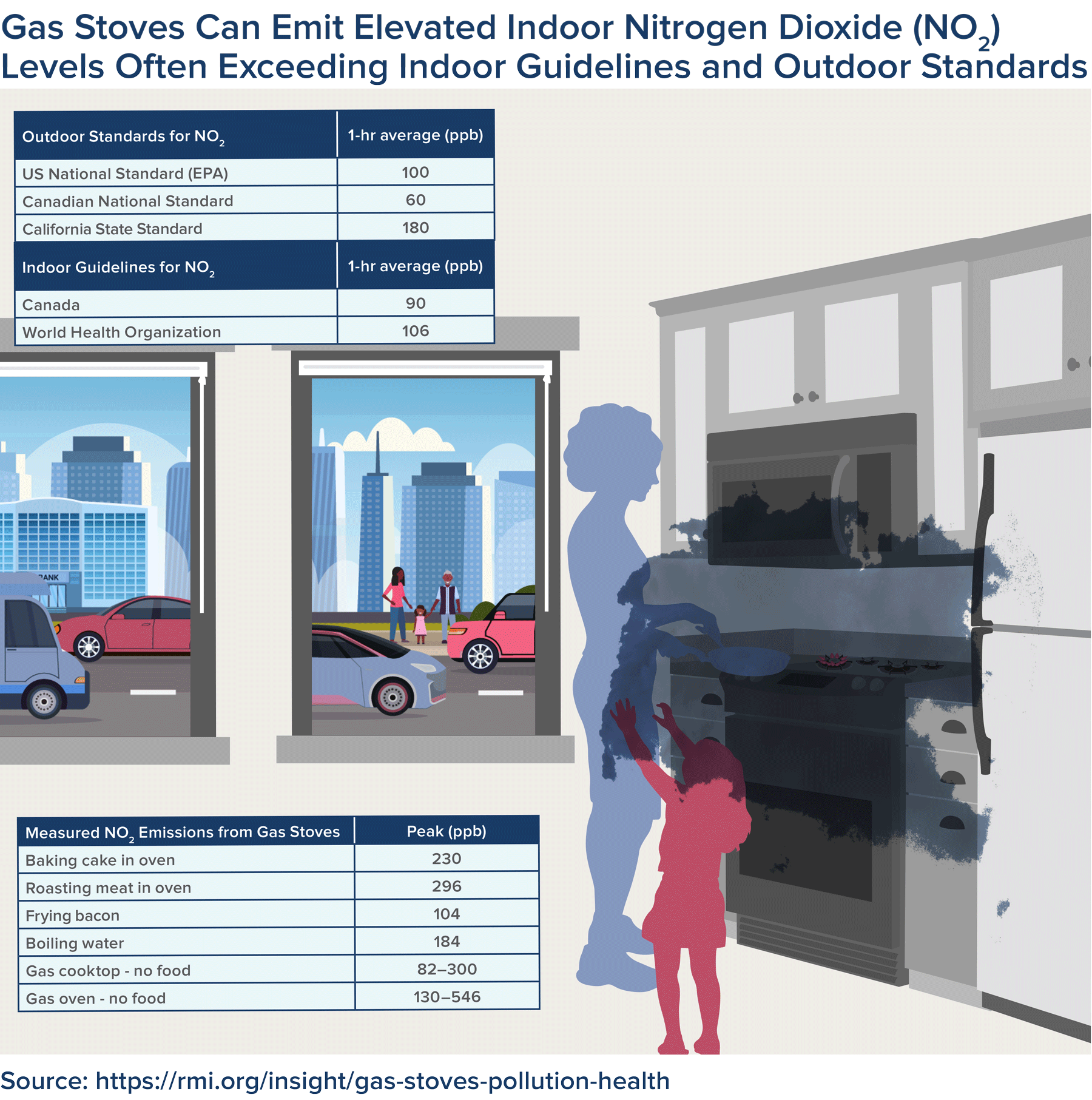
We just finished reading a recently released by the Rocky Mountain Institute in partnership with Mothers Out Front, Physicians for Social Responsibility, and The Sierra Club about the health and air quality impacts of gas ranges in homes. The results are sadly unsurprising (at least not surprising if you’ve spent any time at all reading about the indoor air quality crisis). Over 40 years of evidence indicates that gas stoves, common in kitchens across the United States, can lead to unhealthy levels of indoor air pollution.
By M. Walker
As the coronavirus quarantine continues amidst multiple global outbreaks in varying stages of containment, millions of people are still sheltering in place and more intimate with their homes than usual. After months of sheltering in place, many are expressing concern at the quality of their home’s indoor environments, especially as they read about airborne virus spread. Of course the virus is a paramount concern for just about everyone, but it has also become a vehicle of education on the broader topic of indoor air quality at home. It’s not difficult to imagine the shock of learning that most homes were not built with a thorough understanding of indoor air quality or how to create conditions for healthy home environments.
The deeper you dive, the scarier it can feel. When the realization sets in that some of the most seemingly innocuous appliances in the home can contribute to negative health impacts. Enter the common household gas stove.
We just finished reading a recently released by the Rocky Mountain Institute in partnership with Mothers Out Front, Physicians for Social Responsibility, and The Sierra Club about the health and air quality impacts of gas ranges in homes. The results are sadly unsurprising (at least not surprising if you’ve spent any time at all reading about the indoor air quality crisis). Over 40 years of evidence indicates that gas stoves, common in kitchens across the United States, can lead to unhealthy levels of indoor air pollution.
“Over 40 years of evidence indicates that gas stoves, common in kitchens across the United States, can lead to unhealthy levels of indoor air pollution.”
The report is a comprehensive synthesis of of 4 decades of expert findings in research conducted across scientific disciplines and leaves us with 8 key findings.
Indoor air is largely unregulated and is often more polluted than outdoor air.
Gas stoves can be a large source of toxic pollutants indoors.
Indoor pollution from gas stoves can reach levels that would be illegal outdoors.
There are well-documented risks to respiratory health from gas stove pollution.
Children are particularly at risk of respiratory illnesses associated with gas stove pollution.
Lower-income households may be at higher risk of gas stove pollution exposure.
Ventilation is critical but is not the sole strategy to prevent exposure.
Electric cooking is a cleaner household cooking option.
It’s also important to remember that while these findings should be alarming, there are also tangible steps we can take to mitigate these negative health impacts. Air pollution is preventable and by addressing pollution at the source—in this case the gas stove—negative health impacts can be mitigated.
As we began to write this digest, we were subsequently notified that David Roberts published his own comprehensive digest of the same synthesis report in Vox Magazine. Rather than compete with the vastly larger readership of that magazine and reinvent the wheel, we’re just going to send you a link to it here. It’s well worth a read!

Come Back Stronger
Before us is a once in a generation opportunity to rebuild the world. Now is the time for clarity and confident action. Post-COVID, we can choose to build a world that brings public health, both mental and physical, to the forefront of the built environment. A world where the invisible aspects of architecture that impact our lives move to the front and center of the design process. A world where we recognize the power of collective individual action and we question the true reasons behind our old paradigms.
By Cory Squire
Stasis breeds both conformity and apathy. In a predictable world, we fall into predictable patterns and forget to question the underlying assumptions that shape our behavior and determine our values. We may drive to work to spend 8, 9, or 10 hours sitting at individual desks. We may fly across the country, spending two nights in a hotel for a one-hour meeting. We may be swayed by the allure of thermal comfort or air quality in our cars, but less concerned about our homes, or accept that the proportion of urban land given over to transportation is many times the area designated for people. Our behaviors and values are influenced by both social norms and by our physical environment. The new social norms have shifted our behavior and now the Architecture profession is on the front line of designing the physical environment that comes next.
It’s up to us to fundamentally rethink our relationships with work, shelter, the public realm, and our own personal priorities. In a matter of weeks, the virus broke rules that we had accepted as fact and has led to alternative ways of being that many had not imagined. Most of what the virus has wrought is havoc, but once the risk recedes, the new normal will be inspired by the hidden gems that the virus revealed. How well we “mind the gap” between what came before and what will come after will have long term consequences.
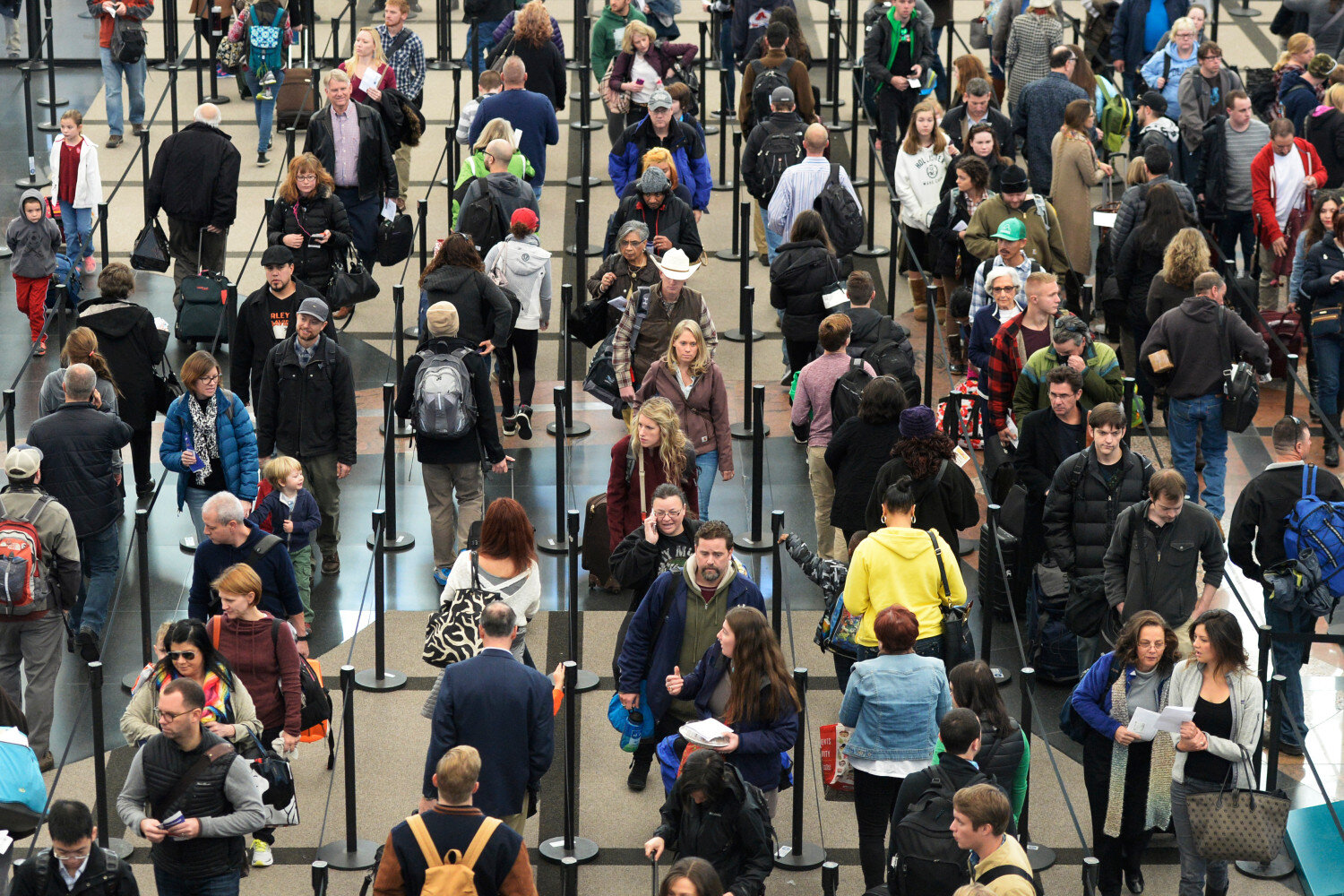
PHOTOGRAPH BY RJ SANGOSTI — DENVER POST VIA GETTY IMAGES
Before us is a once in a generation opportunity to rebuild the world with clarity and confident action. We can allow this disruption to further weaken our community, businesses, and well-being or we can Come Back Stronger. We can refocus efforts to tackle the existing problems that the virus lay bare. We can take advantage of the new concern for public health in the built environment by pushing well-being to the forefront of architectural discourse. We can rethink of a house as a shelter and rethink the public realm as an place for human connection. The alternative to consciously designing a better future is the nightmare scenario where we permanently give up handshakes and hugs and spend the rest of our lives in a perpetual state of fear and social distancing. This is what happened after 9/11. We took faulty lessons from that tragedy and to this day, we need to stand in line to take our shoes off at the airport and walk through metal detectors in public buildings. How deeply did we consider the breadth and depth of those decisions? How much of that new normal was accepted out of fear or lack of vision? Are our lives better, are we safer?
This time, we can choose to engage in intelligent discernment. Post-COVID, we can build a world where health, community, and ecological thriving is desired outcome of the AEC industry. A world where the invisible aspects of architecture that impact our lives take new prominence in the design process. A world where we recognize the power of collective individual action and we question the true reasons behind our old paradigms.
Together we can Come Back Stronger. To help understand what that means, we invite you to share your thoughts on a simple question at the end of this article. We will harvest these answers anonymously and share what we learn. To get the mind flowing, here are some of the responses we’ve gotten from the team at Positive Energy.

Photo by sergio souza on Unsplash
Post-COVID, how do we improve the nature of work? How do we preserve the benefits that office workers received by working from home while protecting the workers who need to be on site?
Post-COVID, what does it mean for a home to be a shelter?
Post-COVID, what is the purpose of the public realm? both indoor and outdoor spaces? how does it become more human scaled and accessible?
Post-COVID, how will our personal values change?

Kristof's Guest Spot On The BS + Beer Show: Making The Most of Mini-Splits.
In case you missed last week’s meeting, it was the first collaboration between our very own Building Science Philosophical Society crew and the good folks of the BS + Beer show back east. The show was a lot of fun and the video was recorded so you don’t have to miss a thing.
By M. Walker
In case you missed last week’s meeting, it was the first collaboration between our very own Building Science Philosophical Society crew and the good folks of the BS + Beer show back east. The show was a lot of fun and the video was recorded so you don’t have to miss a thing.
Enjoy!

Mind the Gap
All around the globe, the pandemic has created something of a "gap" between what came before and what will come after. Let's use this gap as an opportunity to change paradigms while traditional practices are somewhat less solid. Paying attention to paradigms is what matters most during this time between the old normal and the new normal.
The COVID pandemic is a time of profound disruption for all of us. All around the globe, we are experiencing a "gap" between what came before and what will come after. We are in that gap now. Now is the time to pay attention. Whether you are watching your professional life fall apart, or you are as busy as ever, there is nothing normal about this time, and as such there is an opportunity here.

Bruno Figueiredo, Unsplash
The amount of disruption and pain from the pandemic is devastating and should never be minimized. However, this time does also represent an opportunity. This is a moment where the driving forces and momentum of the old normal are not as powerful. We can use this gap moment for our advantage, and for the benefit of future generations.
Focusing specifically on the aspect of society where Positive Energy does its work, the architecture, engineering and construction (AEC) industry, this is a unique time where traditional practices are slightly less solid, more fluid. This fluidity at the professional level is likely based on the uncertainty that we are all feeling at a personal level, and it's an opportunity that may not come again, hopefully will not come again in the form of a global pandemic.
So, how do we mind the gap? How do we use this time to put in place a new normal in a way that it "sticks"? Traditional design, construction and operation practices are based on reckless, wasteful and unsustainable resource and energy use. How do we end this regime of "organized irresponsibility" where we are all complicit in systems that bring about outcomes that no one wants. How do we leverage this time of disruption to end the tyranny of short term profit based on the exploitation of human and planetary resources? How do we bring social and environmental justice into the mainstream?
Ellen MacArthur Foundation
One answer is found in the words of Muriel Rukeyser "the universe is made of stories, not of atoms". We humans respond deeply to stories. We like to think we are rational, but we are, instead, relational. We seek safety and security through adherence to tradition and in-group loyalty. These traditional practice are based on paradigms.
Paradigms are, at heart, stories; stories about the world around us. These stories form and inform our lives and our perspective of the world. They are sets and patterns of ideas, beliefs and values that individuals and societies use to make sense of reality. But a key aspect of paradigms are that they are essentially invisible. They are so deeply rooted that they feel like common sense. As such, we rarely question the big stories because we don't actually notice they exist and inform all of our decisions and actions.
Paradigms are stories that societies hold as truths until new paradigms take over. Here are some paradigms that are no longer widely held:
"The earth is flat."
"The earth is at the center of the universe."
"Individual decisions and actions can not impact the entire planet.”*
*In the world of the post COVID-19 crisis, this last one is hopefully, finally gone forever.
Why all this talk about paradigms? We have important and pressing issues, this is not the time to talk about stories. Or is it?
Paradigms are powerful leverage points. We need that power now. Within a complex system, leverage points are those places where small shifts lead to big changes. That is why paying attention to paradigms is what matters most during this time between the old normal and the new normal. If we just focus on getting rid of wild animal markets we will find ourselves back here again, in another global crisis, soon enough. We have a chance now to interrupt the organized irresponsibility, so let's find some leverage and make the shift.
“A paradigm is a set or pattern of ideas, beliefs, and values used by individuals and societies as a means of making sense of reality.”
According to Donella Meadows, there are places to intervene in a system that provides leverage. As a quick reminder a lever is a tool that can be used to move a heavy load by applying force as far from the lever's fulcrum as possible. The heavy load in this case is the weight of traditional AEC practices. They have a seemingly immovable inertia of position but that is not true. Traditional practices are not fixed, there do come times where change is possible. Our goal now is to use leverage skillfully by applying the force to the lever as far from the fulcrum and load as possible. All forces are not the same. There is a known, natural hierarchy with large, interconnected human societal systems.
In her book Thinking in Systems: A Primer the hierarchy of leverage points is clearly spelled out. With some interpretation by us here at Positive Energy, here are the leverage points in order of increasing impact.
Products
Practices
Processes
Protocols
Paradigms

Note that the most powerful leverage point, the one most powerfully helps move the load is one that is essentially invisible and unrecognized. Hence the reason to write this article.
It is our deep hope that we begin to notice our dominant and inaccurate paradigms. These are underlying, unspoken stories like:
"The planet is huge and can provide for our needs indefinitely.""Human activity can not impact global ecosystems including climate patterns."
"Engineers will invent new technologies, in time to provide for the needs of future generations."
"Architectural design is mainly a visual craft."
"Indoor environments are mainly visual, spatial and economic situations."
"Indoor air quality does not have a large impact on our health and well-being."
"Social and environmental justice don't impact you, as long as you have money."'
"Circular economies are too costly and therefore unrealistic to achieve."
Honestly assess your beliefs about the work you do day in and day out. "Mind the gap" by taking some time to notice unrecognized paradigms, unchallenged traditional stories, as you engage in the craft of your profession in the coming weeks and months. This is a powerful opportunity for us to tell ourselves some new stories that leverage power to help us arrive at new futures. If you’re privileged enough to think deeply about these things, it’s a real shame and waste not to make the most of this time.

Designing Public Buildings For Adaptive Use
Ours is the indoor generation. We spent the vast majority of our lives in indoor environments of our own making. What if these environments were viewed as highly functional systems to provide for human health, comfort and well-being? This was where the societal conversation existed when it ran into a head-on collision with the Novel Coronavirus pandemic. At this point, we find ourselves at a profound inflection point, ruminating on what will change in our society as we move forward.
By Kristof Irwin and M. Walker
Ours is the indoor generation. We spend the vast majority of our lives in indoor environments of our own making. What if these environments were viewed as highly functional systems to provide for human health, comfort and well-being? This was where the societal conversation existed when it ran into a head-on collision with the Novel Coronavirus pandemic. At this point, we find ourselves at a profound inflection point, ruminating on what will change in our society as we move forward.
This experience will bring with it a paradigm transformation, and not only for the AEC industry and the way we design and construct our built environments, but for the entire world’s outlook. We are becoming more aware than ever of the impact of individual actions on global events. We have seen the absence of human activity across the world quickly transform ecosystems and reduce pollution. And we are also becoming more aware than ever of the need to establish measurable health outcomes for our projects as a crucial consideration in sustainable design processes. This awareness comes from the realization that the invisible life that occurs in the built environment has tangible health impacts and we experience exposure wherever we spend time indoors.
At Positive Energy, we have been advocating for healthier homes for over a decade. Now we want to expand our thinking and explore other areas of impact, but with a continued focus on healthy outcomes for occupants. Recently, we’ve been thinking about how architecture and engineering teams can innovate the design approach to public buildings.
How can we approach the design of public building types so they can be more adaptive in extreme situations like the one we’re in now? Imagine a paradigm wherein public buildings are designed with programming changes in mind, ready to accommodate our communities’ needs in public health emergencies. For example, we are currently experiencing a shortage of hospital facilities across the country in the midst of the global Novel Coronavirus pandemic, and for the same reasons we have many empty schools sitting idle, unused.

Photo by Samuel Scalzo on Unsplash
So what prevents us from converting schools into medical facilities or recovery centers?
There are many factors preventing such flexibility - the architectural programming of the building itself, the filtration and ventilation levels required of each respective building type, flexible materials and space use, funding sources/requirements, etc. But we all know that in times of great trial come moments of innovation, as has been evidenced throughout our history. What’s not so clear is exactly how we shift the thought paradigm.
In good news, there has been an outpouring of renewed support for experts across the sciences in the scramble to discover the nature of this virus. Studies have been sharing their results rapidly. We recently looked at ASHRAE’s guidance article, titled “Guidance for Building Operations During the COVID-19 Pandemic,” By Lawrence J. Schoen, P.E., Fellow/Life Member ASHRAE, and found it both illuminating and instructive:
The HVAC systems in most non-medical buildings play only a small role in infectious disease transmission, including COVID-19…
Other public buildings, considered essential to varying degrees, remain open. These include food, hardware and drug stores, and of course, hospital and health-care facilities (which are beyond the scope of this article). Anecdotally, some universities are allowing some or all faculty, staff and graduate students to conduct essential research and online classes. Banks and other service organizations are open to staff and are receiving customers by appointment only, and private and government workplaces are open with work at home for some or all encouraged or mandated.
For those buildings that remain open, in addition to the policies described above, non-HVAC actions include:
—Increase disinfection of frequently touched surfaces.9
—Install more hand sanitation dispensers, assuming they can be procured.
—Supervise or shut down food preparation and warming areas, including the office pantry and coffee station.
—Close or post warning signs at water fountains in favor of bottle filling stations and sinks, or even better, encourage employees to bring their water from home.
Once the basics above are covered, a few actions related to HVAC systems are suggested, in case some spread of the virus can be affected:
—Increase outdoor air ventilation (use caution in highly polluted areas); with a lower population in the building, this increases the effective dilution ventilation per person.
——Disable demand-controlled ventilation (DCV).
——Further open minimum outdoor air dampers, as high as 100%, thus eliminating recirculation (in the mild weather season, this need not affect thermal comfort or humidity, but clearly becomes more difficult in extreme weather).
——Improve central10 air filtration to the MERV-1311 or the highest compatible with the filter rack, and seal edges of the filter12 to limit bypass.
——Keep systems running longer hours, if possible 24/7, to enhance the two actions above.
——Consider portable room air cleaners with HEPA filters.
——Consider UVGI (ultraviolet germicidal irradiation), protecting occupants from radiation,13 particularly in high-risk spaces such as waiting rooms, prisons and shelters.
What this guidance paper intelligently expresses is the thought paradigm that we’re currently operating in, looking at how we can use our knowledge of buildings, building science, and existing medical infrastructure to flatten the epidemic curve. This is the pre-corona-virus paradigm and its information is crucial to our society’s ability to curb the current outbreak and bring back a relative level of global stability. But as we know, as it has disrupted our entire society’s normal function, there is sufficient cause for us to rethink our societal priorities and strategic methodologies for bringing buildings into the world. We need to reevaluate the ways our buildings can serve in times of need. Now is the time to ask a different set of questions about the future of the built world and how it comes to life in the coming years.
What if we could change our necessary infrastructure to flexibly and adaptively increase our medical facility capacity when needed? What if we could change the impact of a disease curve itself by raising the line of hospital capacity? What would that look like? Can we program a school to flex into a field hospital when needed? What are the other potential solutions we’re not even imagining yet?

Graphic by Gensler, data source ProPublica
The answers are certainly architectural and engineering challenges with big implications for our future. Thinking differently about buildings is essential as the global health landscape shifts. Asking better questions is the toughest job architects and engineers will face. But the real question still remains - who will be the first to tackle this problem and produce results? Let us know if you’re the architecture firm that wants to take this on. We’re ready to engineer it.

Resources For COVID-19
A compilation of resources for management of the indoor environment during the COVID-19 epidemic from the state of Maine’s Indoor Air Quality Council. We thought these would be useful to our readers. Let us know if you find any additional resources that would be good additions.
By M. Walker
A compilation of resources for management of the indoor environment during the COVID-19 epidemic. We thought these would be useful to our readers. Let us know if you find any additional resources that would be good additions.
From The Imperial College COVID-19 Response Team
From Maine Indoor Air Quality Council
Practical Building Recommendations to Reduce Virus Transmission
Prepared by Kristofer G. Anderson, P.E., Bath, MEOne Hour Discussion on: Practical Anti-Virus Measures in Buildings: Available live on Thursday, March 19, 2020 EST. Video available following. Free. Presented in partnership with Healthy Indoors and Building Performance Workshop. No registration required, just go to: https://healthyindoors.com/2020/03/the-domino-effect-of-quarantine-and-responses-to-covid-19/
From Positive Energy
From ASHRAE
From OSHA
March 9, 2020 – OSHA News Release
U.S. Department of Labor Offers Guidance For Preparing Workplaces for Coronavirus | Occupational Safety and Health AdministrationMarch 14, 2020 – OSHA National News Release
U.S. Department of Labor Issues Temporary Enforcement Guidance for Respirator Fit-Testing in Healthcare during COVID-19 Outbreak
From Centers for Disease Control and Prevention
From Johns Hopkins University
Images/Graphics/Models:
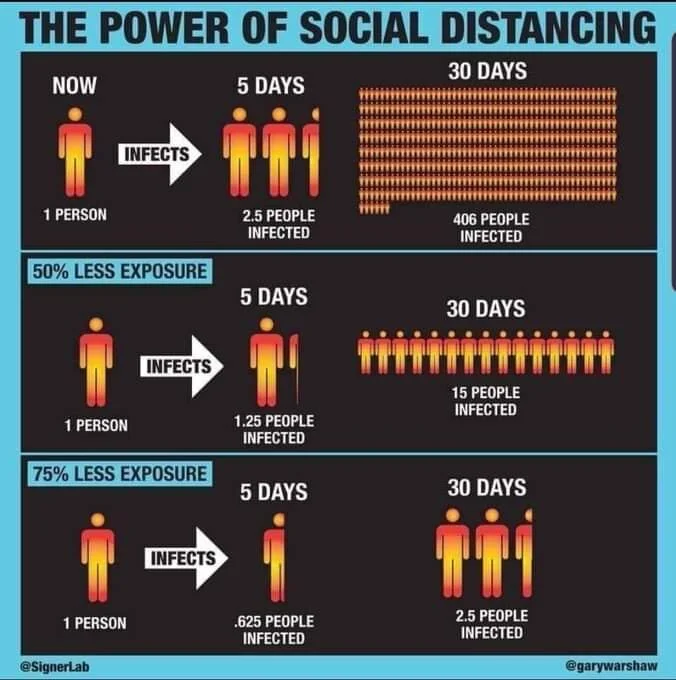
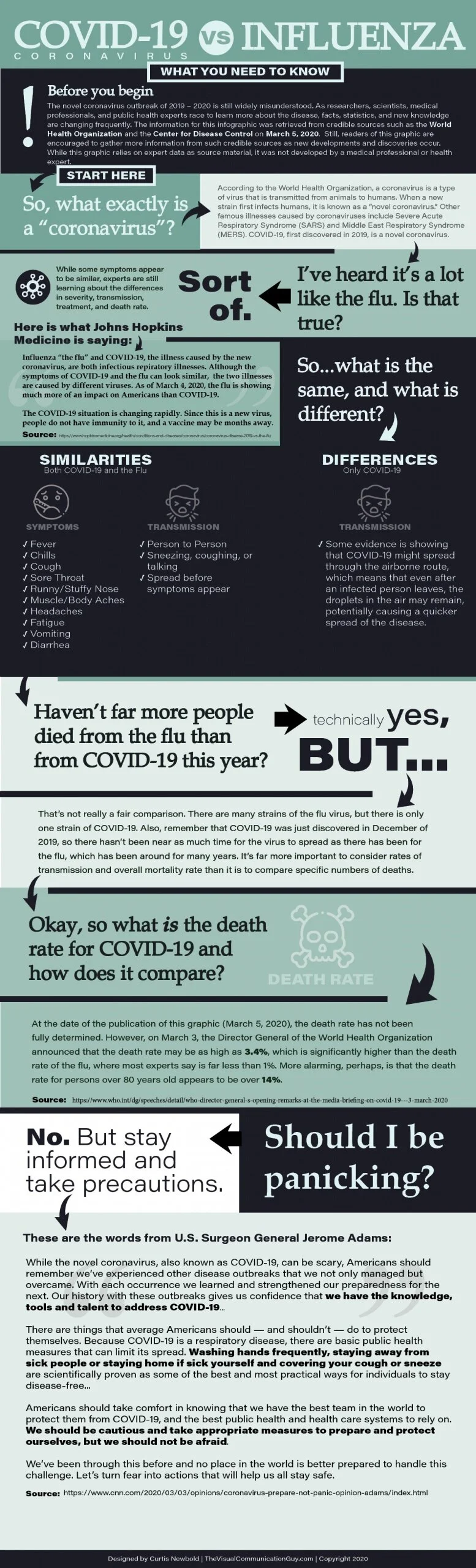
Regarding Positive Energy's Operations
We’re writing you today to express our sentiment of solidarity in these strange and uncertain times. Now is the time to stay informed and also to stay calm. We are confident that working together, as people who care deeply about the world, we’ll make it through this.
By Kristof Irwin and Diane Irwin
Friends, family, colleagues, and clients,
We’re writing you today to express our sentiment of solidarity in these strange and uncertain times. Now is the time to stay informed and also to stay calm. We are confident that working together, as people who care deeply about the world, we’ll make it through this.
Rest assured that our professional services will not be interrupted. Our investments in digital tools for workflow and sharing allows us to streamline the transition to working remotely. Both internal and external meetings will continue as normal via teleconferencing. Site meetings, construction observations and performance testing will continue while observing more space during conversation and no handshaking. Our aim is to help “flatten the curve” of this outbreak via social distancing practices.
This is an evolving situation and we'll update you as needed. If you have any questions about a project or our company operations and aren’t sure who to reach out to, please don’t hesitate to email us at info@positiveenergy.pro and we’ll make sure to get back to you with answers.
Sincerely,
Kristof & Diane Irwin

Viruses & Designing For Health Outcomes In Buildings
Now, more than ever, there is a tremendous amount of attention on how interconnected we are to our immediate environmental conditions (and to each other) as the spread of the Novel Coronavirus has reached a pandemic level. We were inspired by the recent NYT Opinion piece, titled “Your Building Can Make You Sick Or Keep You Well” by Dr. Joseph G. Allen, director of the Healthy Buildings program at Harvard T.H. Chan School of Public Health, and wanted to take a few moments to clue you into the way Positive Energy thinks about buildings, their mechanical designs, and the impacts of our design/engineering decisions on indoor air quality.
This article will be updated as new research findings emerge. Details and nuance may change as we strive to keep up to date with the latest science available. If you have any information sources you think would benefit this writing, please drop us a line and let us know.
By Kristof Irwin, Diane Irwin, and M. Walker
Now, more than ever, there is a tremendous amount of attention on how interconnected we are to our immediate environmental conditions (and to each other) as the spread of the Novel Coronavirus has reached a pandemic level. As of writing this, the President has declared a State of Emergency in the United States in response to the situation. We can confidently say it’s a serious public health crisis.

There are a great many resources out there about what you can do to prevent the virus’ spread in your daily lives, but rather than focusing on those here, we’ll point you in the right direction instead so we can focus on another perspective - the impact of building design/function on indoor air quality. The button below will take you to the Harvard Health Coronavirus Resource Center, which has loads of great practical information, FAQs, and other resources. If you have not already leveraged this resource, we highly recommend it.
In our own office, as have many other companies lately, we have instituted rigorous protocols for social distancing, hygiene, cancelling non-essential travel, and are encouraging virtual meeting for as many of our operational functions as possible. We’re even hosting our first ever virtual Building Science Philosophical Society meeting next week to keep everyone safe, but keep the monthly tradition going. We’re definitely still doing business designing great outcomes for projects, but we’re doing so as safely as possible.
More than anything, we want to give each of you a chance for calm. We will move forward together and continue to be a force for good and change in our world.
Designing For Health Outcomes In Buildings
We were inspired by the recent NYT Opinion piece, titled “Your Building Can Make You Sick Or Keep You Well” by Dr. Joseph G. Allen, director of the Healthy Buildings program at Harvard T.H. Chan School of Public Health, and wanted to take a few moments to clue you into the way Positive Energy thinks about buildings, their mechanical designs, and the impacts of our design/engineering decisions on indoor air quality. We are not claiming that any of the following suggestions will keep you or anyone from getting coronavirus, or any other pathogen for that matter. But we have a large body of epidemiological science - the study of public health and disease spread - to draw from in making good recommendations for healthier building outcomes. The information we’re presenting comes from relevant and peer reviewed epidemiological research and these data have long been guiding principles in our design practices. This is what the field of building science does well - taking what we know from multi disciplinary research bodies and creating applicable solutions for the real world to use in making better buildings.
Why this information, why now?
We are building science consultants. Our family, friends, colleagues and clients have been asking us about information that will help them reduce their exposures to pollutants, like viruses, in their homes, offices, and other indoor spaces. Our target audience is not other building scientists, but rather anyone who lives, works or spends time indoors. We’d like to communicate basic ideas about creating healthy indoor environments that people can remember and act on, rather than be comprehensive. Take these ideas and explain them to your mother, sister, brother, dog, etc. If they get it too, then we’ve all passed on some useful information and helped normalize these ideas.
We are the indoor generation. We spend most of our lives indoors. Just as fish spend their lives immersed in water, we spend our lives immersed in air. We spend our lives in fishbowls of our own making. This is particularly true for our homes and even more so for our bedrooms. We also spend our entire lives breathing!
“We breathe 12-16x/minute, 24/7/365 (30+ lbs per day)”
Unfortunately we typically don’t notice air because we can’t see it, but what you don’t notice does matter quite a lot. We know not to drink water from the rivers and streams in our cities, even if the water looks and smells fine. Air also has things in it that we can’t see or smell that are not healthy to take into our bodies, mainly by breathing.
What’s in our Fishbowl?
Many things are in our fishbowl and on the inside surfaces; some are living, some not. The particular indoor environments shape the impacts of these things in big ways.
Not living - Chemicals that come from what we do and what we bring inside our fishbowl
Cooking (e.g. bacon)
air “fresheners”
perfumes
scented cleaning products
that new sofa
rugs and carpets
etc.
Living – Creatures that also enjoy living inside, some we can see, most we can’t.
Can See
big dust mites
roaches
rodents
all the other hiding critters
Can’t see
viruses
bacteria
fungi
protozoa
archaea
etc.
Our Fishbowl Is A Microbiome
Let’s keep this simple. We all know Biology is the study living creatures. Microbiology is the study of living creatures that are too small to see with our eyes. Microscopic living creatures are called microbes. All living creatures live in certain habitats. The collection of living creatures in a certain habitat forms a biome. Microbes live in microbiomes.
Outside, we call this the outdoor microbiome, or “old friends” biome. Think fresh air, dogs, horses, goats, good old fashioned soil. It’s a healthy scenario generally speaking. Indoors, we call this the indoor microbiome. As you saw above, it’s where we spend a lot of time and it can be filled with some nasty stuff. Indoor and outdoor microbiomes have very different populations of microbes and our bodies generally do better with the outdoor microbiome. What’s really wild is that billions, even trillions of microbes live in and on our bodies. This is called the human microbiome. We need microbes to survive but they can cause us to get sick, or even die - the difference depends on the type of microbe and there are hundreds of thousands of types.

So What About Viruses?
Viruses, bacteria and fungi can all make us unhealthy in the right conditions. Viruses can make us sick (or worse) when they reproduce inside our bodies. In order to stay healthy we avoid exposure to them so that we don’t breathe them in or let them in by touching them and then touching our eyes, nose, or mouth
Avoiding exposure doesn’t seem complicated, but the truth can prove otherwise - just look around at the negative health outcomes of any viral outbreak. We want to have less of them around us and we want to keep them out of the air and off of surfaces. This is made complicated by the fact that viruses can survive several days at normal indoor temperatures (65-75F) and relative humidity levels (40-60%). They can survive in the air or on surfaces for weeks longer if the air is either extra dry (30% RH or less) or humid (70% RH or more).

But again, the core strategy is to keep viruses out of our air so they stay out of our sinuses, throats and lungs so we don’t get sick. Viruses move around when we sneeze or cough - they spray out (20’ or more) - then stay in the air, or land on surfaces and dust. They can move around when we do things that disturb dust like walking on carpet, vacuuming and sweeping. When we do these things and viruses are in the air on in our dust we will likely end up breathing viruses in because our bodies don’t filter our particles as small as most viruses.
As for the Novel Coronavirus specifically, let’s take a look back at Dr. Allen’s NYT piece we mentioned earlier:
Current guidelines are based on evidence that the virus is transmitted primarily through respiratory droplets — the large, sometimes visible droplets expelled when someone coughs or sneezes. Thus the recommendation to cover your coughs and sneezes, wash your hands, clean surfaces and maintain social distancing.
But when people cough or sneeze, they expel not only large droplets but also smaller airborne particles called droplet nuclei, which can stay aloft and be transported around buildings.
Previous investigations of two recent coronaviruses showed that airborne transmission was occurring. This is supported by evidence that the site of infection for one of those coronaviruses was the lower respiratory tract, which could only be caused by smaller particles that can be deeply inhaled.
This brings us back to buildings. If managed poorly, they can spread disease. But if we get it right, we can enlist our schools, offices and homes in this fight.
As of March 13th, a new report of findings by a research team at UCLA discovered that the Novel Coronavirus can live on certain surfaces, like stainless steel, for up to 72 hours in laboratory conditions. The same study found that the virus’ particles can remain viable floating in the air for several hours, which creates what’s called aerosolized transmission. What isn’t well understood yet in this research is exactly how many of those viral particles are necessary for an infectious dose, nor exactly how the virus will behave in non-laboratory conditions.
So what are some best practices we can employ in our buildings/designs to help keep indoor pollutants like viruses away?
Ventilation
Ventilation is crucial. Bringing in more filtered outdoor air in buildings heating/cooling systems (or opening windows in buildings that don’t) helps extract airborne contaminants from the building, making infection less likely. For years, we have been doing the opposite: sealing our windows shut and recirculating air. Just look at the residential code requirements for ventilation (or even scarier, look at the enforcement). The result are homes, schools, and office buildings that are chronically under ventilated. This not only gives a boost to disease transmission, including common scourges like the norovirus or the common flu, but can also significantly impair cognitive function.
If you don’t have mechanical ventilation in your home, make yourself a calendar reminder to open up the windows a few times per day/evening (whenever you’re home) for as long as you can. Obviously, depending on your climate this may prove difficult for thermal comfort or humidity introduction into your space, but still generally a good idea.
Back to the good Dr. Allen:
A study published just last year found that ensuring even minimum levels of outdoor air ventilation reduced influenza transmission as much as having 50 percent to 60 percent of the people in a building vaccinated.
Let that sink in.
Filtration
Keep viruses out of the air by using an appropriate type of filter. Especially for buildings without mechanical ventilation systems, or if you want to supplement your building’s system in high-risk areas, portable air purifiers can also be effective at controlling airborne particle concentrations. Most quality portable air purifiers use HEPA filters, which capture 99.97 percent of particles.
A HEPA filter lets air through but traps viruses (and other chemicals plus, bacteria, pollens and mold). Using a HEPA air filter connected to your central air/heat system can drastically decrease indoor air pollutants. This kind of air purification will reduce the viruses in the air, not just swoosh them around the room. However, remember that simply replacing a non-HEPA with a HEPA filter in existing equipment may worsen the problem. Make sure your system can accommodate the air flow needs of a HEPA filter. If your system can’t, you can explore a more decentralized approach through portable room air cleaners instead. Take a look at The Wirecutter’s recent review of portable room air cleaners for a pretty comprehensive list of consumer grade pieces of equipment you can buy online today.
Humidity & Temperature Control
Humans and viruses prefer different indoor temperatures and humidity to thrive. Use this to your advantage. Keep it dry. If you have a damp indoor environment due to the general climate, excessive cooking, washing, or bathing use a dehumidifier to control the indoor moisture. Keep it warm. Viruses thrive in cold environments. Setting your thermostats above 65 degrees will decrease the lifespan of most viruses.
And finally, we’d like to bring it back to Dr. Allen’s recommendations for operations:
Last, coronavirus may spread from contaminated surfaces — things like door handles and countertops, elevator buttons and cellphones. Frequently cleaning these high-touch surfaces can also help. For your home and low-risk environments, green cleaning products are fine. (Hospitals use E.P.A.-registered disinfectants.) Whether at home, school or the office, it is best to clean more often and more intensely when infected individuals are present.
Limiting the impact of this epidemic will require an all-in approach. With significant uncertainty remaining, we should be throwing everything we have at this highly infectious disease. That means unleashing the secret weapon in our arsenal — our buildings.
Remember that we’ll get through this. It’s an inflection point for us to realize how interconnected we are on the planet together. And remember, the same principles of design that create healthy buildings are almost always the same principals that create resilient, low carbon buildings.
Find your calm. Practice good personal, social, and building hygiene. Let’s use this new awareness to help us design better spaces to prevent future, potentially much worse outbreaks.
Background Sources
“Every Breath You Take,” Chemistry World
“Pollen Allergy,” Pollen.com;
“Molds in the Environment,” Centers for Disease Control and Prevention;
“Dust Mite Allergy,” Asthma and Allergy Foundation of America;
“Pet Dander,” American Lung Association;
“Pet Allergy,” American Academy of Allergy Asthma & Immunology;
“Air Pollution: Current and Future Challenges,” U.S. Environmental Protection Agency;
“Lead Air Pollution,” U.S. Environmental Protection Agency
“The Inside Story: A Guide to Indoor Air Quality,” United States Environmental Protection Agency;
“Life between Clocks: Daily Temporal Patterns of Human Chronotypes,” Journal of Biological Rhythms;
“The effects of bedroom air quality on sleep and next-day performance,” Indoor Air;
“Combined or multiple exposure to health stressors in indoor built environments,” World Health Organization;
“Report on the Environment,” United States Environmental Protection Agency

Make This The Last Year That AIA Awards Don't Require Sustainability
The AIA should absolutely follow the example that our UK counterparts have laid out and move our own awards programs toward one that measures multiple dimensions of quality and beauty. After all, if we’re not designing projects focused on sustainable outcomes, we’re not upholding our ethical duties as the design professionals who are responsible for managing many resources and their associated carbon profiles.
By M. Walker

© Glenstone Museum water court/ Photo Iwan Baan
We ran across this great article by Lloyd Alter, called “Make this the last AIA Awards where they don't consider sustainability” and couldn’t help but share it. It reflects a sentiment that really lends some teeth to the recent resolution by the AIA for “immediate and sustained climate action,” which culminated in the adoption of the COTE Top Ten Toolkit as the AIA’s Design Excellence Framework. These sweeping moves are great in theory, but in practice many AIA chapters across the country are still scrambling to make the new Design Excellence Framework a part of daily architecture practice by their membership.
One really compelling way to encourage adoption is to require that the new framework is used for awards and homes/building tour submissions. From the article:
“The American Institute of Architects (AIA) just released their list of winners of the 2020 AIA Awards, which “celebrates the best contemporary architecture regardless of budget, size, style, or type. These stunning projects show the world the range of outstanding work architects create and highlight the many ways buildings and spaces can improve our lives.”
Last year, I suggested that these awards should be scrapped, and that they should just do the Committee for the Environment (COTE) awards, suggesting that “if a building doesn’t meet these basic and necessary criteria, it doesn’t deserve an award.” Meanwhile, the Royal Institute of British Architects is going this route, and has just announced that all entries for their awards (which include the Stirling Prize) have to be ‘environmentally sustainable’. You don’t even get considered for the shortlist if you are not. ”
The AIA should absolutely follow the example that our UK counterparts have laid out and move our own awards programs toward one that measures multiple dimensions of quality and beauty. After all, if we’re not designing projects focused on sustainable outcomes, we’re not upholding our ethical duties as the design professionals who are responsible for managing many resources and their associated carbon profiles.
Check out Lloyd’s article and let us know what you think.
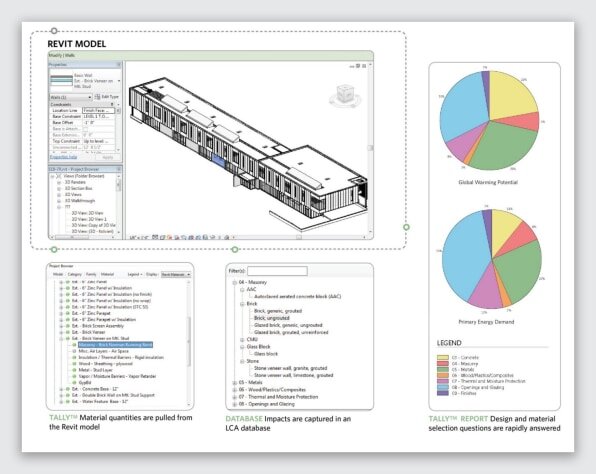
"I’ve been polluting the planet for years. I’m not an oil exec—I’m an architect"
A fantastic article by Stephanie Carlisle of KieranTimberlake on the role of architects in curbing the AEC industry’s impact on climate change.
By M. Walker
I wanted to take a moment to share with you a fantastic article about the Architect's role in curbing climate change, written by Stephanie Carlisle of KieranTimberlake (btw they created the Tally plugin for Revit, which is a great LCA tool). Her piece is thoughtful, timely, and very insightful. I've compiled a couple of quotes here for digest, but I highly recommend the read.
“We have 10 years to radically decarbonize the building industry. Think hard about what that really means. We have a decade to fundamentally reshape our global economy. Fifteen years ago, we needed exemplary projects, to build capacity in our industry, to increase carbon literacy, to educate our clients. We needed case studies to show that net zero-carbon projects were possible. I’m sorry to say that we’ve basically squandered those years. Now, we need every project to dramatically reduce emissions if we are to stand a chance of meeting global carbon goals and averting the catastrophic effects of a 2º future.”
“So, what is the role of the designer in tackling carbon emissions? The goal is not to transform architectural design into an act of analysis. The real work now is to figure out how to make carbon assessments part of ethical and inspired design practice. The practice of architecture is already overburdened with modeling and simulation, with litigation, and with cost-cutting. However, I would urge every designer to consider that by failing to connect your concern over climate change to the impact of your day-to-day work, you are already expressing your values. You’re already saying that this is an issue that you don’t really care about at all. Climate change cannot simply be an issue we talk about only when it is convenient.”

Snapshot from Tally
I am, as I'm sure many of you are as well, very interested to see how the next 10 years will play out across the country as the AEC industry begins to reconcile with its need for sustainable design and high performance outcomes. But even if the largest firms in the country didn't care about the physical realities of climate change at all, there's still a strong business case to be made for implementing sustainable practices. The investment markets have already signaled they're taking climate risk into account (i.e. BlackRock just instituted a company-wide climate risk adjustment/divestment for all $7 Trillion in its portfolios) so it's only a matter of time before we see this manifest in the building markets. Real estate tends to follow financial services trends and one of the most major players in finance just started talking about a new language of accounting for their clients' investments that calculates the climate impact of an asset.
Those who are ahead of the curve are already there. The question now is who will get left behind.
Demystifying Heat Pumps
Heat pumps are so common in our lives that we ordinarily fail to notice them. That said, if you live indoors chances are that you interact with a heat pump every day. This is because that refrigerator in your kitchen is a heat pump. Do you trust it to do its job reliably? Generally speaking, refrigerators are not all that exciting. They just do their jobs day after day. Like all machines, they can and do fail over time but overall your refrigerator is solid. In my own home I’ve replaced the dishwasher twice but still have the same fridge keeping my food fresh and ice frozen after 20 years. This reliability is due to the fact that at the core of your refrigerator are simple, reliable, inexorable laws of physics.
By Kristof Irwin, P.E., M. Eng.
Heat pumps are so common in our lives that we ordinarily fail to notice them. That said, if you live indoors chances are that you interact with a heat pump every day. This is because that refrigerator in your kitchen is a heat pump. Do you trust it to do its job reliably? Generally speaking, refrigerators are not all that exciting. They just do their jobs day after day. Like all machines, they can and do fail over time but overall your refrigerator is solid. In my own home I’ve replaced the dishwasher twice but still have the same fridge keeping my food fresh and ice frozen after 20 years. This reliability is due to the fact that at the core of your refrigerator are simple, reliable, inexorable laws of physics.
The fact that heat pumps remain a mystery is a mystery. Perhaps it’s a cloaked sales strategy to keep us just slightly confused, so that we put more trust in sales rhetoric than we otherwise would. Or perhaps it’s because we’re somewhat intimidated to try to understand them. Regardless, over time it’s become clear to me that many decision makers are not sure what a heat pump is, how they work, and whether they trust them or not.
This is a shame and, increasingly due to the need to reduce carbon emissions, a rather pressing area of societal confusion to clear up. The goal of this series is to explain what heat pumps are, why they matter and how they do what they do. After that we are then ready to go over a few of the more important types of heat pumps used in our homes to keep our families warm in the winter and cool in the summer. The underlying goal of this series is to support clear thinking in order to help us make good decisions both as homeowners and industry professionals.
Why Heat Pumps Matter
Heat pumps matter because they are able to harvest otherwise unusable or waste heat in our environment and refine it into high quality thermal energy. By otherwise unusable or waste heat in our environment, I'm referring to the thermal energy contained in the air, ground water or the earth itself. These energy sources are capable of being used to heat or cool our homes and buildings, create hot water, and keep our food cold and fresh. We unlock these energy sources using electrical energy to run compressors, pumps and fans.
You don't get something for nothing with a heat pump, but you can get more energy out than you put in. And not just barely more out than in, it is common for us to get two to fives times more useful work out of our heat pumps than we put in. This is one core reason why heat pumps matter.
Contrast this to the false economy of fuels that we burn and use up forever. When we run our natural gas furnace or water heater the best we can do is get all of the energy out that we put in; in that case we'd be 100% energy efficient. Operating near 100% efficiency sounds great, until you remember that heat pumps routinely operate at site energy efficiencies in the 200% to 500+% range. High site COPs are important because of the energy losses involved in source energy generation and distribution. When these Source-Site energy losses are accounted for, only heat pumps are able to remain above a COP of one (1). COPs below one tell us that we are either needlessly using up fuels forever or taking a net loss on the transaction, or both. Table 1 below lists common Site COPs and also Source COPs that have been adjusted by US average site-source multipliers..
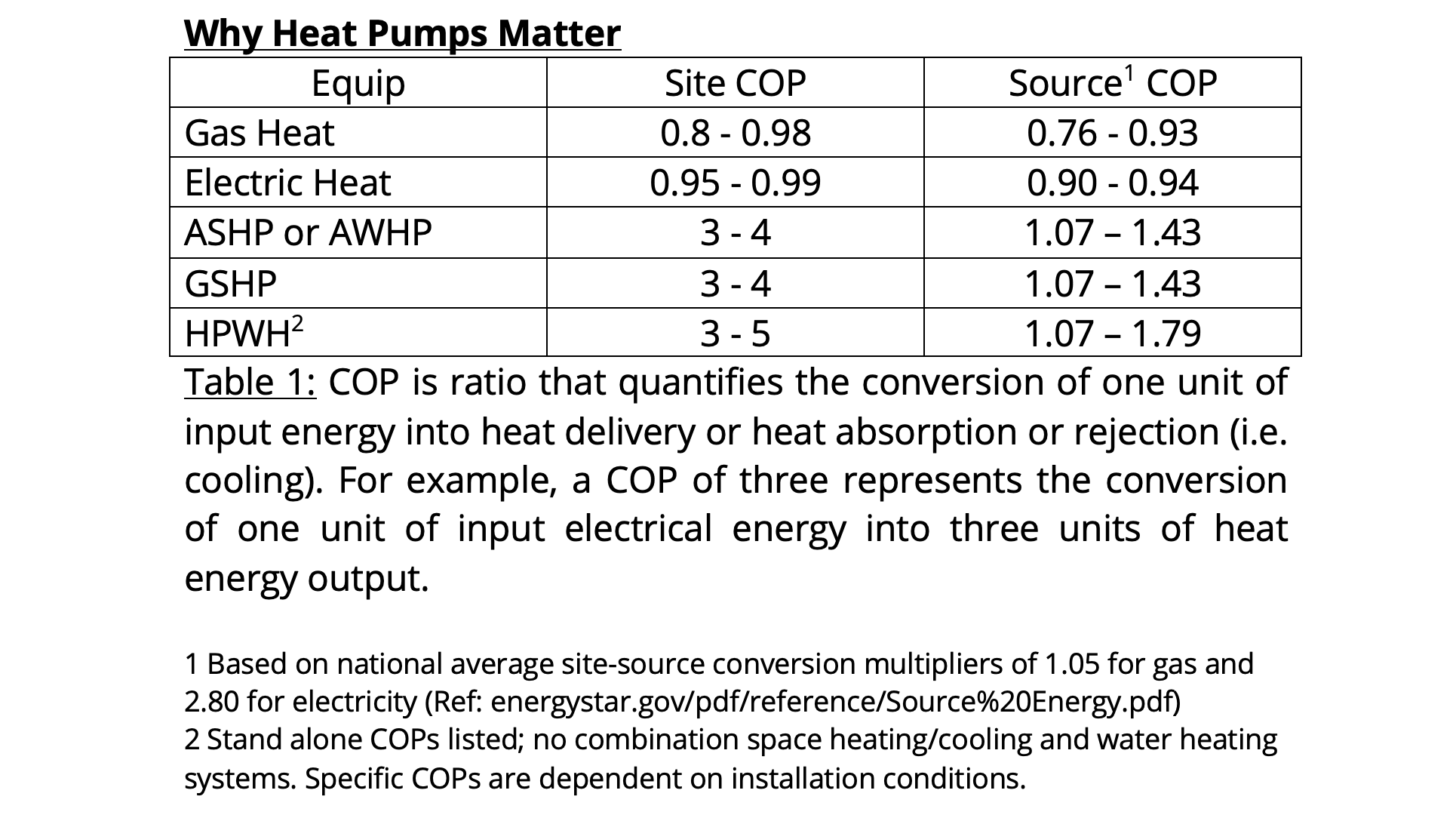
An unfortunate reality is that when we burn a fuel we are not only using the sky like a free public sewer, we are also destroying a high-grade heat source. Thinking a layer deeper, we are destroying this high-grade heat source in order to meet a low-grade heating demand. For example, in the case of natural gas water heaters or furnaces, we use a flame (a powerful exothermic oxidation reaction) that exists at a temperature of around 3500F to simply heat water to 120F or air to 70F. This huge temperature mismatch situation gets only slightly better when we cook with gas to heat our food to around 400F. Yet the phrase “cooking with gas” is considered an accolade. How does that make sense? How are we doing as consumers of technologies for our homes? Are we paying attention and making sound decisions?
Future generations may go looking for high-quality, lightweight, portable, energy-dense, high temperature, process-grade fuel sources only to learn that we burned them all up to satisfy stationary low-grade, low temperature applications. This is the textbook definition of an exergy inefficient process. That is not a misspelling, we are all familiar with energy and the related term exergy is one that needs to become just as familiar.
Exergy is important because it represents the capacity to do useful work. Work in this context means the capacity to make things move. One could make the argument that the nature of fuels to be compact and lightweight relative to their energy density makes them undeniably useful for transportation applications. Or further that switching from coal powered electrical generation to natural gas is a step forward and good use of the resource. Still in both cases burning fuels, long term, there are clearly better options.
Exergy is what we waste by destroying it forever, when we burn a flame at 3500F to meet the need of heating needs of our homes. Exergy may tend to sound nerdy, complicated and intimidating but it's a simple concept. If you would not use an excavator to plant your tomatoes, or a fire hose to rinse your dishes, or a flame thrower to light your campfire, then you can relate to exergy efficiency.
Beyond either energy or exergy efficiency is the profoundly significant fact that we need to stop, or substantially and rapidly reduce, the burning carbon emitting stuff to run our global economy. It's impossible to overstate the urgency of this fact. It's like we're all part of a massive carbon burning stampede and no one understands why anymore, only that it's been normal for a long time; ever since we invented fire. We burn fuels so chronically and habitually that it goes invisible – at least psychologically; the impacts of carbon in the atmosphere are plain to see with just a little attention to the world around us.
Fortunately we, as a global society, are also engaged in a starting new stampede. This one is an inexorable by-industry, for-profit, market transition toward basing our global economies with clean renewable energy and distributed energy storage. There are several promising electrons-to-molecules research efforts aimed at carbon free, even carbon-negative, fuel production using excess renewable energy. The common feature to all these scenarios is that our economies rely solely on electrical energy and the tie in here being that heat pumps run on electricity. Heat pumps can cool us off in the summer, warm us up in the winter, heat or cool water for us to drink, swim or bathe in; they can also dry our clothes and keep our food fresh and frozen. Now is the time to pay attention to heat pumps in our everyday lives.
This post is meant to be a conceptual primer. Re-read if necessary and we’ll talk more about the graphic below, as well as a lot more detail on heat pumps in part 2. Thanks for reading!
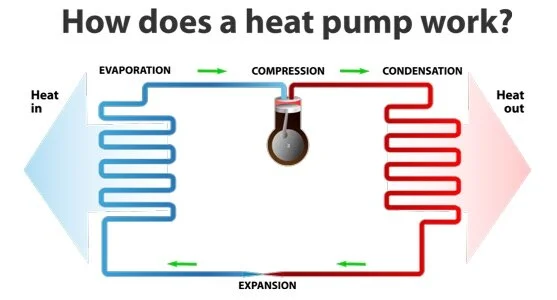

Have we reached peak spray foam?
Are we currently experiencing peak spray foam? As of this writing in December 2019, foamed plastic insulations have become defacto norm in our industry here in central Texas, but market forces and societal goals may be aligning to bring that reality to an end.
By K. Irwin
Are we currently experiencing peak spray foam? As of this writing in December 2019, foamed plastic insulations have become defacto norm in our industry here in central Texas, but market forces and societal goals may be aligning to bring that reality to an end.
Perhaps the largest shift is due to the ongoing flux in the business models of the oil majors. The payback for renewable energy is rapidly decreasing as the fixed costs for materials and installation continue to drop. Meanwhile the marginal costs are essentially zero, as the sun and wind don't ever send us a bill. Nor do they have the powerful negative externalities (1) associated with the production of fossil fuels and intensive energy inputs and processing required by the petrochemical industry. As the electrification and transportation are moved to a clean energy economy, the market for polluting fossil fuels shifts radically for the oil majors as their stranded assets (2) portfolios increase.

A second market force impacting foamed plastics is the growing consumer awareness that homes are powerfully impactful to the health of the family. Homeowners are increasingly recognizing that they live in immersed in a fishbowl of air in their homes, and that air enters their lungs and blood with every breath. There is no way around the fact that spray foam installations turn the home into a chemical manufacturing plant during insulation. There is a lot to say about this topic and whether foamed plastic insulations are negatively impactful for occupant health or not. At this point what is know is that: 1. there are cases where for certain occupants there is a negative impact; and 2. there are an ever-increasing number of viable options for effective insulation and air sealing products. Given these two facts many owners adhere to the precautionary principle 3 and choosing to not use foamed plastic insulations in their homes when given the choice.
Finally, our society is grappling with the reality that when it comes to homes and buildings we don't think about energy properly. Most of the time anyone in the AEC (architecture, engineering and construction) industry uses the word energy, they're only referring to operational energy. Properly considering energy means taking into account the fact that it takes a lot of energy just to cause a home to exist. The embodied energy of foamed plastics is substantially higher than for natural, or post-consumer waste, insulation materials.

Oil fields at sunset. Photograph or metaphor?
Whether we are now at peak spray foam or not is something that only time will tell. Broadly speaking we know that eating junk food damages our health but we still do it. We know that treating the sky as a free public sewer has negative externalities, but we still do it. The fact that better options exist, does not mean that they will emerge via market forces. What is more significant is that the market and societal forces appear to be offering a path forward that supports multiple simultaneous positive outcomes that support a healthy biosphere for us to build our homes and live our lives within.
For more technical information on SPF insulation and to help you make your own determinations about its efficacy, applicability, and future, see PHIUS’ classic resource, Spray Polyurethane Foam Insulation and Passive Houses.
1 A negative externality is a damaging effect of a product or process that does not lead to a cost to the producer. Even though potentially grave damage to the earth's biosphere occurs, this cost is externalized and does not impact the economics of production.
Think about Big Tobacco prior to the recognition that smoking causes cancer. In the case of the petrochemical industry, billions of dollars have been spent since the 1970's to support disinformation campaigns regarding the effects of production on planetary ecosystems (significantly the planet's water cycle). Further hundreds of millions of dollars have been spent opposing any Republican politician who dared cross the big oil lobby. Fifty years later, the majority of Republican politician's (and voters) don't even realize that they have been subjected to disinformation and psy-ops1B.
1B Psychological operations (PSYOP) are operations to convey selected information and indicators to audiences to influence their emotions, motives, and objective reasoning, and ultimately the behavior of governments, organizations, groups, and individuals.
2 A stranded asset is a financial term that describes something that has become obsolete or nonperforming well ahead of its useful life, and must be recorded on a company's balance sheet as a loss of profit. A couple of examples are: (1) costly coal-burning power plants that can be run profitably without huge government subsidies; (2) oil fields that will never be developed because it makes more economic sense to leave the oil in the ground than to pump it out and sell it for a loss.
3 The precautionary principle (or precautionary approach) generally defines actions on issues considered to be uncertain, for instance applied in assessing risk management.[1] The principle is used by policy makers to justify discretionary decisions in situations where there is the possibility of harm from making a certain decision (e.g. taking a particular course of action) when extensive scientific knowledge on the matter is lacking. The principle implies that there is a social responsibility to protect the public from exposure to harm, when scientific investigation has found a plausible risk. These protections can be relaxed only if further scientific findings emerge that provide sound evidence that no harm will result.
The Return of Function
This article, published in Texas Construction News, proposes that the current industry focus on sustainability can be contextualized as part of a long term arch toward the reunification of form and function in architecture.
By Corey Squire
Architecture has always been about uniting form with function. The architectural maxim, “Form follows function” was coined by Louis Sullivan in the late nineteen century, but he was just re-popularizing a concept going back Millenium to Virtruvias’ three essential qualities of architecture; firmitas, utilitas, venustas. The concept of form following function makes sense. Designing and constructing a building is a time-consuming and resource-intensive endeavor. After all that effort, clients want something that looks great while serving their needs, even those needs they haven't yet anticipated.
A greenhouse is a building type that embodies the unification of form and function
Sometime in the 20th century, there was a breakdown of the relationship between form and function. Technological optimism led to the international style of architecture and its emphasis on form. The introduction of inexpensive electric light bulbs divorced the form of a building from its ability to provide occupants with light. This led to deeper floor plates and lower ceilings. The introduction of air conditioning divorced the facade materials and orientation of a building from its ability to provide thermal comfort, resulting in expansive glass curtain walls. New advances in technology seemed limitless and since electricity would cover the functional aspects of a building, architects were freed to focus purely on form.
Though the international style came to an end in the 1970s, many elements of the movement remain entrenched in today’s architectural practice. While no longer seeming limitless, electricity is still leaned on by architects to solve problems that would be better addressed through design. This attitude seems to finally be coming to an end as three broad societal trends are leading to the reemergence of function as central to good design. The first trend is cheap and easy access to information on the outcomes of architectural design. In the past, a client who expected high-quality, healthy indoor air would have no way of determining whether or not this outcome had been delivered. Today, anyone can buy a home air quality monitor for less than 100 dollars. Foobot, one manufacturer of these monitors, uses the slogan, “See what you breath”. This could not be closer to the point, the democratization of information allows clients to “see” aspects of architecture that were previously invisible. How a building performs on air quality, energy conservation, occupant health, resilience, and many other formally invisible attributes of design will now be just as visible as the building’s form.
The second trend is a shifting expectation of design in consumer products, both in terms of how they look and the personal benefit they provide. Tesla is an example of how this industry has fully embraced a reunification of form and function. Tesla doesn't ask consumers to choose between an aesthetically beautiful option and a high-performance option, as clients often feel they must. The Tesla’s form was fine-tuned for aerodynamics in a wind tunnel, meaning that the same design moves that lead to the sleek appearance also reduce drag, conserves energy and extends the battery range. On top of this, Teslas have proven especially safe during crash testing and HEPA filters keep cabin air clean by filtering out road pollution. In the recent past, architecture rarely reached this level of system integration, with equal attention paid to beauty, health, and efficiency. These multiple integrated outcomes are demanded by consumers in other industries. Clients are beings to expect holistic performance from architecture as well.
Finally, the last trend is a universal recognition that the climate is changing and that the impacts, both expected and unexpected will continue to be felt by everyone in the short term. Recent examples include a record high temperature of 108 degrees Fahrenheit in Paris in the summer of 2019, a city where less than 10 percent of households have air conditioning and, during the writing of this article, a tropical storm is forecast to make landfall in Ireland. The built environment needs to perform the same functions that we expect today into an increasingly uncertain future. High summer temperature, droughts, extreme rainfall events, smoke, and utility grid shortages are coming with increasing frequency. Clients expect their architects to consider these challenges and design in resiliency features, whether they were explicitly asked for or not.
The AIA has been leading on this issue nationally. This past September, The AIA Board of Directors unanimously adopted a new “Framework for Design Excellence” that encompasses ten equally important measures, including Design for Economy, Design or Energy, and Design for Change. In the past, these efforts were categorized under “sustainability”, a catch-all phrase that can be politically charged. Today, topics like energy conservation, indoor air quality, and resiliency can be broadly defined as the return of function as an essential element of design excellence.
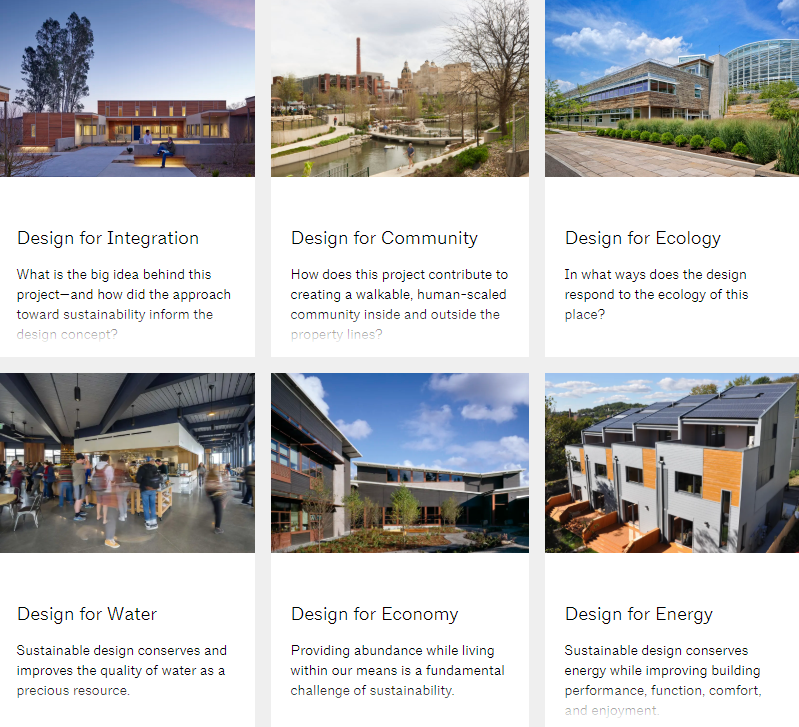
Resolution for Urgent and Sustained Climate Action | Discussion and Information Session
Join us for a conversation about the AIA’s shift in focus toward combatting climate change. The session will be co-led by Betsy Del Monte, the resolution's sponsor and a member of the AIA Strategic Council and Corey Squire, the lead author the COTE Toolkit. They both currently sit on the AIA National Committee on the Environment Advisory Group.
Discussion and Information Session, Austin TX
This past June, a resolution demanding that the AIA take a leadership role in the national discussion around climate change was brought to the convention floor and passed with the 97% of the membership voting in favor. In a show of support of this grassroots effort, the AIA Board of Directors voted to approve the resolution at their summer meeting and in doing so, formally adopted the COTE Top Ten Framework as the new AIA Framework for Design Excellence.
This discussion and information session will break down the three elements of the resolution and explore what this new direction from national means for the day to day practice of architects here in Austin and around the country. We're hoping for representatives from all Austin Architecture firms to come take part in the important discussion about the future of our profession.
The session will be co-led by Betsy Del Monte, the resolution's sponsor and a member of the AIA Strategic Council and Corey Squire, the lead author the COTE Toolkit. They both currently sit on the AIA National Committee on the Environment Advisory Group.
Light refreshments will be provided
Date: October 16 @ 4:00pm
Presenters: Corey Squire, AIA and Betsy Del Monte, FAIA
Location: Positive Energy - 1114 S. 1st Street
A Note On Parking
Our parking lot is very small and we do not recommend parking in it given how quickly it fills up and how difficult it is to get back out onto South 1st. We also prefer saving those spots for those with mobility needs. If possible, please use public transportation, walk, or bike. There is ample street parking on Gibson and on 3rd Streets, just a short walk away. If you park on 3rd/James, you can enjoy a nice jaunt through the park, which is beautiful and shaded. Please do not park in the El Mercado lot as they’ll tow you and everyone will feel bad. If you are in need of mobility assistance, please get in touch with us and we’ll make sure you have a spot in our very small parking lot.
Please park on either Gibson or 3rd Streets and enjoy a nice walk through the park to arrive at our office. Do not park in the El Mercado parking lot as they will certainly tow.

AIA: Where we stand: climate action
The American Institute of Architects has released a five-point action plan for climate change after announcing it a "critical issue" for the architecture profession. AIA unveiled the Where We Stand: Climate Action plan on Monday 16 September following the announcement of its initiative to drive climate action on 5 September.
Climate change is everyone’s crisis, and architects are uniquely positioned to help solve it. The American Institute of Architects (AIA) calls on architects around the world to support humanity’s collective call to climate action through an unrelenting commitment to sustainable and resilient design.
In the US alone, nearly 40 percent of greenhouse gases can be attributed to carbon produced by buildings during construction and everyday heating, cooling, and lighting. Rising sea levels, extreme weather events, and the degradation of natural resources are a direct result of increased carbon levels, which threaten national security and global economies. They disrupt the balance of ecosystems and undermine public health. They threaten to transform our planet irreparably and compromise our future.
Designing and constructing buildings that diminish greenhouse gases are architectural imperatives. Designing and constructing buildings that support health, safety, and welfare are ethical imperatives. In short, designing and constructing buildings that can combat the greenhouse effect will improve our chances of repairing our planet while creating a healthy, resilient, and regenerative future.
As a profession, we have the responsibility to prioritize and support effective actions to exponentially decelerate the production of greenhouse gases contributing to climate change. Our goal, as set forward by AIA and partners like Architecture 2030, is net-zero emissions in the building sector by 2050.
It is our responsibility to work globally to help reduce operational and embodied greenhouse gas production with passive design techniques, employ energy efficiency measures, adapt existing buildings, and specify low-impact building materials that increase human health and productivity while withstanding the effects of a changing climate.
It is our responsibility to make the business and financial case to clients to help them better understand and support the need to integrate renewable energy sources into all buildings, making them more sustainable, resilient, and economical.
AIA is dedicated to climate action and is committed to the following steps:
AIA ratified the Resolution for Urgent and Sustained Climate Action and has adopted the Framework for Design Excellence. AIA is now creating a plan for the organization that will shift a significant portion of its work to climate action.
AIA is developing the necessary resources to prepare architects to achieve a zero-carbon, resilient, and healthy built environment.
AIA will continue to offer the AIA+2030 certificate to support firms pursuing zero net carbon design through the 2030 Commitment. It also will continue its education series, “Resilience and Adaptation,” a certificate program highlighting best practices for mitigating climate and hazard risk. AIA will push for greater materials transparency and ethical sourcing through its “Materials Matter” initiative, and AIA will expand its energy series, which educates architects on energy modeling, net-zero design, and climate considerations. Finally, AIA will establish meaningful partnerships with building product manufacturers and industry allies with a voice on the built environment to increase environmental stewardship by all stakeholders, as well as the affordability and availability of carbon sequestering materials for the built environment.
AIA is spearheading changes to building codes and materials guidelines in the public and private sectors.
AIA is working with building code officials worldwide to implement the recommendations (and elevate code stringency) of the 2019 report from AIA’s Blue-Ribbon Panel on Codes and Standards, Disruption, Evolution and Change: AIA’s vision for the future of design and construction. This publication calls for the nimble development, adoption, and enforcement of comprehensive and coordinated building codes that mandate carbon-efficient design and construction. AIA is actively advocating for full adoption of zero net carbon energy codes at the International Codes Council (ICC), state, and local levels.
AIA will partner with policymakers and allies to expedite policy and practice resources that effectively address climate change.
AIA is a stakeholder in the newly announced Congressional initiative to achieve a net-zero carbon future for the United States. The House Energy and Commerce Committee has announced its commitment to this ambitious goal that will affect future legislation. The goal is to achieve net-zero-percent carbon pollution and 100 percent clean economy by 2050. AIA is working in partnership with committee members to shape legislation to achieve these goals.
AIA will activate its 94,000 members to vigorously advocate for policies that promote resilient design and dynamically curtail buildings’ harmful impact to the climate.
Together, we can hold elected officials accountable through the power of our association and the strength of our conviction. Climate action requires changes to public policy targeting existing commercial and residential buildings, and a mandate for higher standards in future construction. In the US, approximately 95 percent of all buildings are more than a decade old. Of all US commercial buildings, 82 percent were built before 2000, prior to modern versions of building energy codes governing their design and construction. AIA will advocate both domestically and internationally to build support for policies that increase all buildings’ ability to withstand extreme weather, perform efficiently, use renewable energy, and decrease reliance on fossil fuels. To that end, AIA has partnered with the US Conference of Mayors and Climate Mayors to address local sustainability and resilience efforts and is participating in the United Nations Summit on Climate Change. Finally, AIA will lobby for creating and expanding historic preservation tax credits to promote the reuse of safe buildings and reduce the carbon footprint of new construction.
This statement was published September 16, 2019. View all Where We Stand statements >
Lake|Flato, Risinger, Positive Energy, & Bensonwood
We recently took a detour from the esteemed Westford Building Science Symposium, aka “Building Science Summer Camp,” to visit our friends at Bensonwood in New Hampshire.
We recently took a detour from the esteemed Westford Building Science Symposium, aka “Building Science Summer Camp,” to visit our friends at Bensonwood in New Hampshire. Currently, our office is working alongside Lake|Flato and Risinger & Co. to design and build some creative, beautiful, innovative, and healthy homes using Bensonwood’s incredible production process. We were able to tour with both Lake|Flato and Risinger’s team last winter sans Mat, but luckily got to have him join us for our summer tour.
If you’ve never heard of Bensonwood before, you’re missing out. You can say that Bensonwood’s history began with New England’s building history. The pioneers of this region created durable, honestly-crafted buildings framed in heavy timbers, and held together by mortise-and-tenon joinery. This timber frame form of construction was dominant in buildings in America until the late 1800s. After that, new building methods, the westward expansion and the increasing need to build quickly, slowly led to the demise of the timber framing craft in this country.
In 1974, Tedd Benson became intrigued by these remarkable timber-framed houses and barns — many of which had stood for more than two centuries. Impressed with the durability and beauty of these structures, Tedd worked to revive the ancient craft of timber framing for contemporary homes using modern tools and methods.
His passion for timber framing quickly got the attention of the region’s dedicated woodworkers, and he formed Benson Woodworking Company. Together, Tedd and his co-workers refined the forgotten craft of framing buildings with heavy timbers for modern living. The collaboration of this group led to a series of innovative ideas; many of which are still being used today at Bensonwood. And as the company has grown, the relentless drive and enthusiasm to create better building strategies have continued.
These days, Bensonwood is producing very precise off-site panelized assemblies that get turned into buildings. You can take a Revit model and Bensonwood can turn it into a built reality, which takes the time it takes to dry a house in from a few months to a couple of weeks. It’s remarkable and, in many ways, the future of buildings.
Check out Matt’s video for more details!
Pics From Both Our Summer & Winter Tours


Ted Benson showing us how window installations work in the factory.