
Electrification, Renewables, Storage, & Electrical Engineering
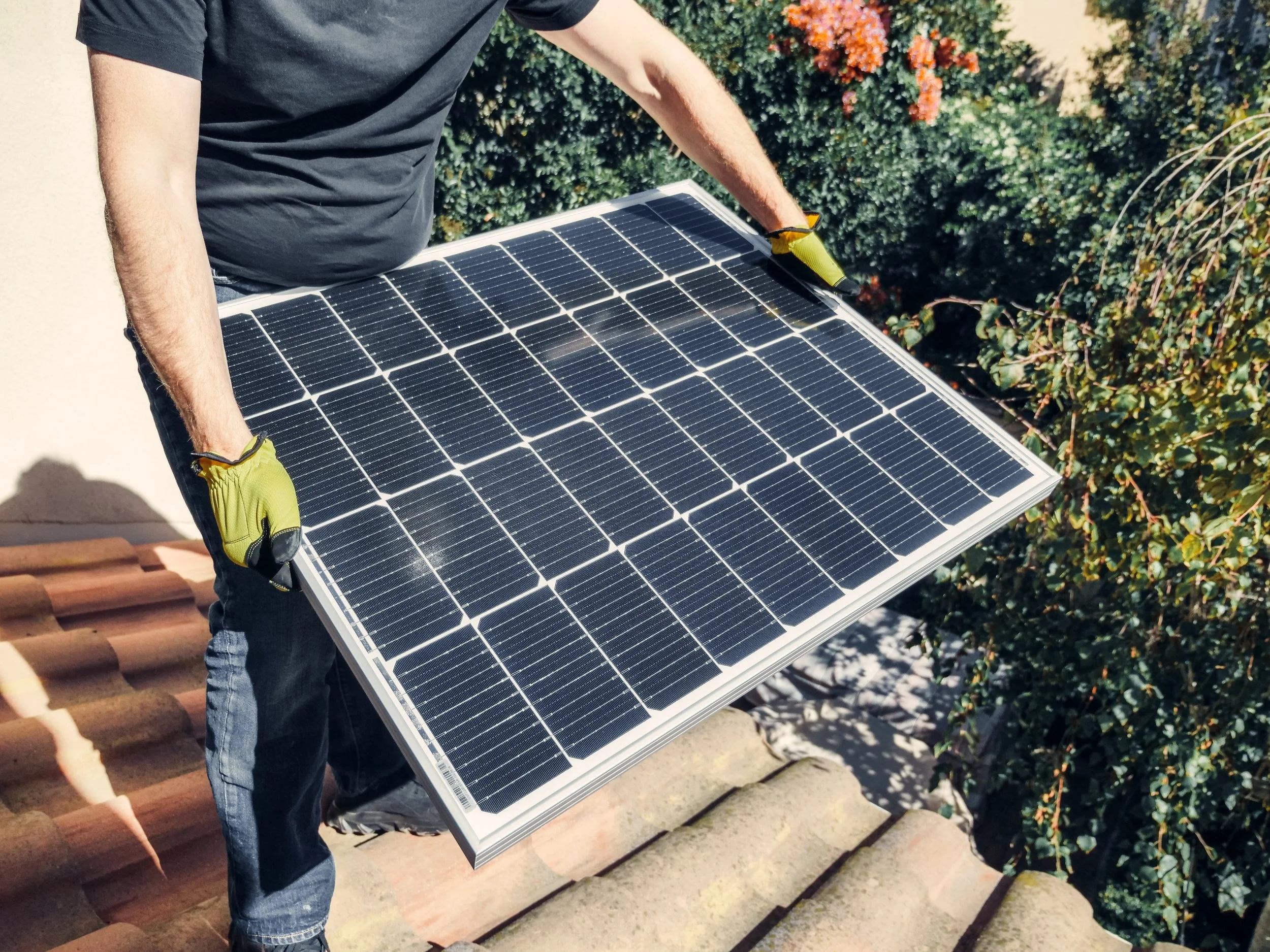
How We Electrify
Electrification happens through changing the way we heat air and water in our buildings, the motors that move our cars and trucks, and the way we generate and use electricity. It does not change the way that we cook, clean and drive. We still have all the amenities of modern life. We also have abundant, reliable, inexpensive energy.
The decisions that move society forward are made by families and individuals as they navigate their daily lives. Decisions on what car to buy, how to best heat and cool their home, and how to heat water for bathing are central to making electrification happen. When owners move toward vehicles with batteries and electric motors instead of fossil fuels and combustion engines, they have high performing transportation, with lower total costs of ownership and lower day to day fuel costs. When a heat pump is installed instead of a furnace, or a heat pump water heater instead of a gas water heater, electrification happens.
The key point is that at the end of the day, owners still have a house that’s warm in winter and cool in summer, they still enjoy a kitchen where they can cook and gather for meals, and plenty of water for long hot showers. Additional upsides of electrifying homes are quiet and reliable systems, cleaner indoor air, and lower energy bills.
A key obstacle to making electrification happen is urgency. Most appliances and HVAC systems are replaced under duress. Whether it is the air conditioner, furnace, water heater, range or washing machine — when it is not working owners want it fixed right away. Unfortunately in many situations, “right away” means whatever is cheapest and quickest and this means doing what was done in the past. This means that consumers are not thinking about the long term cost savings and performance benefits of transitioning to electric. To counter this force of traditional practice we need to pay attention, learn about our options, and clearly understand the upsides of an all electric home – lower bills, healthier indoor air and use of clean energy sources.
One household at a time, with more and more converting to electric cars, appliances and equipment is how this happens. Electrification of society involves doable action, happening over and over. To future proof our homes and communities we need to electrify: 250 million vehicles, 70 million propane furnaces, 60 million natural gas furnaces, 10 million oil heater and oil boiler furnaces, 20 million natural gas dryers, 35 million natural gas stove ranges, 6 ½ million gas cooktops, and 2 million gas ovens, hot tubs, and swimming pools.
By electrifying all these systems we make a positive impact in our lives and on the environments we live in.
An Electrified Home

Electrification starts at home. The home is central to how people live and take care of themselves. It is where families and friends come together and share different ways of life. Electrification brings benefits to both homeowners and home developers because of changes to internal systems, the savings it generates, and its ability to create healthier living environments. These benefits show up as:
Environmental Benefits: Electrifying homes reduces greenhouse gas emissions, as electricity can be generated from renewable sources such as solar, wind, or hydropower. Eliminating the need for fossil fuels in daily life also reduced associated mining, leakage and pollution. An all electric home promotes a cleaner, sustainable environment as it eliminates the use of fossil fuels and emissions in cooking, heating, and transportation.
Improved Indoor Air Quality: Fossil fuel-based appliances like gas stoves and furnaces directly release pollutants such as carbon monoxide, nitrogen dioxide, and volatile organic compounds into the indoor air of the home or building. By switching to electric appliances these sources of indoor pollution are removed, leading to better air quality and a healthier living environment.
Energy Efficiency: Electric appliances, such as heat pumps, electric heat pump water heaters, and induction cooktops, are more energy-efficient compared to their fossil fuel counterparts because they waste less energy and heat when providing their service. Heat pump-based heating and cooling generate two to five times more energy than put in to make them operate. With gas there is always fuel destroyed, heat wasted, and pollutant emissions. Combined with clean electricity, high levels of energy and resource efficiency are achieved along with lower energy use and cost.
Cost Savings: Homeowners can enjoy long-term cost savings with electrification. Electricity is often cheaper than fossil fuels on a per-unit basis, especially when considering that renewable energy becomes more affordable over time. By electrifying their homes and transportation households can take advantage of more energy-efficient electric appliances and systems which can result in lower energy bills over time. Additionally, as the grid transitions to cleaner energy sources, electricity costs will stabilize or decrease further, leading to more cost savings.
Resilience and Grid Independence: By electrifying a home, homeowners can take advantage of solar panels and energy storage systems to generate and store their electricity. This enhances resilience during power outages and reduces dependence on the electrical grid. As the grid transitions to cleaner energy sources, homeowners can contribute to a more reliable and sustainable energy system. Having the ability to sell energy stored in cars, hot water tanks, or home battery systems opens up energy arbitrage opportunities that can eliminate energy bills, and potentially even generate a positive financial return.
Regulatory Incentives and Support: Many governments and utility companies offer incentives, grants, and rebates to promote electrification and energy efficiency. These incentives can offset the upfront costs of installing electric appliances, renewable energy systems, and home energy upgrades. Standard rebates include those available for purchasing electric vehicles, installing solar panels, or upgrading to energy-efficient appliances.
Future-Proofing Investments: As the world transitions towards clean energy, the value of homes with efficient and electrified systems is likely to increase. By embracing electrification and energy efficiency measures, households can future-proof their investments by staying ahead of changing regulations, increasing energy costs, and evolving technology trends. This can result in long-term financial stability and preparedness for potential shifts in the energy landscape.
Reduced Maintenance and Operational Costs: Electric appliances generally have lower maintenance and operational costs compared to their fossil fuel counterparts. For example, electric heating systems, such as heat pumps, often need less maintenance and have fewer parts to service than fossil fuel-based furnaces. Electric appliances often have longer lifespans and need fewer repairs, leading to lower maintenance expenses.
Increased Property Value: Fully electrified homes that are energy-efficient and use clean energy systems can have increased property value. As energy costs rise and environmental concerns become more prominent, homebuyers are increasingly valuing energy-efficient features and sustainable practices. Homes equipped with efficient electric appliances, solar panels, or electric vehicle charging infrastructure can be more appealing to potential buyers, potentially commanding a higher resale value.
How Electric Stacks Up
The shift to electricity will be a big one, and a good one. Electrified transportation, heating, and cooking systems provide the same functions to society as fossil fuel-based options, and come with many benefits.
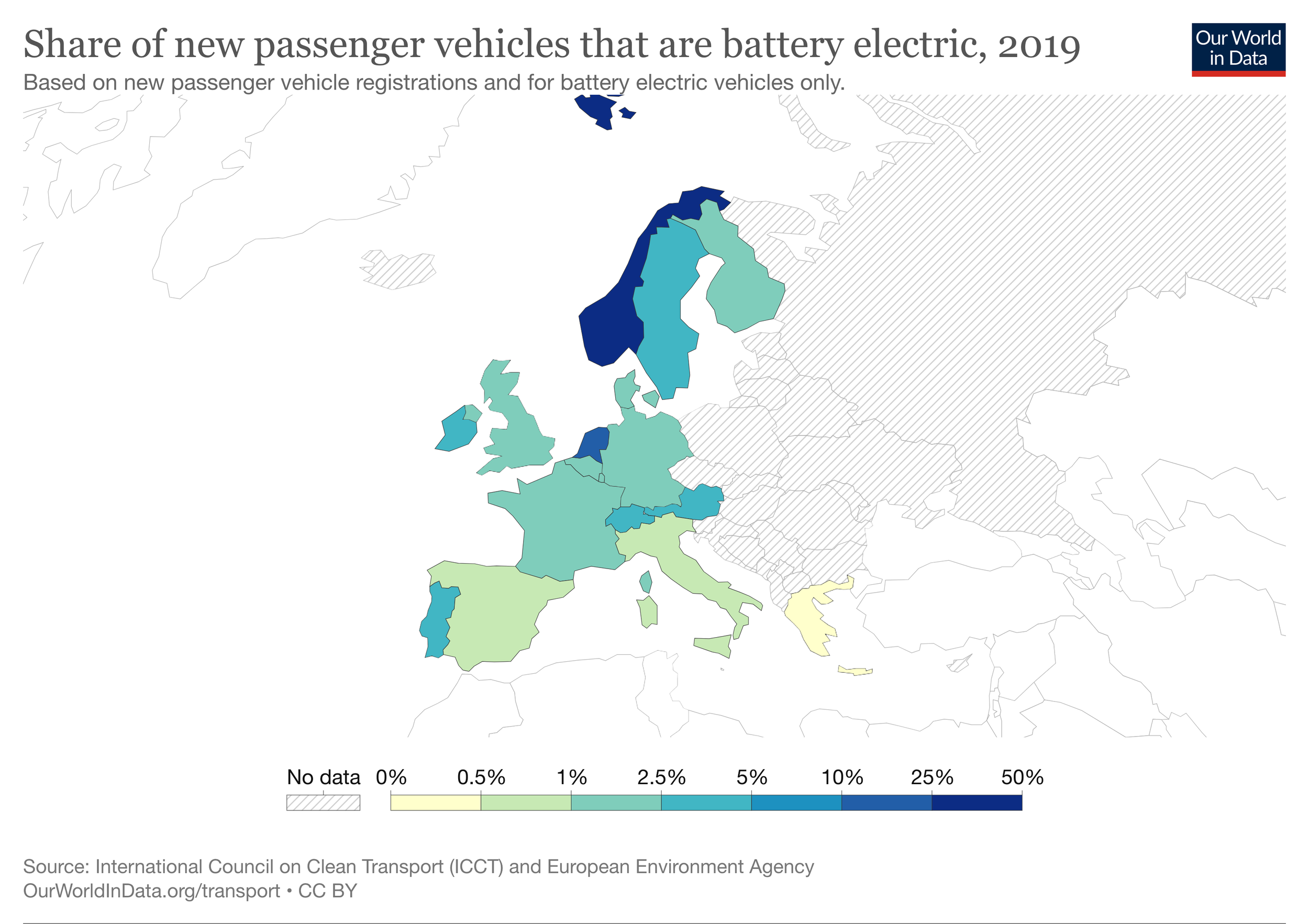
Data displayed is from Europe but portrays an increase in electric vehicles also being seen in the United States and North America.
Electric Vehicles:
Electric vehicle sales continue to increase because with transportation there is a win-win. Owners have better transportation with lower total cost of ownership.
Energy Efficiency: Electrical vehicles (EVs) are more energy-efficient than internal combustion engine vehicles. EVs convert more than 75% of the electrical energy stored from the grid into power that operates the wheels while internal combustion engines are only able to convert roughly 30%. This means that more energy is utilized in propulsion in an electric vehicle, resulting in less wasted energy and greater efficiency.
Regenerative Braking: Electric vehicles use regenerative braking, which converts kinetic energy into electrical energy during deceleration and braking. This energy is then stored in the vehicle’s battery and can be used to power the vehicle, which reduces energy consumption and improves efficiency.
Heat Pumps:
Renewable Energy Integration: Heat pumps can be powered by electricity generated from renewable energy sources, such as solar or wind power. The ability to use efficient heat pump technology and clean energy sources further reduce greenhouse gas emissions and promote sustainability.
Higher Coefficient of Performance: Heat pumps, which are used for both heating and cooling can become much more energy efficient when electrified. They typically have a coefficient of performance (COP) greater than 1, meaning that for every unit of electricity used, they can provide more than one unit of heating or cooling energy. Because electric heat pumps operate with a COP value greater than 1 they are more efficient and use less energy to provide greater amounts of heating or cooling to a household.
Electric Water Heaters:
Improved Energy Efficiency: Electric water heaters are highly energy-efficient. They can extract heat from the surrounding air and transfer it to the water, resulting in an energy efficiency ratio (EER), of around 2 or 3, or even higher. This means that for every unit of electricity used, they can produce two to three units of hot water, resulting in energy savings compared to fossil fuel-based water heaters.
Reduced Standby Heat Loss: Electric water heaters do not suffer from standby heat loss as much as fossil fuel-based water heaters. Standby heat loss occurs when the stored hot water gradually loses heat to the surrounding environment. Electric water heaters can be better insulated and more sealed, reducing standby heat loss and improving efficiency.
Induction Cooktops:
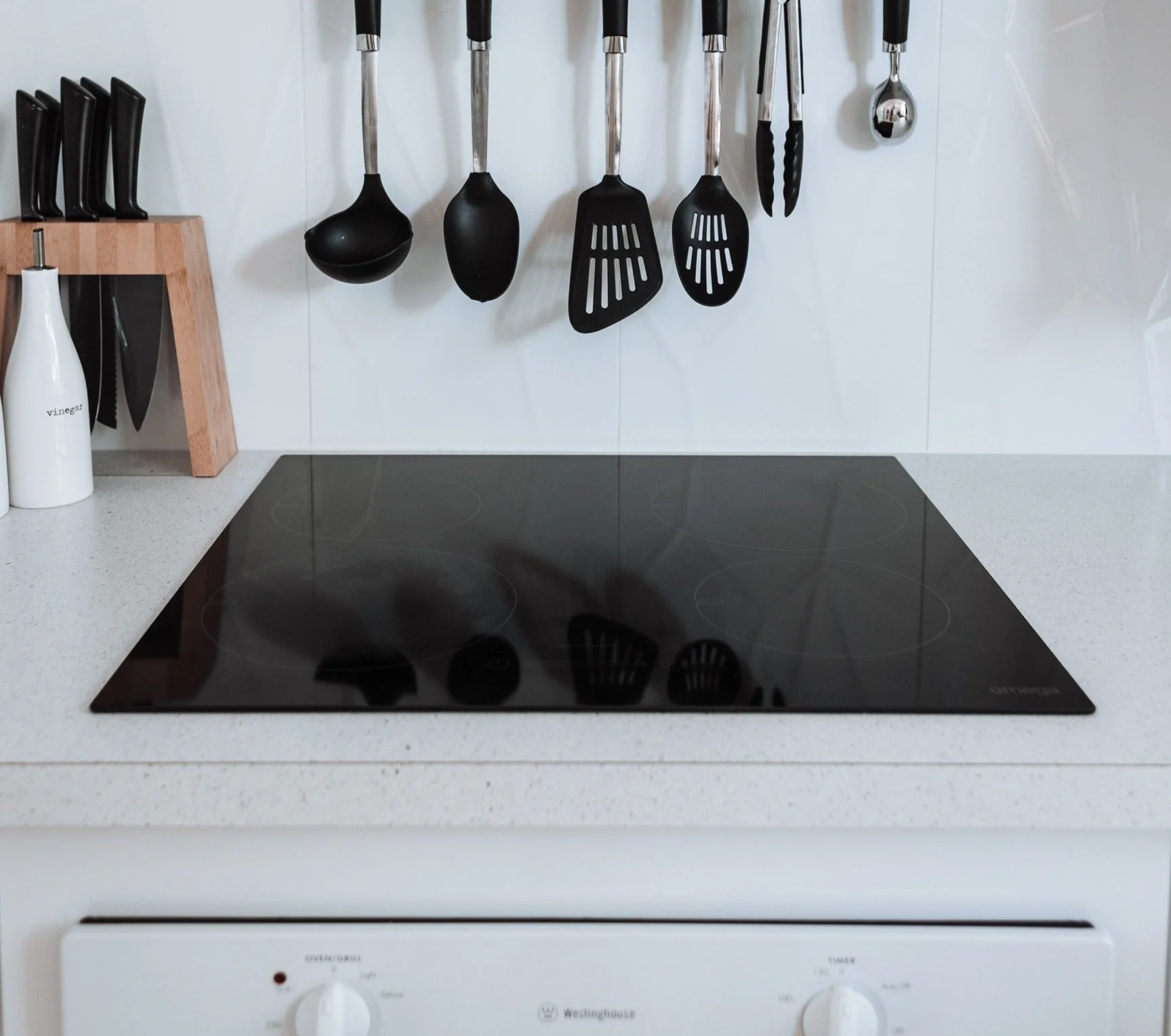
Precise and Rapid Heating: Induction cooktops use electromagnetic fields to directly heat the cookware, resulting in faster and more precise heating compared to traditional gas cooktops. They heat up quickly and provide instant control over the cooking temperature, resulting in efficient energy use and reduced cooking times.
Energy Transfer Efficiency: Induction cooktops have high energy transfer efficiency since the heat is generated in the cookware. This eliminates the energy losses associated with the combustion process in gas cooktops, making induction cooktops more efficient and reducing cooking emissions of indoor air pollutants.
How Electric Gives Us More Useable Energy
Our current power generation system is flawed, wasting more fuel into generating electricity than utilizing the electricity and electric options we alread have. To electrify we have to not only cut the use of thermal electric power generation, which includes the use of fossil fuels like coal, natural gas, and oil, as well as nuclear energy but also understand it. Understanding how energy is lost at various stages of the current process:
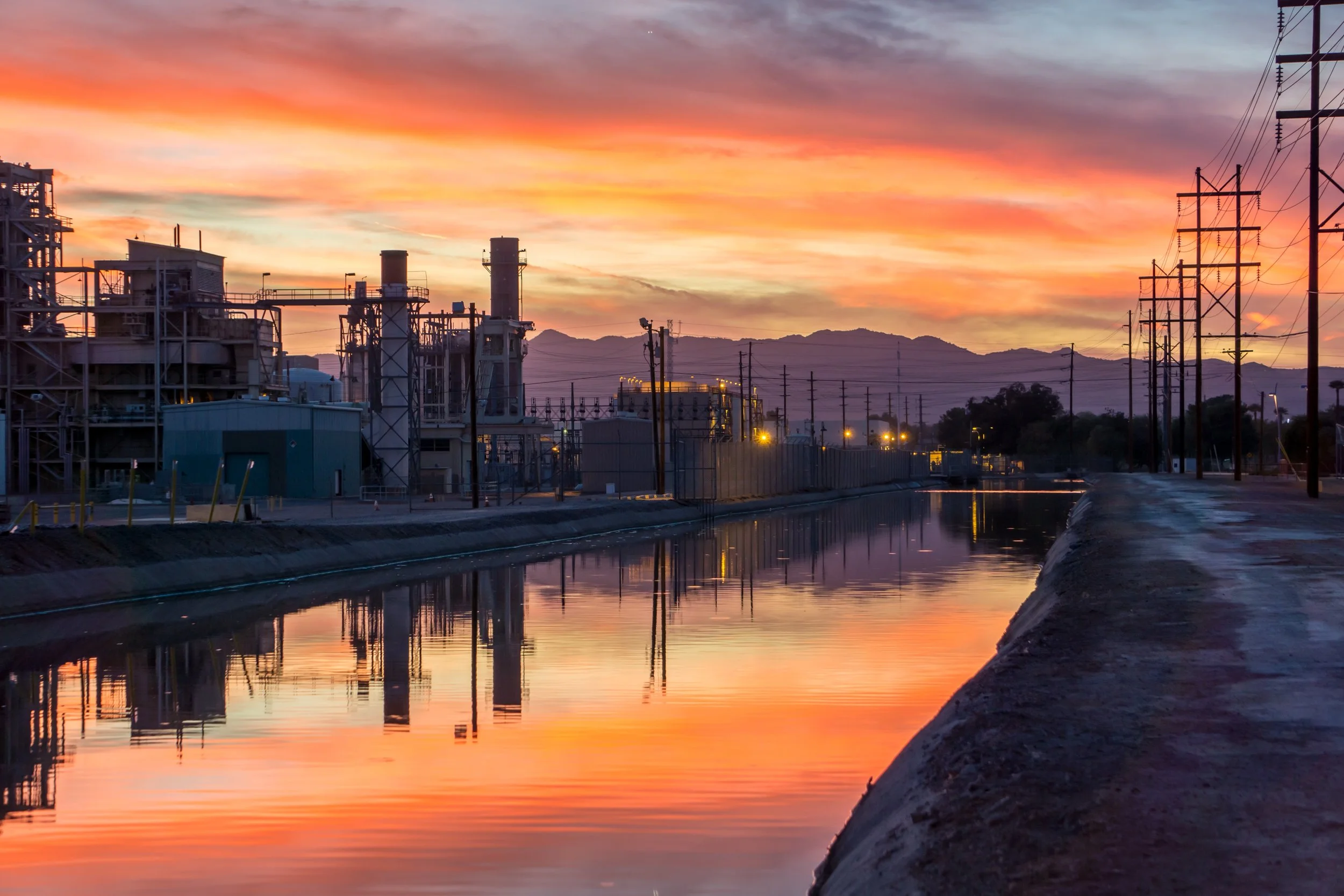
Fuel Extraction and Processing: The process of extracting and processing fossil fuels or mining uranium for nuclear power requires significant energy input. Mining and drilling equipment requires significant fuel inputs, so do the vehicles used for material transportation, as well as the operation of large material processing plants. In contrast solar and wind energy come freely and do not require human or artificial involvement to create energy.
Conversion Efficiency: The conversion efficiency of thermal power plants determines the amount of energy that can be extracted from the fuel and converted into electricity. Efficiency between different kinds of power plants varies with coal-fired power plants and nuclear power plants having an efficiency of roughly 40% and natural gas power plants having an efficiency of 50% or more. This means that in both cases 50% or more of the potential thermal energy cannot be converted and utilized as actual energy.
Transmission and Distribution: Energy losses occur during the transmission and distribution of electricity from power plants to end consumers. These losses are due to resistance in transmission lines and transformers. On average, transmission and distribution losses account for approximately 5% to 10% of the total electricity generated.
The energy loss associated with thermal electric power generation averages 50% to 70% but can exceed this range depending on the fuel source and systems in place. By transitioning to more clean and efficient sources of power generation, such as combined heat and power systems (CHP) or wind and solar, less energy is lost. Less energy is lost because energy can be generated and gathered directly as electricity, removing the need for a conversion process where energy can be lost.