
Electrification, Renewables, Storage, & Electrical Engineering
The Case for Electrification
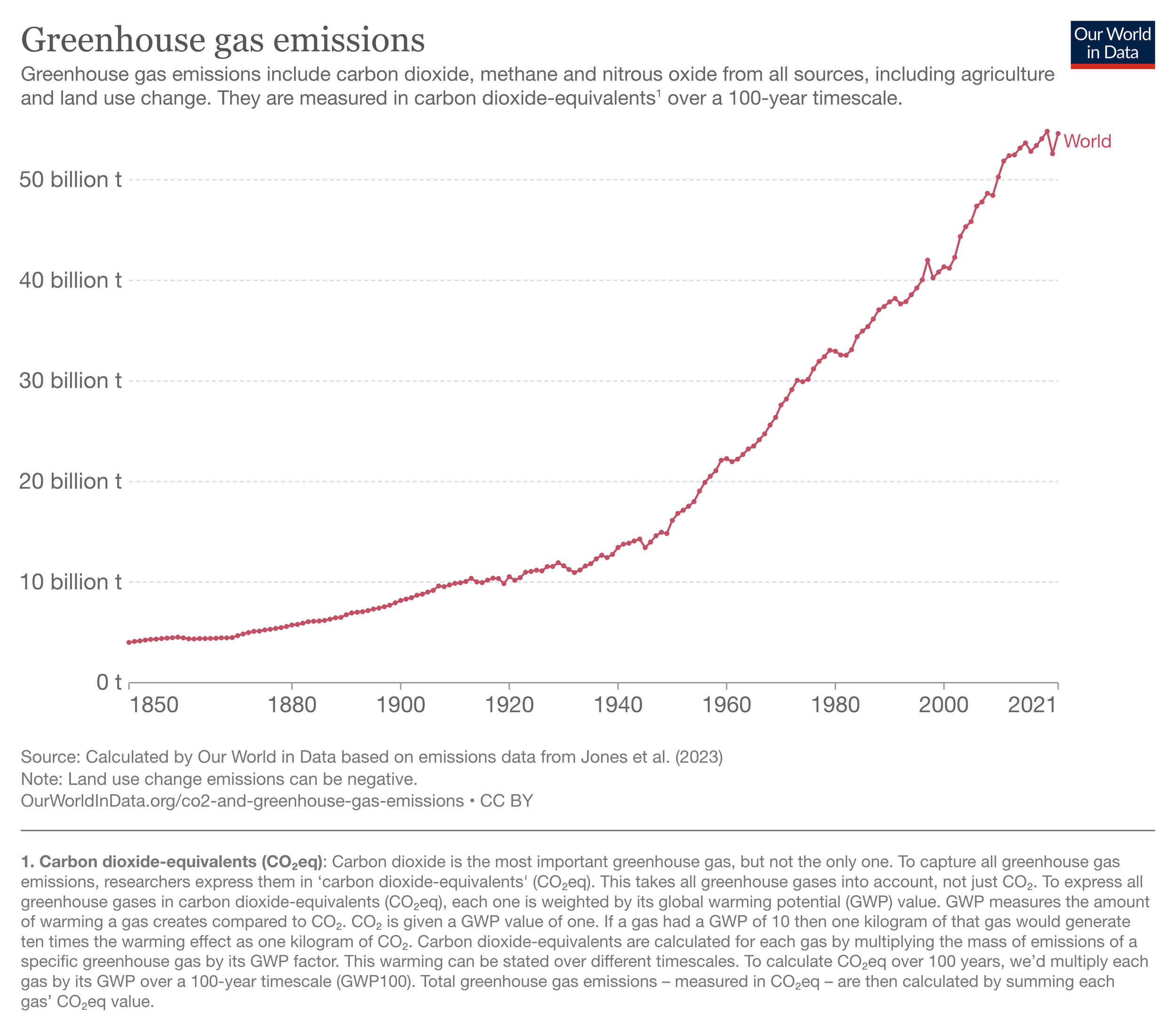
The way humans live is rapidly changing; Temperatures are rising, air quality is declining, and weather patterns are becoming more extreme. People are forced to spend more time indoors as extreme heat, extreme cold, wildfire smoke, and smog cause more health risk every year. The current global, fossil fuel-centered economy pumps billions of tons of carbon and other greenhouse gasses into the atmosphere both causing and intensifying these issues. Fortunately there is a simple, doable response to this ongoing crisis - Electrification.
What is Electrification?
Electrification is the process and principle of meeting society’s energy needs using clean electricity as the primary source of energy and reducing and even replacing reliance on all non-renewable forms of energy. Electrification recognizes that big changes happen through small actions. When households, transportation, industry, and infrastructure are seen through the lens of their impact on the climate, new ways of getting the same results become clear. What emerges are practical solutions supported by simple lifestyle choices and the decisions we make as consumers.
What Are the Costs?
Electrification is ready to occur with the utilization of already existing technology. However, it requires a steeper upfront cost to update infrastructure as well as a transition period to wean people off of outdated habits and choices tied to fossil fuels. As part of this, energy costs will temporarily rise while current infrastructure and industry are disrupted. After this transition, though, the cost of energy will decrease to a third or less of current energy prices. Becoming almost free as energy becomes abundant and localized. This keeps the money normally spent on energy within the community and off of company balance sheets. Reducing both the monetary cost and the environmental costs as it eliminates the need for fuels to be purchased and later burned off at power plants.
Why is it a Good Option?
Electrification is more than using electric cars or putting solar panels on rooftops; it is a fundamental change to the grid and the way energy moves between consumers and producers. It localizes energy by using renewable energy sources to power households, commercial buildings, and public infrastructure. Thus making it easier to access energy and to keep energy funds within a community.
Renewable Energy
Electrification focuses on freely arriving flows of energy from the sun and wind, using solar photovoltaic panels and wind turbines as primary sources of electricity generation. It is key to note that these energy sources are able to generate electricity without depleting natural resources. The renewability of these sources makes them a great sustainable option, but the sources' output varies based on external factors. Factors like weather, time of day, and the season. Because of these variables secondary sources of energy including hydropower, geothermal, and nuclear all act to support the energy grid to provide reliable clean energy.
Energy Storage
To handle the difference in output, energy storage methods such as batteries, pumped hydrogen storage, compressed air energy storage, and thermal energy storage are used to store energy generated during times of excess generation, such as when output is low or consumer demand is high. The combination of renewable energy production and energy storage allows for low cost, reliable energy supply that meets demand.
Changes the Grid

This coupling of energy sources and storage requires changes to the current energy grid. One of the main grid changes is the integration of smart grid management systems to track energy production, consumption, and storage levels thus increasing the functionality of renewable energy systems. This updated combination of renewable energy production, storage, and tech to track energy levels and regulate flow patterns throughout the grid ensures that there is never an energy deficit.
Localized Energy and Abundance
Localizing energy can look like solar panels on individual homes or like solar microgrids that power campus, multifamily or commercial developments. By localizing energy, less energy is lost during transportation and distribution. This turns the almost 70% of energy lost as heat in production and distribution into energy that is used by communities and businesses.
Much of the time the energy used in a community is generated within the community. There is no need to pay an external producer or distributor for energy when energy is being created within your own neighborhoods. Electrification also eliminates unregulated, one-way power flow, where energy can only flow from power plants to individual consumers. Instead, excess energy can travel throughout the grid. An abundance of energy in one place can bring energy to another area where it is needed, or it can be stored until it is needed.
Mindset Shift
Electrification needs both an infrastructure and a mindset shift to get the desired results of less carbon emissions and cheaper, more reliable and abundant energy. Current environmental and sustainable thinking continues to hold onto the 1970s mindset where small, individual changes are seen as more impactful than big, industry-wide changes. This thinking prioritized actions like anti-littering campaigns instead of changes to product packaging. Similarly, today we receive messages from energy companies that aim to confuse or demoralize us in order to delay or prevent a focus on overdue industry retooling.
Big results can come about due to small changes that happen consistently. The by-industry, for-profit transition on the grid side is not in question. At home positive impacts start with small consumer changes based on accurate perspectives. These shift the way governments and industry make decisions about future initiatives. An increased interest in electrical vehicles, solar panels, and fossil fuel free systems for household heating, or air or water, increases the number of electric based options offered as manufacturers aim to cater to changing consumer preferences and capture market share.