
Electrification, Renewables, Storage, & Electrical Engineering

Challenges to an Electric Transition
Our modern world prefers to find technical solutions, particularly ones that align with buying new products as a way to resolve issues and move forward. The reality is that for electrification to happen there are other layers to the situation that are not easily addressed by technology or consumer behavior.
Socioeconomic Status
Socioeconomics determine whether households and businesses can electrify their space and their transportation. Electric options will save money and improve outcomes over time, but they also come along with higher upfront costs. While long-term savings are helpful, it is hard for lower-income households or households with little access to capital funds to invest the money into electric options. Which in turn limits their ability to access the long term cost savings.
Additionally, socioeconomic groups, particularly underserved or disadvantaged communities often lack access to reliable financial institutions, energy infrastructure, and housing. A lack of reliable financial institutions results in it being harder to get loans or other financing options that can help lessen the impact of electrification’s steep upfront costs. A lack of both energy infrastructure and housing decreases the ability to electrify their homes and methods of transportation as necessary access to the electrical grid may be unavailable in their area. Renters in apartment communities do not have access to solar PV since they don’t own their own roof; neither do they have agency to make decisions about their infrastructure. While these issues do not impact the underlying rationale to electrify, they are significant and merit attention in the short term, so that in the long term our entire society benefits from electrification.
Geography and Infrastructure
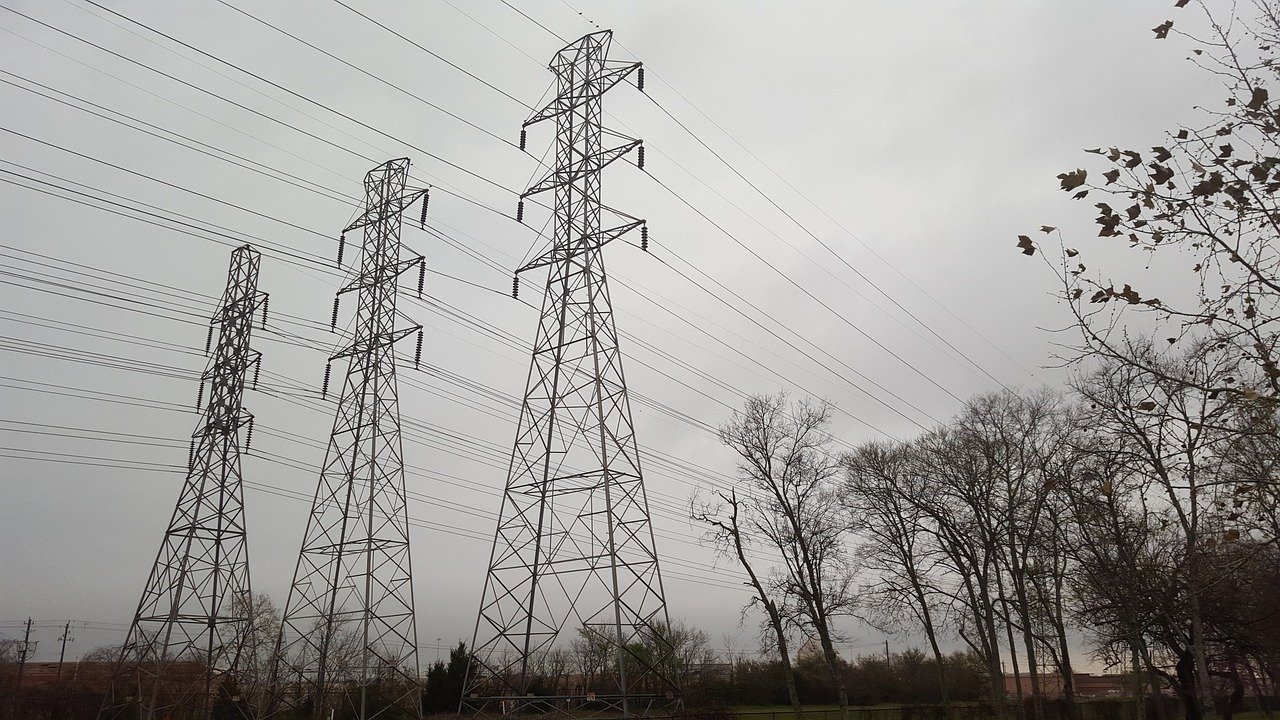
Geography and lack of infrastructure are issues when trying to electrify rural homes and small towns. It is possible to electrify single homes on an individual scale but this is not the ideal solution because it will cost the owner more for a less reliable energy system. Plus this does not allow for bidirectional energy flow over regional transmission systems which connect rural areas to renewable energy from large scale wind and solar farms.
Soft Costs
The switch to electric power requires a lot of soft costs. Soft costs are costs not associated with a physical product or process. Currently there are significant obstacles posed in the form of inefficient outdated bureaucratic systems that make anything new and different more costly and time consuming to permit and build. This includes simple processes such as plan approval, permitting and fees, transportation fees, or consulting and design fees. Companies must also consider the costs and time it takes for administrators to recognize the value of electric options, and for installers to get onboard and offer electric options.
What Does a Clean Energy Future Look Like?
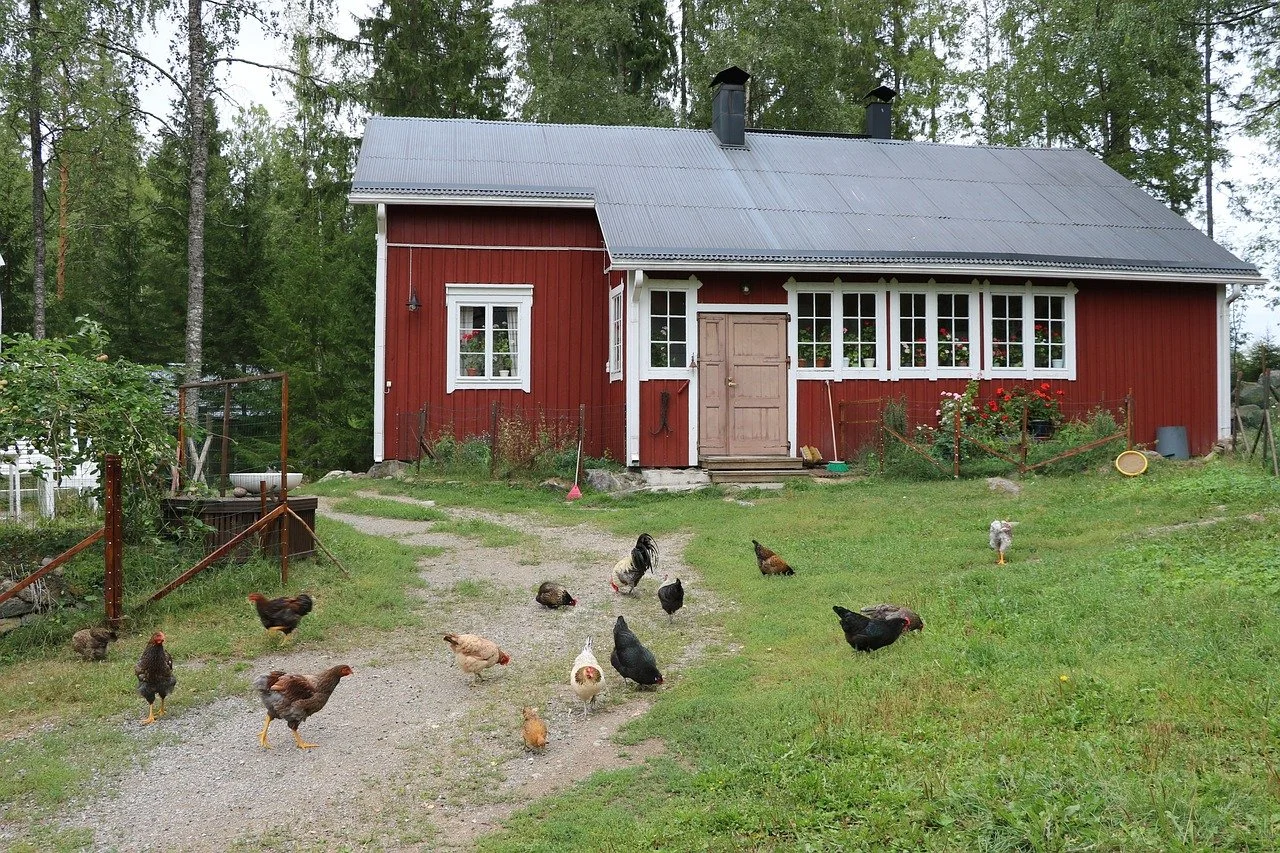
What Does a Clean Energy Future Look Like? While most people want a future with abundant clean energy they cannot define what that future looks like. There are few positive representations of what a clean-energy future looks like. Especially when most people do not want their way of life to change at all. In an interview about electrification, Saul Griffith, author of Electrify states that “59 out of 60 concerned families believe the future should look like today, but with solar cells, Teslas, and a chicken coop.” The lack of representation discourages people from looking into clean energy alternatives because they are unable to imagine what their life would be like with these changes in place. As humans we are often unable to envision how our lives will be positively impacted by new technology. It is something that continues to repeat itself as our world continues to evolve. Henry Ford is quoted as saying “If I had asked people what they wanted, they would have said ‘faster horses’”. There is a need for my representation for what a true, clean energy future looks like, instead of just a modification of our current way of life.
Eco-doom
Many people, particularly young people, are discouraged and depressed because most of the media and mainstream portrayal of climate change focuses on what is continuing to go wrong and what is not improving. This leads to a growing feeling of hopelessness and dread. As well as a sense that there is no chance of solving or improving the circumstances. Leading to a generation that is upset but “accepting their fate” instead of acting on what can change. What is needed is more reality and less click bait. We need more stories to highlight how the energy transition is working, accelerating, is reducing expected increases in carbon emissions, and rendering the worst-case warming scenarios increasingly unlikely. The media is failing us when it comes to electrification. The data point to a more positive scenario than media messaging.
Lack of Urgency and Accountability
There is a lack of urgency and accountability in addressing the actions responsible for the current environmental circumstances. The economic growth of the past century represents actions that were made with the best intentions and the knowledge available at the time. Yet, there is a lack of understanding and willingness to accept that those actions have had a negative impact on the livability of the planet. Many older generations feel that it is no longer their responsibility to help as they will not have to deal with the impacts of their actions – it is a problem that younger generations can solve. Corporations continue to focus on the generation of profits and expansion of business sectors instead of the impacts of current and past actions. Much of society is facing our energy future with blinders on, waiting for “someone else” to take responsibility for acting on this crucial and ultimately positive opportunity for humanity.
Workforce
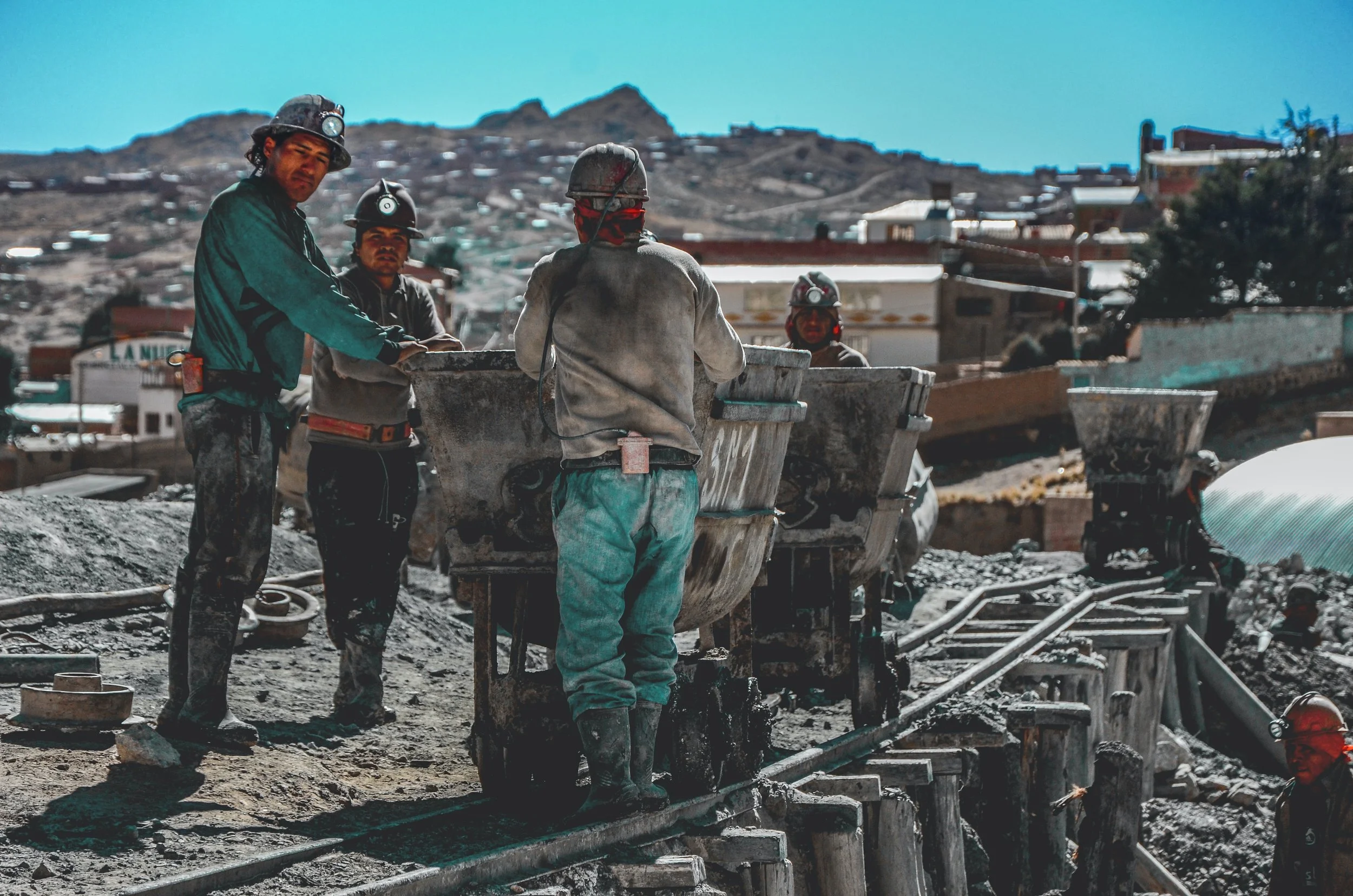
Many parts of the United States are built on towns and regions that have formed and thrived due to the ability to harvest and sell fossil fuels as a way of making a living. To successfully electrify both the infrastructure and the workforce must transition, ensuring that households that have made their careers and livelihoods in coal, oil, and gas are still able to find jobs and support their families. The energy transition is expected to create tens of millions of high quality, forward looking jobs for our workforce.