

Award-Winning Architecture with Alterstudio and Positive Energy
The architectural landscape in Austin, Texas, has been profoundly shaped by a unique and enduring partnership between Alterstudio Architects, a firm celebrated for its deep commitment to the design process and exceptional residential projects, and Positive Energy, a pioneering residential MEP engineering and building science firm. This collaboration has consistently pushed the boundaries of conventional design and construction, resulting in stunning pieces of residential architecture that are not only aesthetically remarkable but also embody comfort, health, and inspiration.1 Their combined expertise has been instrumental in translating architectural vision into tangible, high-performance spaces.
Alterstudio Architects and Positive Energy: A Longstanding Collaborative Partnership
The architectural landscape in Austin, Texas, has been profoundly shaped by a unique and enduring partnership between Alterstudio Architects, a firm celebrated for its deep commitment to the design process and exceptional residential projects, and Positive Energy, a pioneering residential MEP engineering and building science firm. This collaboration has consistently pushed the boundaries of conventional design and construction, resulting in stunning pieces of residential architecture that are not only aesthetically remarkable but also embody comfort, health, and inspiration.1 Their combined expertise has been instrumental in translating architectural vision into tangible, high-performance spaces.
The Genesis and Evolution of a Unique Partnership
The foundation of this long-standing relationship lies in a shared dedication to excellence and a proactive approach to problem-solving. Over time, our inter-firm communication has become remarkably smooth, fostering a project team environment where we effortlessly anticipate one another's needs. This level of mutual understanding is a hallmark of truly integrated design, significantly contributing to efficiency and innovation by minimizing costly revisions and maximizing creative potential. The tangible success of this synergy is evident in the dozens of projects they have completed together, many of which have garnered an arsenal of awards and have been extensively published, serving as powerful testament to their collective impact on the built environment.
Ernesto Cragnolino's Testimonial: The Search for a True MEP Partner
The value of this partnership is perhaps best articulated by Ernesto Cragnolino, FAIA, of Alterstudio Architects. He recounts a prevalent challenge faced by architects in the custom residential sector: the difficulty of finding an MEP partner with both specialized residential expertise and a genuine commitment to integration with architectural design. Cragnolino shares the firm's journey:
“I have been working in custom residential architecture in Austin, Texas for over 15 years. Our firm prides itself on thorough attention to detail, and to the resolution of technical issues especially as they relate to the broader experience of the architecture. For many years I had sought out a partner that could work with us on the integration of HVAC systems. We tried everything: working with design/build installers in the design phase, subcontracting with mechanical engineers whose specialty was obviously commercial, and reaching out to companies outside of Austin that claimed to specialize in residential HVAC. The results ranged from modest regrets to full on disappointment. When we came across Positive Energy, we finally felt like we had a dedicated and knowledgeable team member that would help us take our projects to another level of resolution. It has truly been a successful partnership.”
This candid account highlights a significant industry gap: the scarcity of MEP partners who possess both specialized residential expertise and a commitment to true integration with the architectural design. Positive Energy, offering a "dedicated and knowledgeable team member," directly enables Alterstudio to achieve a "next level of resolution" in their projects. Positive Energy's specialized, integrated MEP services are a catalyst for Alterstudio's remarkable architectural design quality and problem-solving capabilities, allowing them to realize more complex and higher-performing designs. Positive Energy doesn’t just view itself as an MEP service provider, but rather as a co-creator of the world class architecture projects that Alterstudio brings to life.
Creating Comfortable, Healthy, and Inspiring Spaces
The collaborative spirit between Alterstudio and Positive Energy is rooted in a holistic design philosophy. Kristof Irwin of Positive Energy and Ernesto Cragnolino of Alterstudio have jointly presented to other architects, discussing the nature of their partnership and their methodology for creating "incredible, comfortable, and healthy spaces that allow the human spirit to soar with inspiration".
The fact that both principals actively share their collaborative approach through joint presentations to peers signifies that their partnership is not merely a successful business arrangement, but a replicable model for integrated design within the broader architectural community. This shared design philosophy transcends purely aesthetic or energy-efficiency goals, prioritizing the occupant's overall well-being and experience. Our collaborative work is a leading example for architects seeking to design spaces that genuinely enhance human life, aligning with the aspiration to inspire the audience to create impactful spaces.
Shaping Austin's Architectural Record: Project Spotlights
An Overview of How Design Intent Meets Built Reality
Each project featured below exemplifies the seamless integration of Alterstudio's distinctive architectural vision with Positive Energy's advanced MEP and building science expertise. This collaboration is what optimizes each structure for performance, long-term durability, and unparalleled occupant comfort. Across all these highlighted projects, Positive Energy's consistent scope of work was comprehensive MEP Engineering, underscoring their critical and consistent role in bringing these complex designs to fruition.
Highland Park Residence
The Highland Park Residence stands as a testament to architectural ingenuity, establishing an "extraordinary interior environment" on a property initially "devoid of significant natural features or mature trees" and closely flanked by neighboring structures. Its striking features include a "continuous stone bar [that] hovers precariously at the building line, bends to define a private courtyard, and dramatically cantilevers 35 feet at the entry". The interior boasts "surprising verticality" in the living room, with "curved glass panels and expansive retracting doors" that skillfully blur the boundary between inside and out.
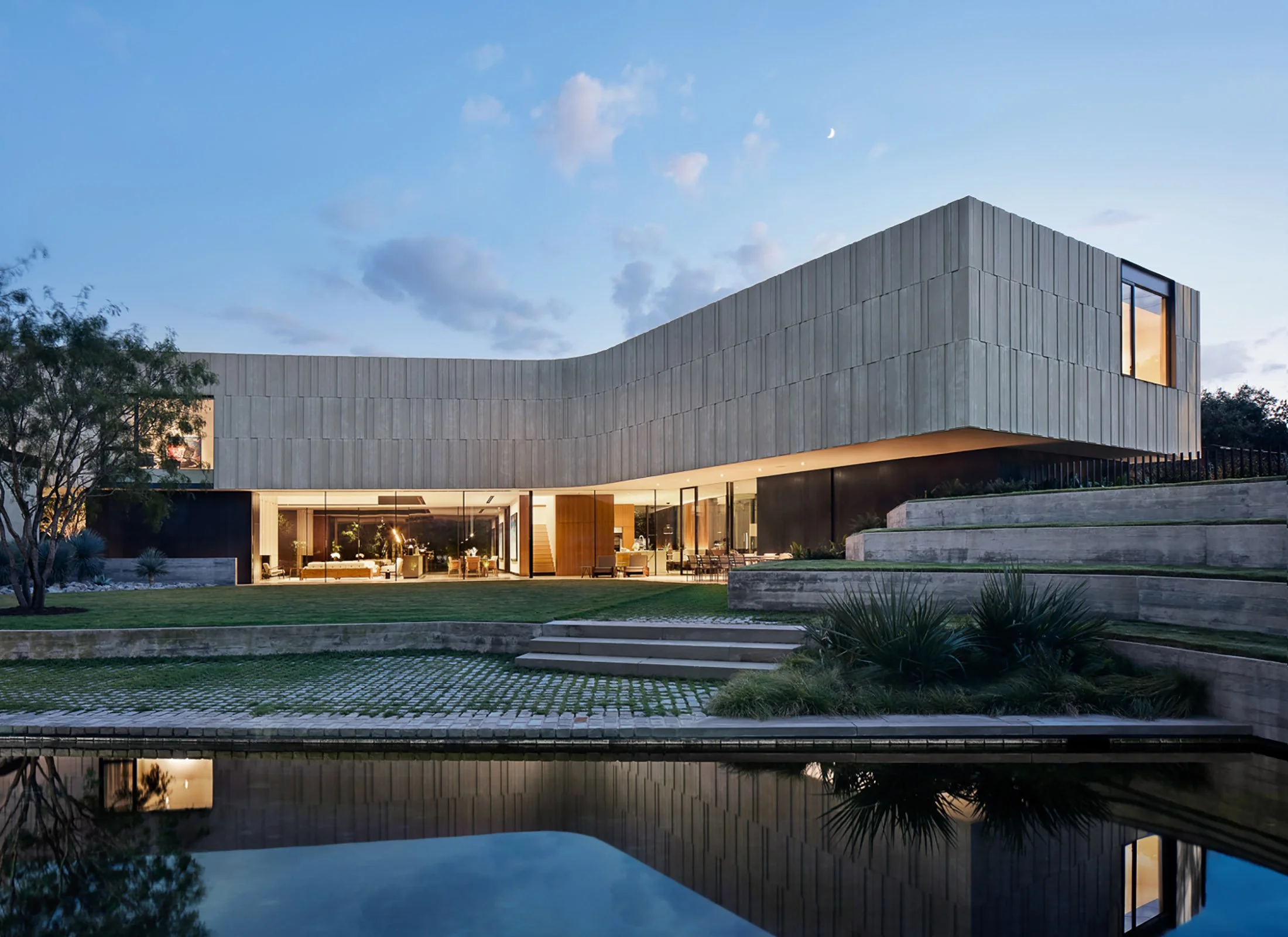
Photography: Casey Dunn
The ambitious architectural elements, particularly the "dramatically cantilevers 35 feet" and the extensive use of "curved glass panels and expansive retracting doors," inherently pose significant challenges for maintaining thermal performance, managing solar heat gain, and ensuring structural integrity. For an architect who knows that execution will require precision, such features raise immediate questions about how they can be made comfortable, energy-efficient, and durable. This project is a prime example of how ambitious architectural forms necessitate sophisticated MEP and building science integration. Positive Energy's MEP engineering was paramount in addressing these complexities. This project involved precise HVAC system design to account for large glass surfaces, meticulous coordination of high-performance glazing, and sophisticated air sealing and insulation strategies to mitigate thermal bridging and prevent air leakage. These measures were crucial in ensuring consistent indoor comfort and energy efficiency within such an open and vertically dynamic space, transforming potential performance liabilities into architectural triumphs.
The Highland Park Residence has received numerous accolades, including the 2022 AIA Housing Awards, 2021 Residential Architect Design Awards, and 2020 Builder's Choice / Custom Homes Magazine Merit Award. It has been published in prestigious outlets such as YinjiSpace, Residential Design Magazine, and Interior Design Homes.
West Campus Residence
The West Campus Residence was thoughtfully designed by architect-owners seeking a more suitable space for their growing family. Their deep knowledge of the neighborhood allowed them to acquire and subdivide an "unusually wide lot" into two narrow parcels. The presence of mature Live Oaks, coupled with zoning setbacks and parking requirements, dictated a compact building footprint. The resulting home features a vertically clad wood volume housing four bedrooms above a more agile, open-plan ground floor wrapped in mill-finished steel panels, reflecting a commitment to "compact, efficient living" deeply attuned to its natural surroundings.

Photography: Casey Dunn
The "compact building footprint" and commitment to "efficient living" are direct architectural responses to specific site constraints and programmatic needs. These design choices inherently create a requirement for highly efficient and precisely controlled MEP systems to ensure comfort and optimal indoor air quality within a smaller, potentially more densely occupied volume. The vertical organization of spaces creates challenges for effective air distribution and maintaining consistent temperatures across different levels, especially considering the natural tendency for heat to rise. Positive Energy's role was critical in ensuring efficient HVAC zoning to address thermal stratification, providing proper ventilation for a compact space to maintain healthy indoor air quality, and detailing the building envelope to prevent moisture issues and thermal discomfort, particularly given the chosen material palette. This project clearly illustrates how site-driven architectural decisions directly influence the complexity and necessity of sophisticated MEP and building science solutions.
The West Campus Residence has been recognized with the 2023 AIA Small Project Awards, 2022 AIA National Housing Awards, and 2021 Residential Architect Design Awards. It was also featured in Dwell+.
Falcon Ledge Residence
The Falcon Ledge Residence is a remarkable testament to overcoming an "impossible site" – a property that falls off "precipitously directly from the street’s curb". The innovative solution involved first erecting a "platform" adjacent to the street, which later became the garage and a bridge connecting to the main house. The home itself is uniquely organized "upside down," with the main living spaces on the top floor and private spaces below. This "unexpected tower" form was largely "determined by the logic of its construction and sequencing".
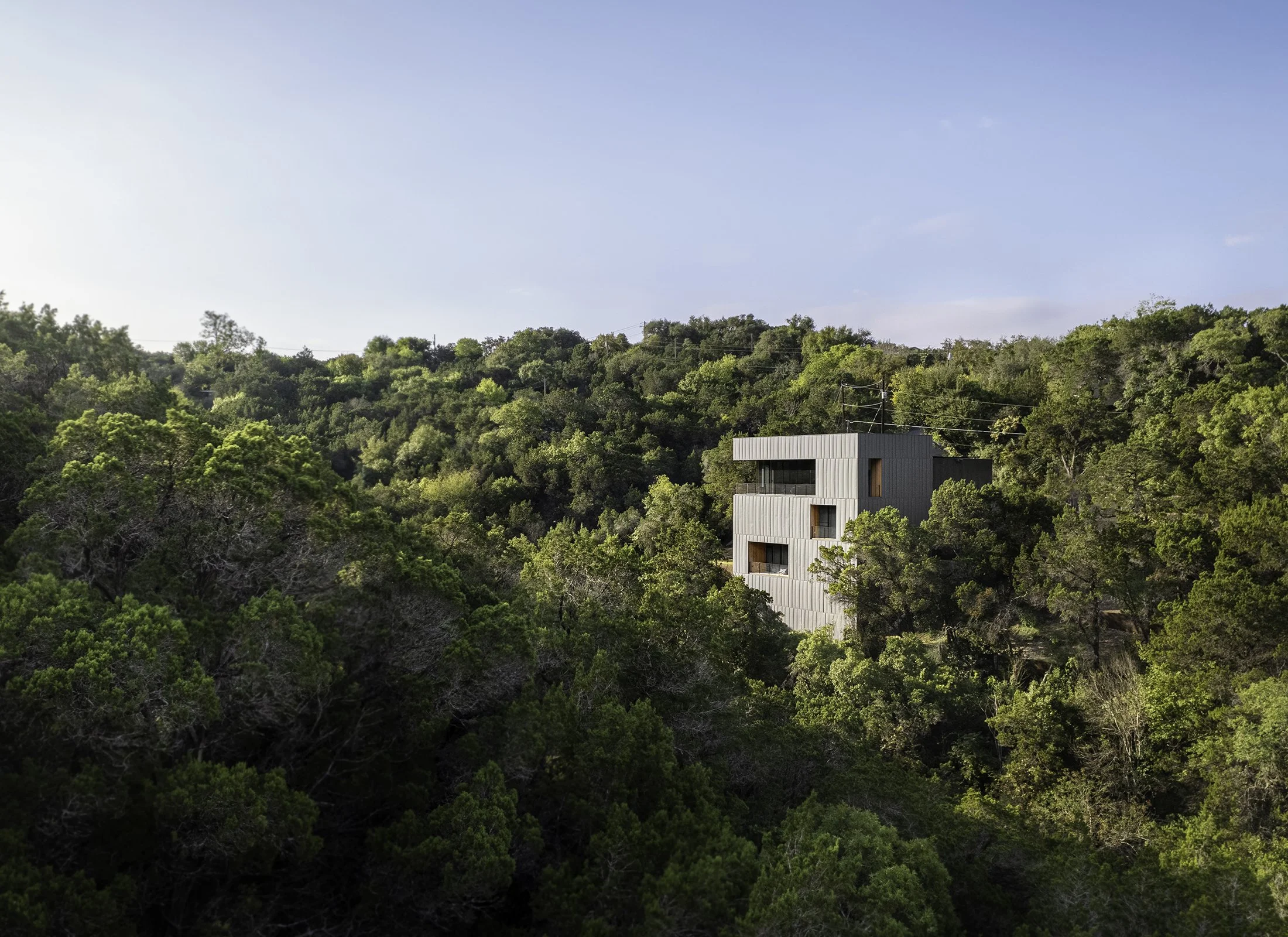
Photography: Casey Dunn
The Falcon Ledge Residence is a beautiful example of how deep building science knowledge and innovative MEP engineering enable architectural breakthroughs in the face of extreme site limitations. The "upside-down" organization and the exposed "tower" form presented unconventional challenges for HVAC design. Managing heat gain and loss at the highly exposed upper living levels, while ensuring efficient and consistent air distribution throughout the entire vertical structure, required a customized and thoughtful approach. Positive Energy's expertise was vital in designing systems that effectively condition such a tall, exposed structure, potentially incorporating strategies to mitigate stack effect and ensure thermal comfort across multiple, uniquely arranged levels. Our approach to HVAC design was performance-driven with a sympathetic understanding of the building envelope, essential to make an unconventional structure not just habitable, but comfortable, and durable.
This innovative project has garnered significant recognition, including the 2025 AIA Austin Design Awards, 2023 Residential Architect Design Awards, 2023 Texas Society of Architecture Design Awards, and 2023 American Architecture Awards. It has been featured in prominent publications such as Dezeen, Texas Architect, and Architectural Record.
Constant Springs Residence
Set on a typical suburban lot that backs unexpectedly onto a wooded escarpment and creek, the Constant Springs Residence masterfully balances urban proximity with the sense of an isolated retreat. Designed for a family of four, it features a one-story structure oriented horizontally beneath the canopy of preserved mature Live Oaks. A defining characteristic is the "continuous Western Red Cedar ceiling that extends inside and out, complemented by strategic roof openings that embrace both the trees and sky themselves. The home utilizes a restrained material palette of cedar, marble, limestone, white oak, and steel, along with custom glazing, to intimately connect interior spaces with both a front courtyard and the dramatic natural landscape.

Photography: Casey Dunn
The architectural aspiration for a continuous indoor-outdoor ceiling and large, framing openings created building science complexities, particularly concerning moisture management and thermal bridging. Positive Energy's MEP expertise was critical in designing systems that precisely manage humidity levels and ensuring consistent thermal comfort. This involved advanced humidity control systems and careful consideration of thermal bridges to maintain the integrity of the building envelope. Positive Energy's MEP solutions for this project helped enable bold aesthetic choices to be realized without compromising the building's long-term performance, durability, or occupant health. It demonstrates that the highly desirable architectural feature of seamless indoor-outdoor living is only truly successful and sustainable when underpinned by robust building science to expertly manage the environmental conditions.
This residence has earned accolades such as the 2022 Residential Design Architecture Awards, 2018 Texas Society of Architects Design Awards, 2018 IIDA Excellence in Design Award, 2018 AIA Austin Design Awards, and 2017 Architecture MasterPrize. It has been featured in Dwell and Austin Monthly.
Tumbleweed Residence
The Tumbleweed Residence embodies the owners' desire to embrace their surroundings through "simple materials -steel, concrete block, wood-" and a deep "celebration of craft and evidence of the hand in the construction". The design comprises "three volumes assembled to create a composition integral with the landscape," abstracted with "clean, white stucco, adopting curves to ease the edges of a sharper modernism".1 This abstraction of the stucco volumes intentionally contrasts with the "tactile, bold materials" that define the interior, where meticulous craftsmanship is evident in details like custom steel window welds and hand-turned walnut bar stools.
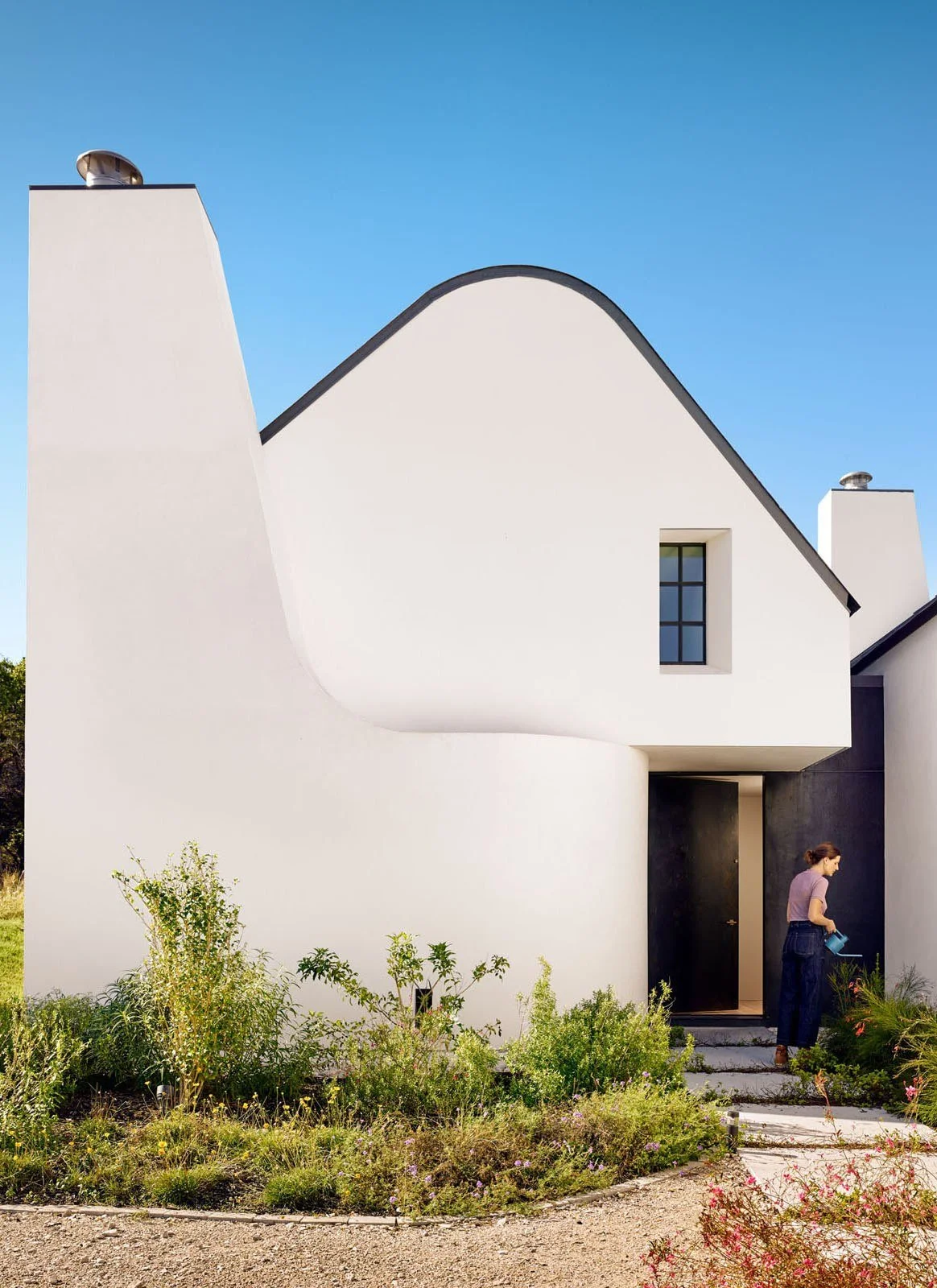
Photography: Casey Dunn
The project's explicit focus on "simple materials" and a "celebration of craft" might, at first glance, suggest a less technically complex building. However, for these seemingly straightforward materials to perform optimally and for the building to achieve long-term durability and occupant comfort, the underlying building science and MEP integration must be even more rigorous and precise. Exposed materials often mean less tolerance for error in the hidden layers of the wall assembly. Positive Energy’s work supports aesthetically driven material choices such that they can be seamlessly integrated into a high-performance building envelope, preventing thermal bridging and ensuring airtightness, so that the thermal loads are reduced. This project highlights a crucial fact that even a "simple" aesthetic requires sophisticated technical integration to ensure the building's performance and resilience.
This project received the 2018 Texas Society of Architects Design Award and was published in Texas Architect.
Tarrytown Residence
The Tarrytown Residence is designed to "unfold around the articulated, private landscape at its center". Its interiors "open fully to the outdoors beneath a continuous ceiling plane, delicately held in place by expansive, custom site-glazed window walls". The composition is anchored by "two abstract volumes—clad in elongated black brick and black-stained cedar", which serve to shield the home and provide a defense against future neighboring development. The interior showcases a rich contrast between dark masonry and finely crafted millwork, raw steel, and a vibrant palette of fabric, wallpaper, and tile. The architecture masterfully balances "intimacy and openness" throughout its carefully choreographed spaces.
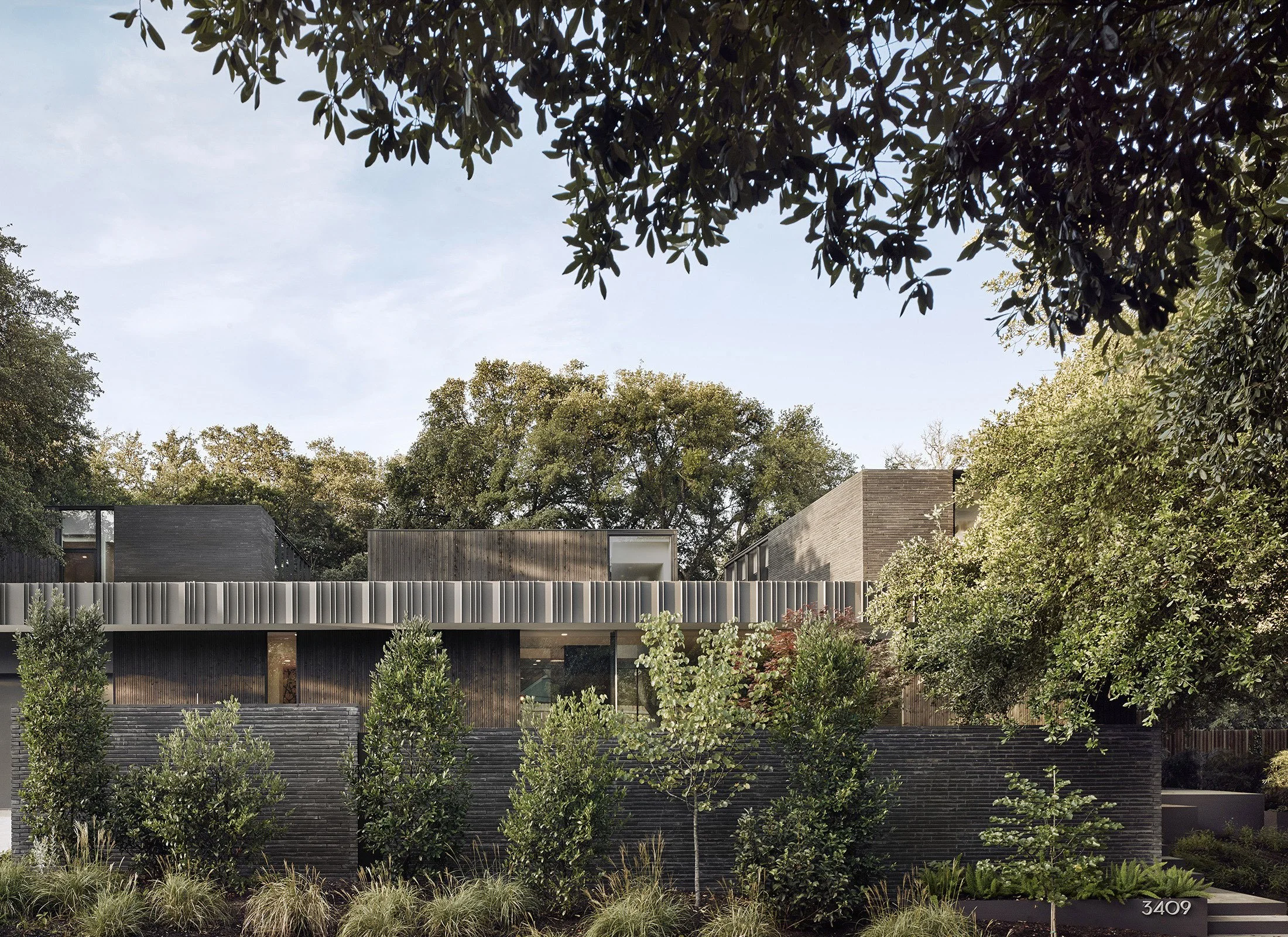
Photography: Casey Dunn
This project strongly reinforces a recurring theme in Alterstudio's work: the architectural ambition to create seamless and beautiful indoor-outdoor connections through glass and continuous ceiling planes. The "expansive, custom site-glazed window walls" are a signature of modern design but inherently pose challenges for energy performance and occupant comfort. Similar to the Constant Springs Residence, these elements demand meticulous attention to thermal performance, air sealing, and condensation prevention. The use of dark exterior materials like "black brick and black-stained cedar" can also increase solar heat absorption, potentially leading to higher cooling loads. Positive Energy's MEP expertise was crucial in designing HVAC systems capable of carefully and efficiently managing these substantial thermal loads. This project underscores the critical necessity of a strong MEP engineering firm to ensure that architectural aspirations do not lead to uncomfortable, inefficient, or unhealthy spaces.
This project has received numerous prestigious awards, including the 2023 Texas Society of Architects Design Awards, 2022 Residential Architecture Design Awards, 2020 Builder's Choice / Custom Homes Magazine Grand Award, 2020 Architecture Masterprize Honorable Mention, 2019 AIA Austin Design Awards, and 2019 Society of Registered Architects National Design Awards.1 It has been published in Architectural Record and Arch Daily.
Elevating Architecture Through Collaboration
The long-standing collaboration between Alterstudio Architects and Positive Energy serves as a compelling testament to the fact that truly exceptional architecture, particularly in the custom residential sector, is increasingly a product of deep, integrated design. Positive Energy's specialized expertise in MEP engineering and building science has not merely supported, but fundamentally enabled Alterstudio's ability to produce award-winning, distinctive designs, consistently pushing the boundaries of what is aesthetically and functionally possible within Austin's architectural landscape.
This partnership highlights a critical paradigm shift in architectural practice: building science is not an afterthought or a reactive fix, but a foundational element that must be integrated and considered from the earliest conceptual design phases. A meticulously designed building envelope, acting as the building's protective skin, and sophisticated MEP systems are absolutely essential for achieving long-term durability, optimal indoor air quality, superior thermal comfort, and exemplary energy efficiency in modern residential projects.8 The profound success and recognition garnered by Alterstudio and Positive Energy's projects strongly suggest that the traditional, linear design process—where architects design and engineers then add systems—is increasingly insufficient for creating high-performance, award-winning residential architecture. The collaboration showcased throughout this report points to a necessary paradigm shift towards a concurrent, integrated design process.
This integrated approach unlocks greater creative freedom for architects, allowing them to pursue ambitious designs with confidence, knowing that the technical complexities will be expertly managed. It ensures that innovative architectural forms are not only beautiful but also perform optimally, providing comfortable, healthy, and durable environments for occupants. The consistent delivery of exceptional occupant experiences that genuinely allow the human spirit to soar is the ultimate outcome of such a partnership. Architects are encouraged to actively seek out MEP and building science partners who not only share their design vision but can also provide the "next level of resolution" for their projects, transforming challenges into opportunities for architectural excellence.
Environmental Design: Where Art & Science Intersect
Architectural design exists at the confluence of creativity and data, an intellectual space that presents hard problems to solve. What may be the best path to a high performing building may fall completely flat in the realm of inspiration. The inverse is also true — what may be an incredible feat of creative potential in form may completely lack necessary function. So how do we successfully reconcile the age old question of form and function to create beautiful, uplifting spaces that also perform across a range of metrics that benefit occupant and planet? Enter environmental design.
What is Environmental Design?
Architectural design exists at the confluence of creativity and data, an intellectual space that presents hard problems to solve. What may be the best path to a high performing building may fall completely flat in the realm of inspiration. The inverse is also true — what may be an incredible feat of creative potential in form may completely lack necessary function. So how do we successfully reconcile the age old question of form and function to create beautiful, uplifting spaces that also perform across a range of metrics that benefit occupant and planet? Enter environmental design.
Thermal window performance visualized for a single family residence
Fundamentally, environmental design is an exercise in understanding the impacts of a given environment on a building’s performance and the experience of its occupants. There are a range of analyses that can be done to facilitate this understanding, but when these analyses happen is quite important. In the early, conceptual phase of an architectural design process, there is tremendous value in being able to iteratively test assumptions against simulated performance data, compare design options, and make informed decisions while the design is still fluid. The whole idea is to optimize a project’s architectural strategies using objective analyses of massing, orientation, fenestration, and even seasonal daylight autonomy, glare potential, and passive thermal comfort (meaning without the aid of active HVAC systems).
Why Do This?

Visualization by UC Berkeley's Gallant Lab
Human beings are a fascinating, complex species. We often recognize bias in others (even relatively benign biases like a preference for a certain color or flavor), but often do not recognize biases in ourselves. Most people assume that they are objective, but forget that each of our experience is formed by perception, which is constructed by a lifetime of unique neural pathways formed in the brain. This phenomena plays out in many neurological and psychological studies. No two brains have the same neural pathways and yet each brain thinks it is the most objective decision maker it knows.
On a practical level, this dynamic is how any of us operate on a day-to-day basis; the physiological and psychological underpinnings of our perspectives and worldview. It’s the way we have evolved over hundreds of thousands of years and is quite literally a natural operating mode. But on another level, those same neural pathways that we create over a lifetime are also what can keep any of us from stepping outside our biases or changing old habits. It’s not an intellectual deficiency by any means, but rather a physical reality we each experience. The good news is that our brains are relatively plastic and flexible when trained the right way. When we intentionally shake things up, the results can be outstanding.
Bringing objective data into the decision making matrix of an architectural design is a powerful way for us to push passed cognitive biases that inform design and push our projects into new vistas of performance. Whether we think critically about this or not, our decisions impact the durability, comfort, and experience of our buildings, as well as the health impacts on occupants.
What Does It Look Like?
Architects are visual creatures. This visual orientation is a major driver behind the most stunning landmarks across the planet. And, if we’re being honest, there are few people who enjoy sifting through charts of data without a deep understanding of context. That’s exactly why we have created a service and deliverables oriented around highly visual feedback in a service we call Passive Systems Environmental Design. Seeing the performative aspects of a design concept positions a visual thinker to see clearer alternatives when needed.
Light
What better media to paint with than light? Having in hand a data-driven understanding of how light will interact with a building is an under-realized tool for many architecture firms. No longer do we need to rely on guess work.
Example graphs of an outdoor comfort profile
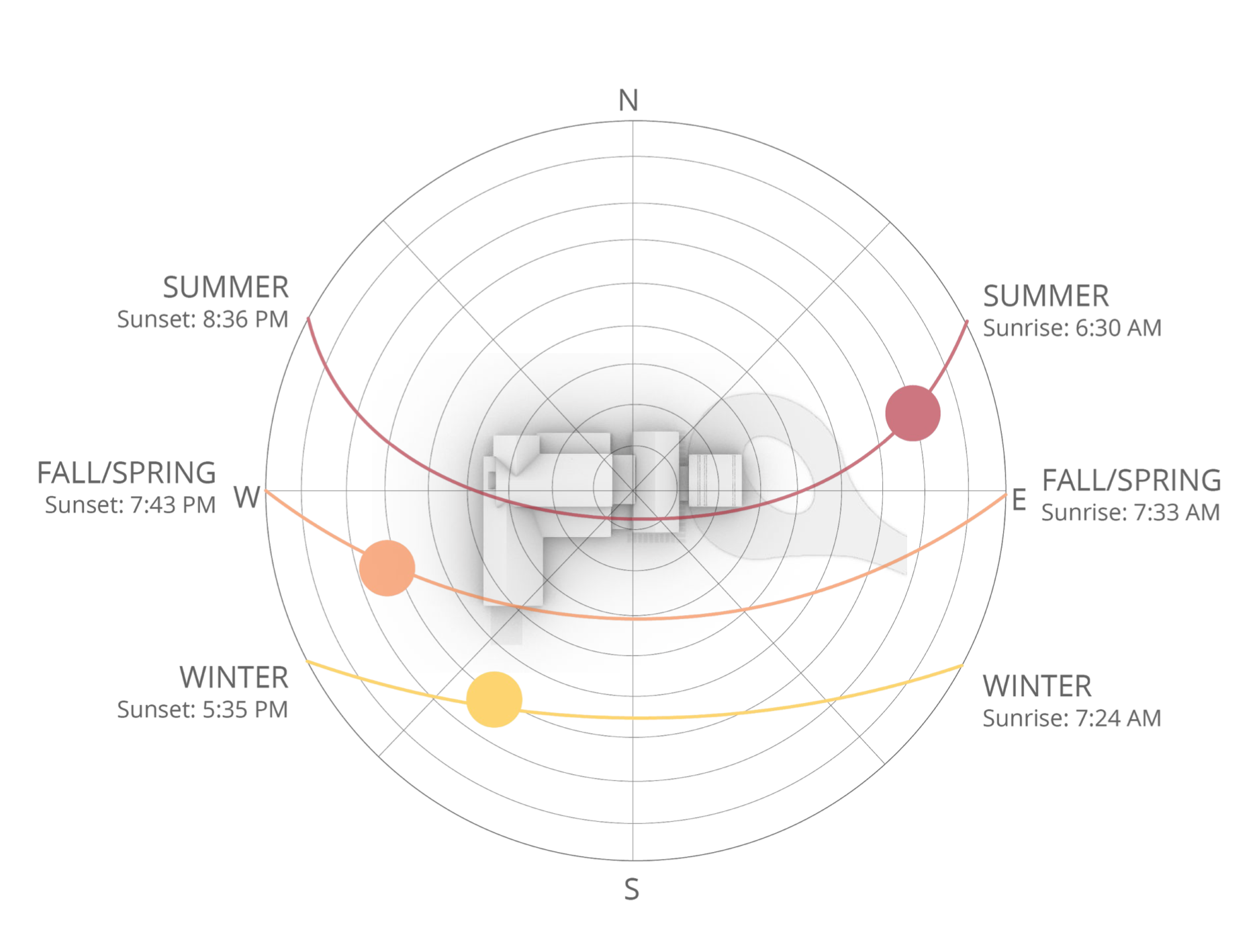
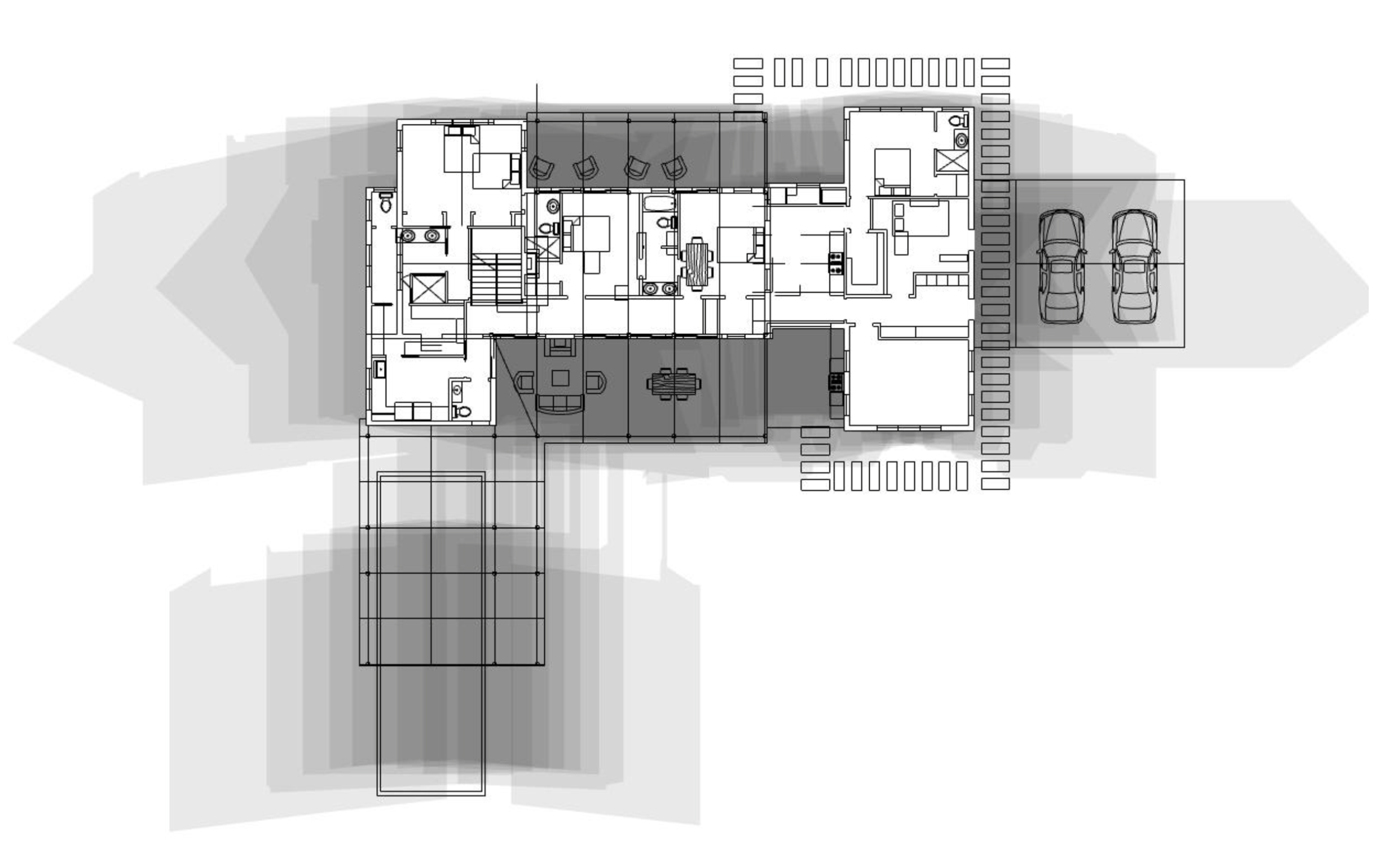
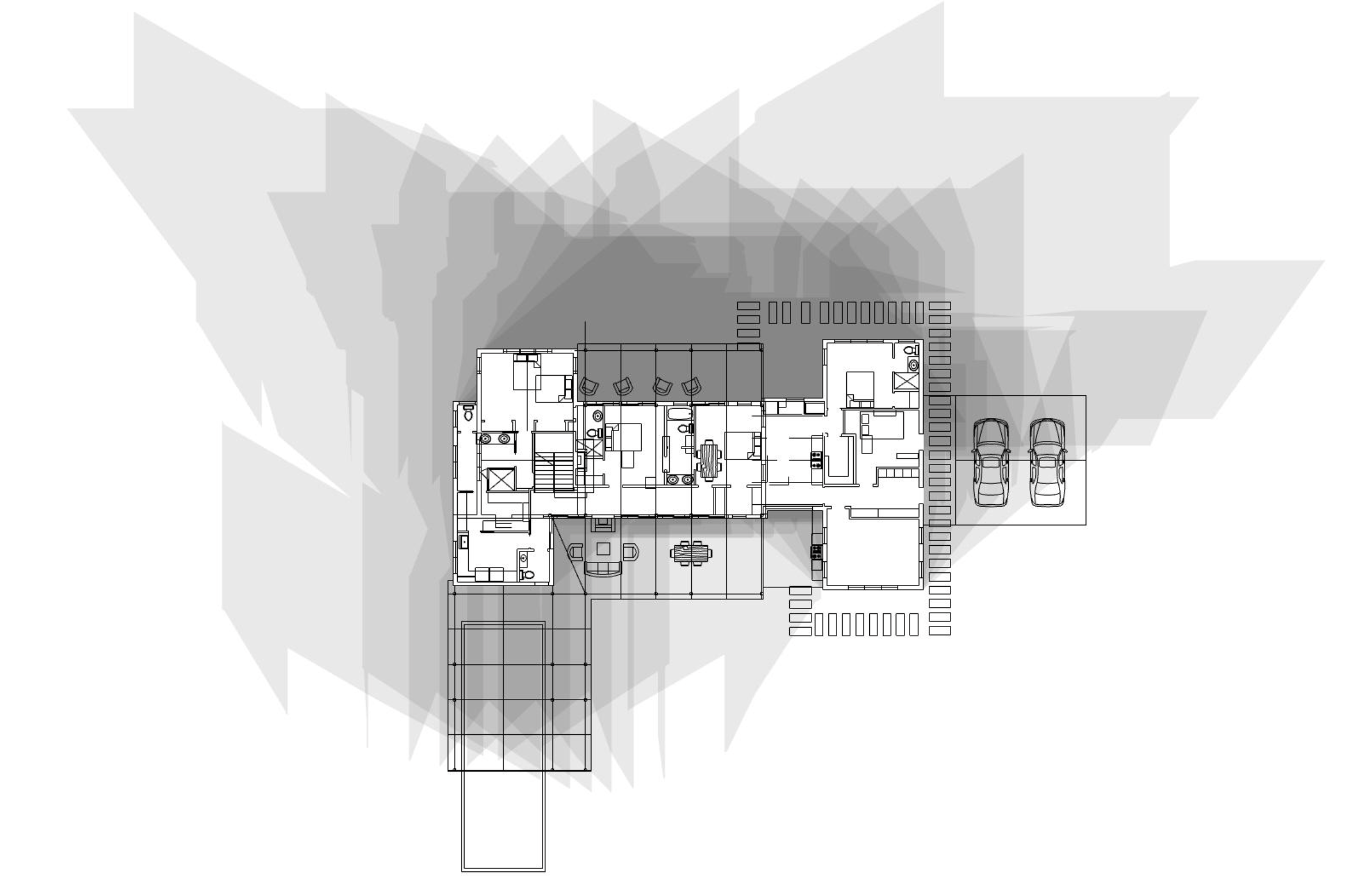
Take for example the seasonal shading analysis images below. Knowing how the building will shade its surrounding environment over the seasons empowers a designer to elementally play with light, as well as make informed choices for more comfortable outdoor living spaces. Combined with a through understanding of a given location’s outdoor comfort profile (see graph), this is a powerful analysis for a project that wants to leverage outdoor living spaces as a part of the program. This is just one way environmental design can provide powerful feedback while the design is still fluid so that changes are easily accommodated.
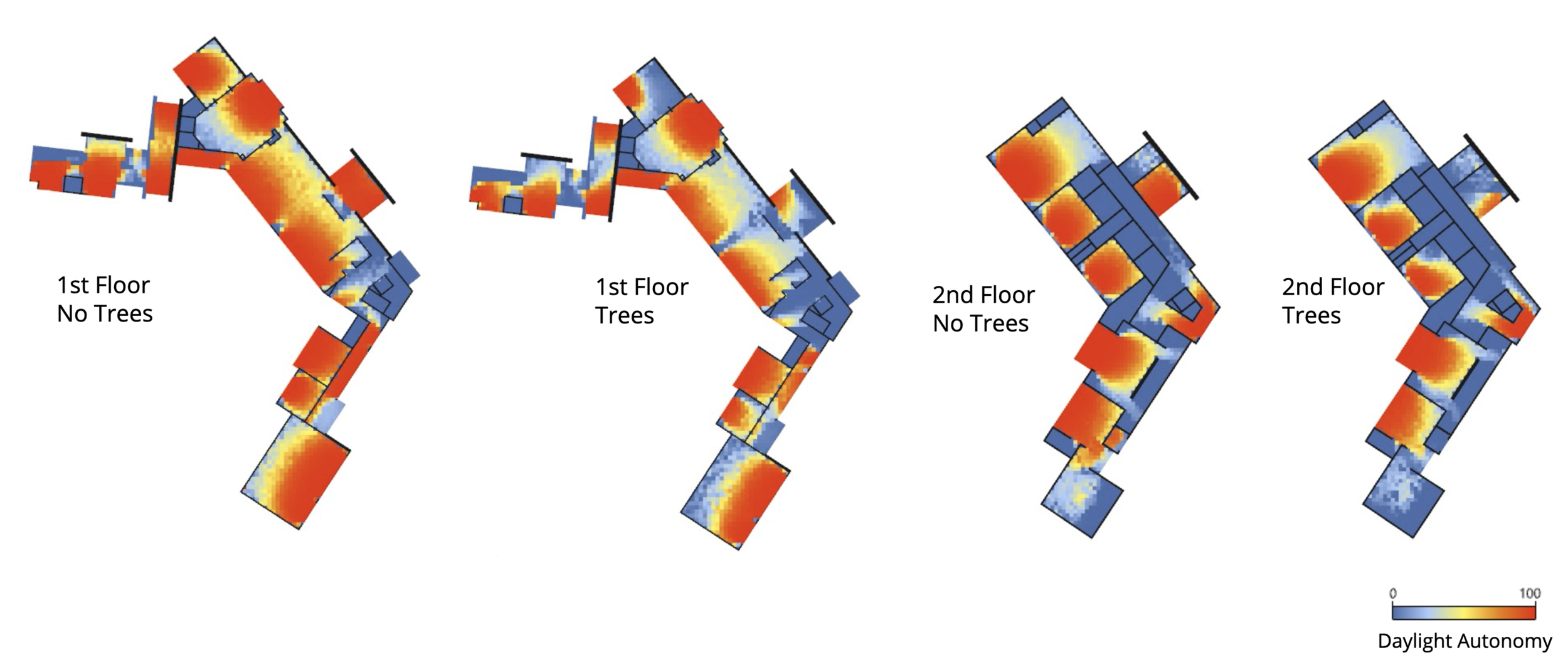
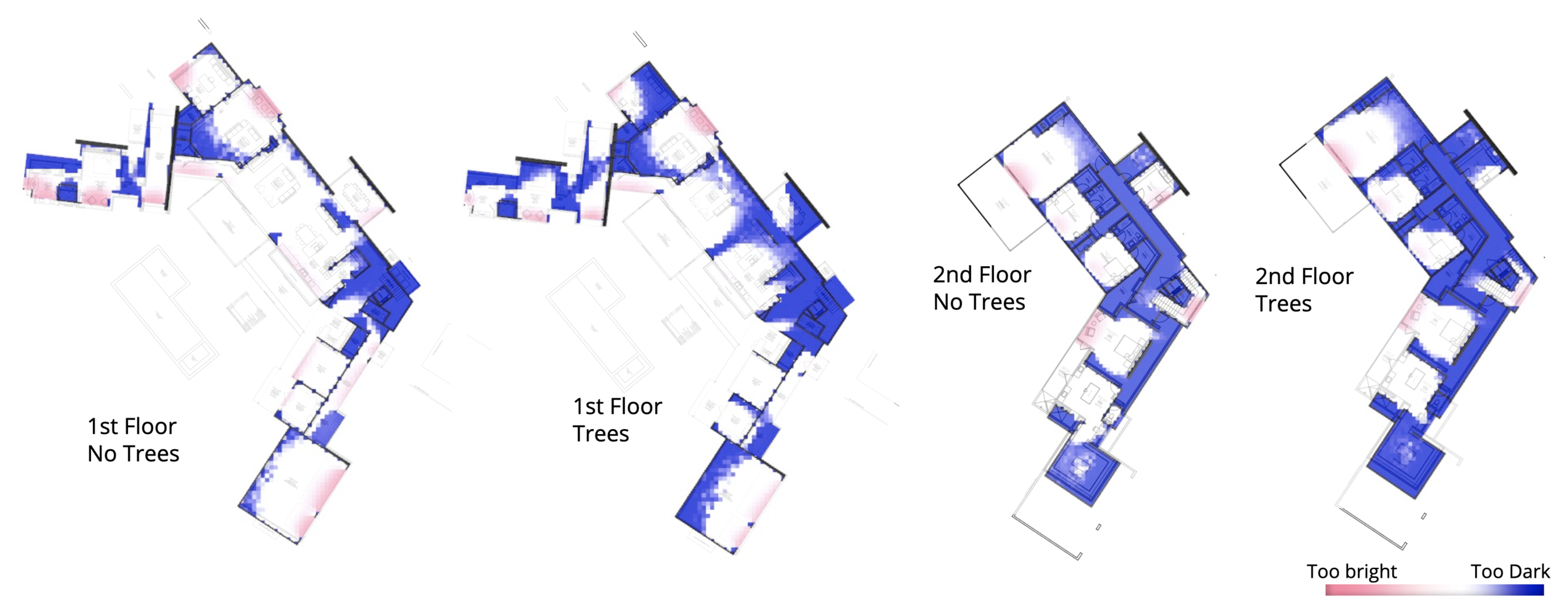
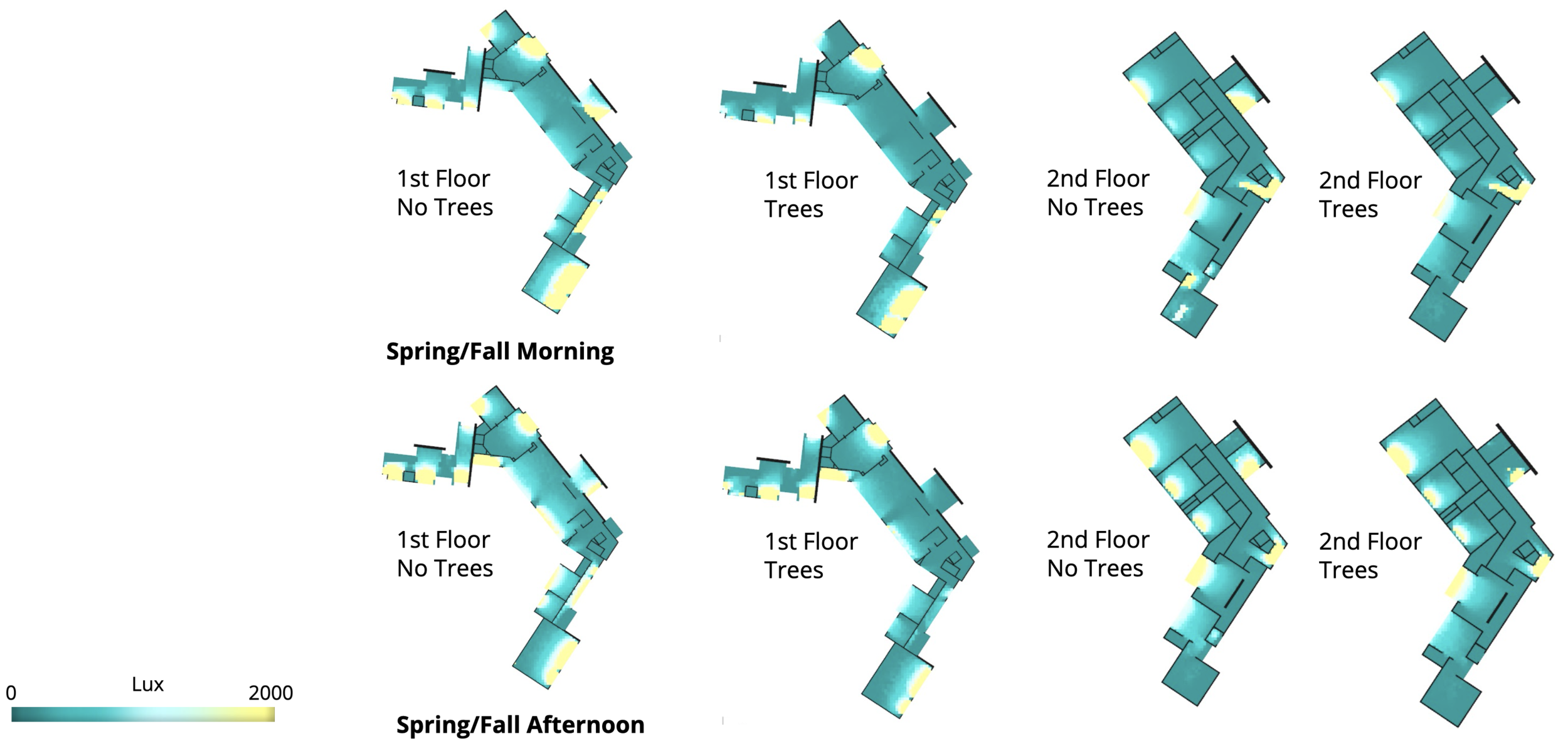
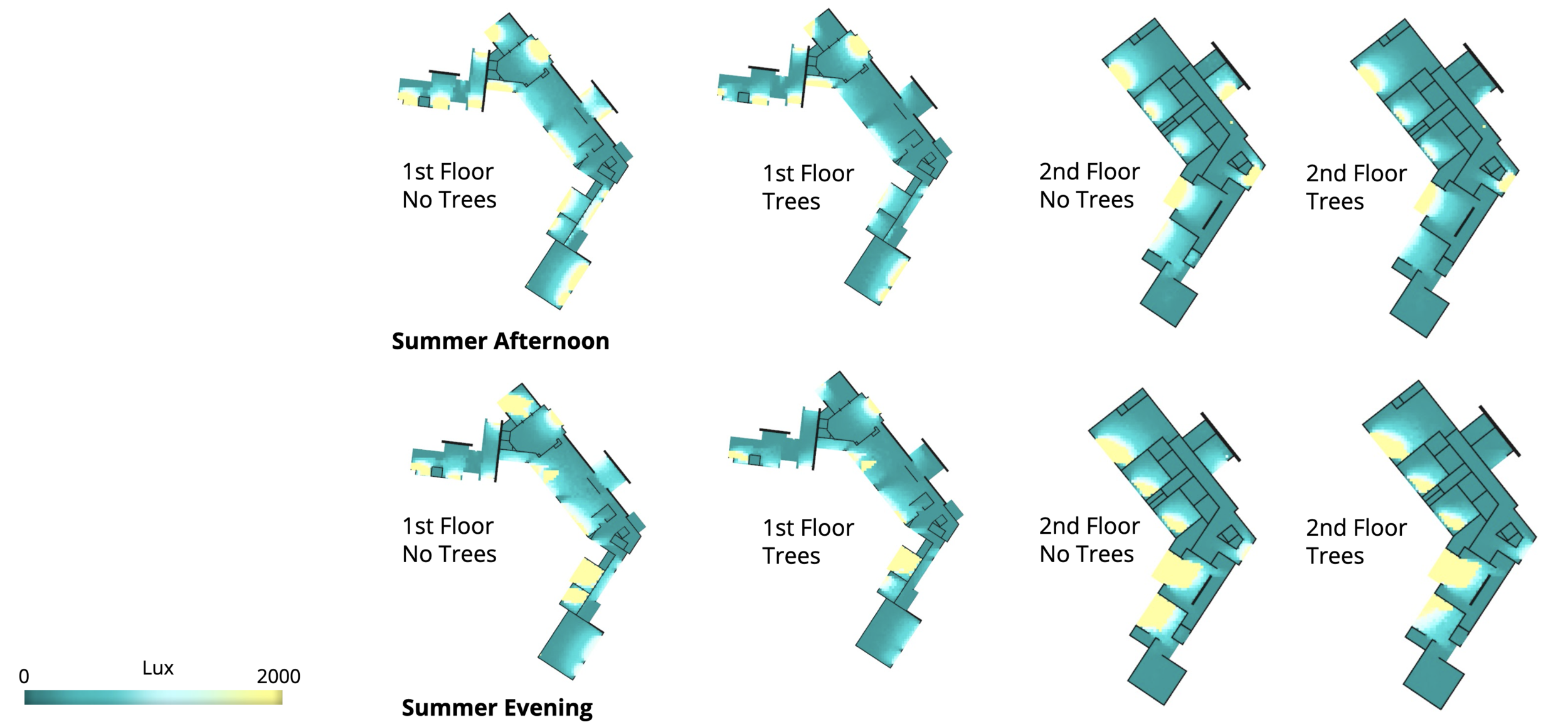
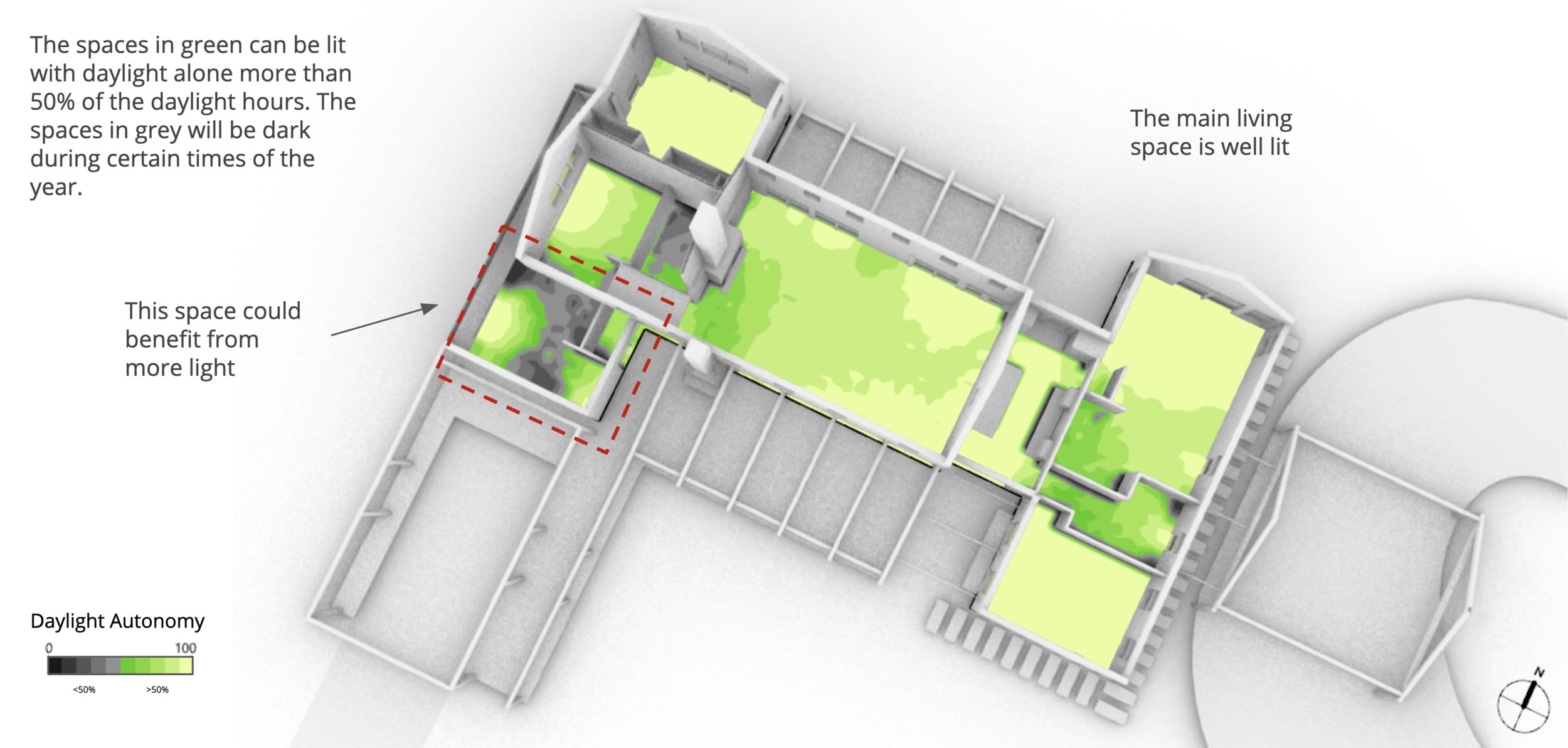
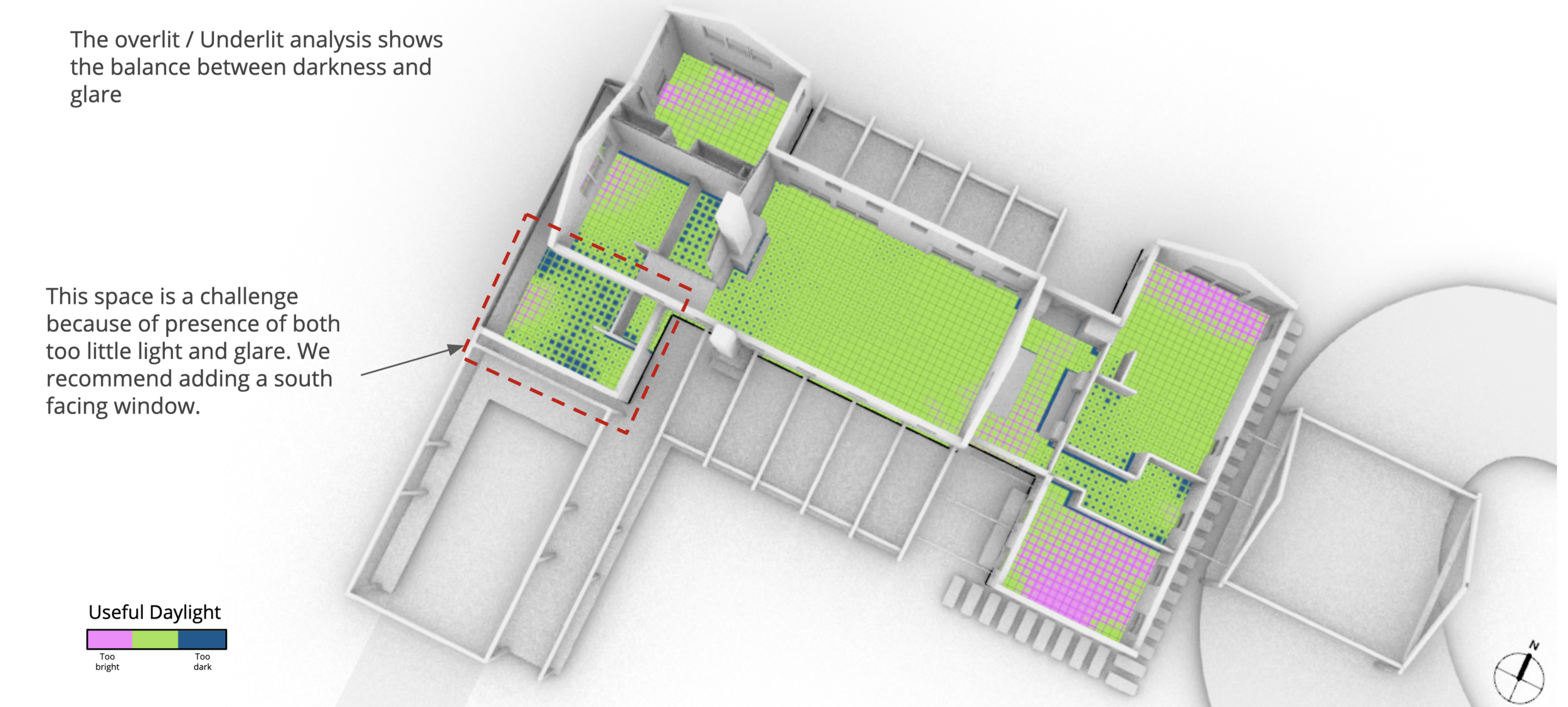
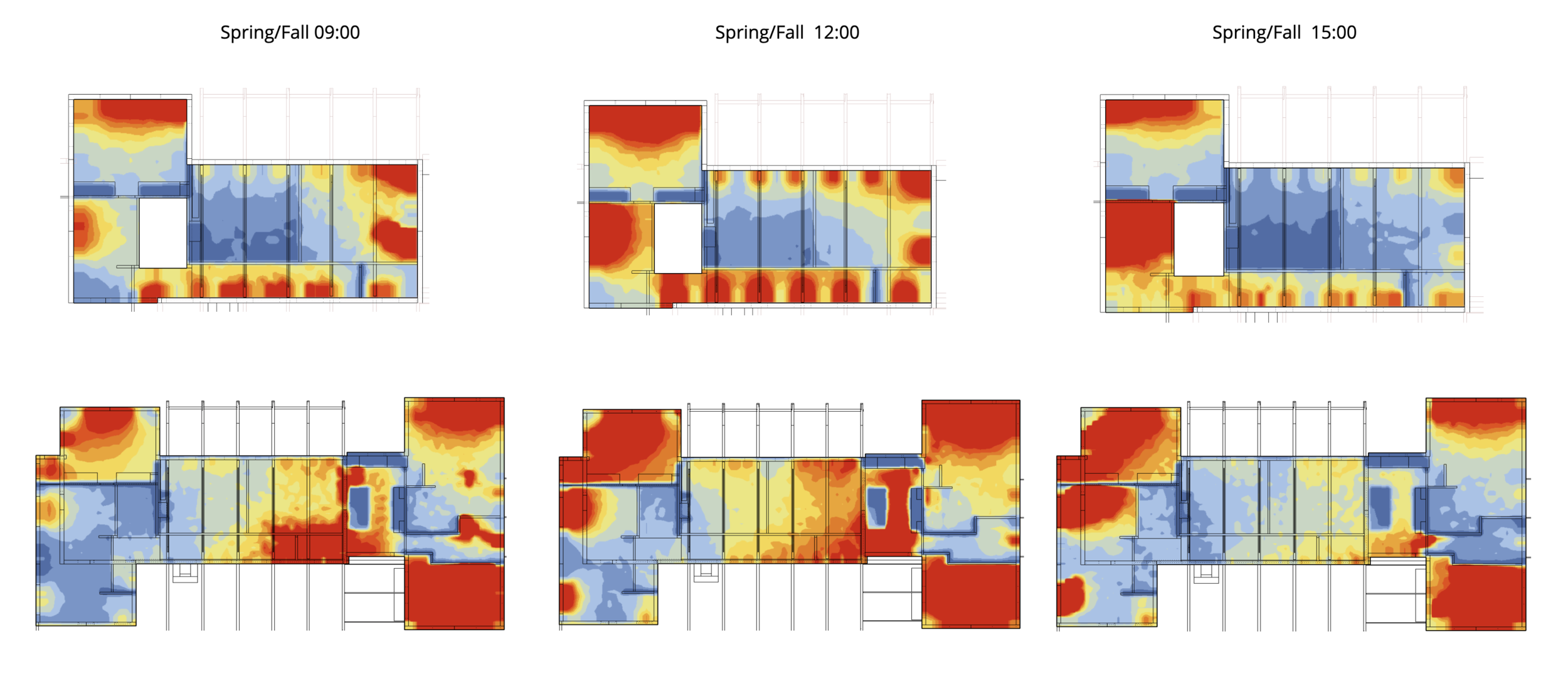
Another potent set of data to understand and visualize are daylight autonomy scenarios. We can evaluate how long a space can comfortably operate without electric lighting in these analyses in very detailed ways, accounting for trees and seasonal changes. In the images below, you’ll see a few examples of visualized daylighting scenarios expressing seasonal differences and accounting for autonomy, as well as glare. Improving a design’s ability to leverage usable daylight will improve the occupant’s visual comfort.
Heat
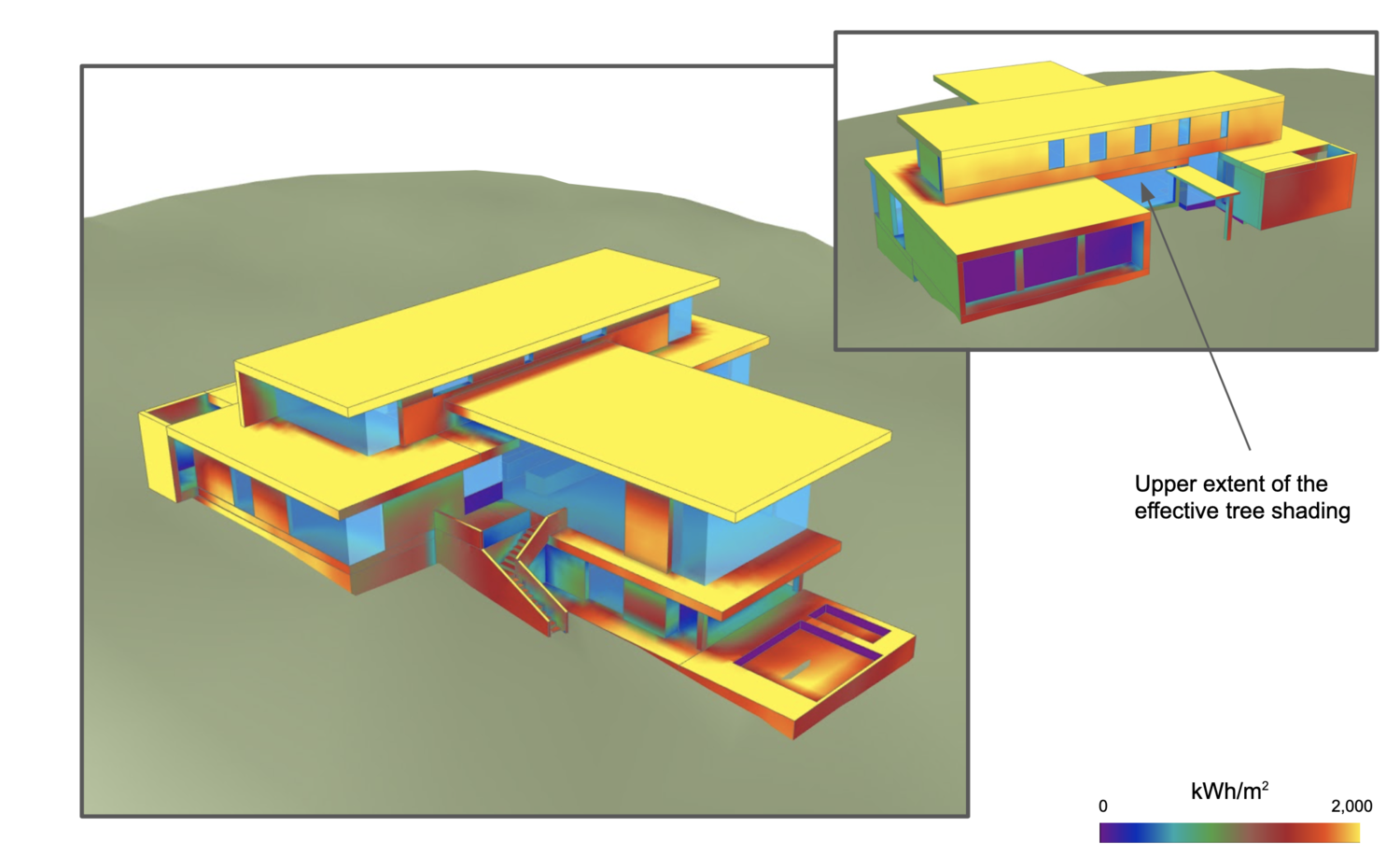
In the images below, you’re seeing an annual solar insolation study, which evaluates the architectural massing’s access to the sun. This information can inform window placement for either a winter solar heating strategy or to avoid heat gain in the summer. Self shading from the massing and shading from nearby buildings can be incorporated into various design strategies as well. Trees provide significant shading for the ground floors, but less benefit on the second floor and top of the great room.
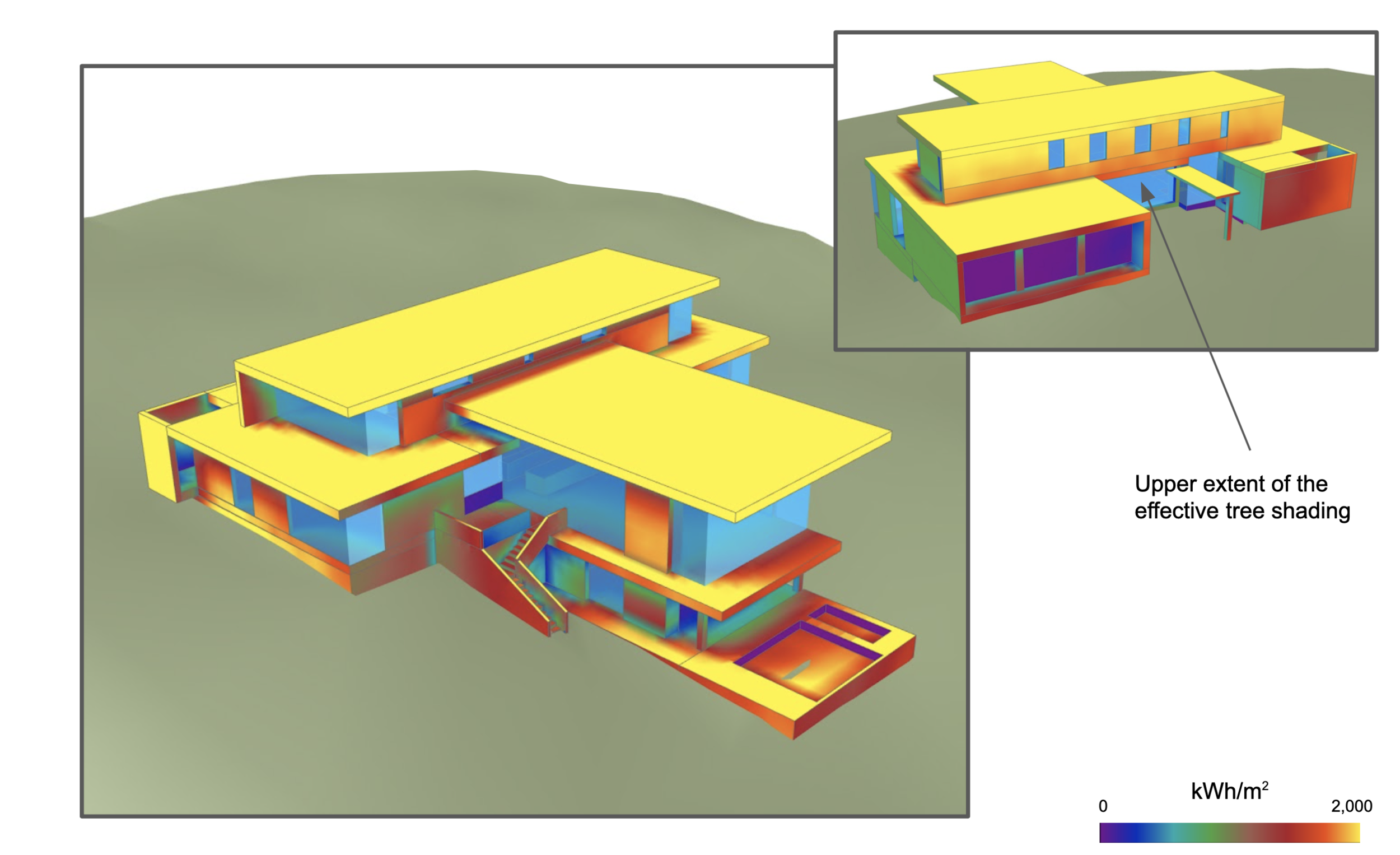
Environmental design is a great tool to make optimum impact on window selection and placement as well.
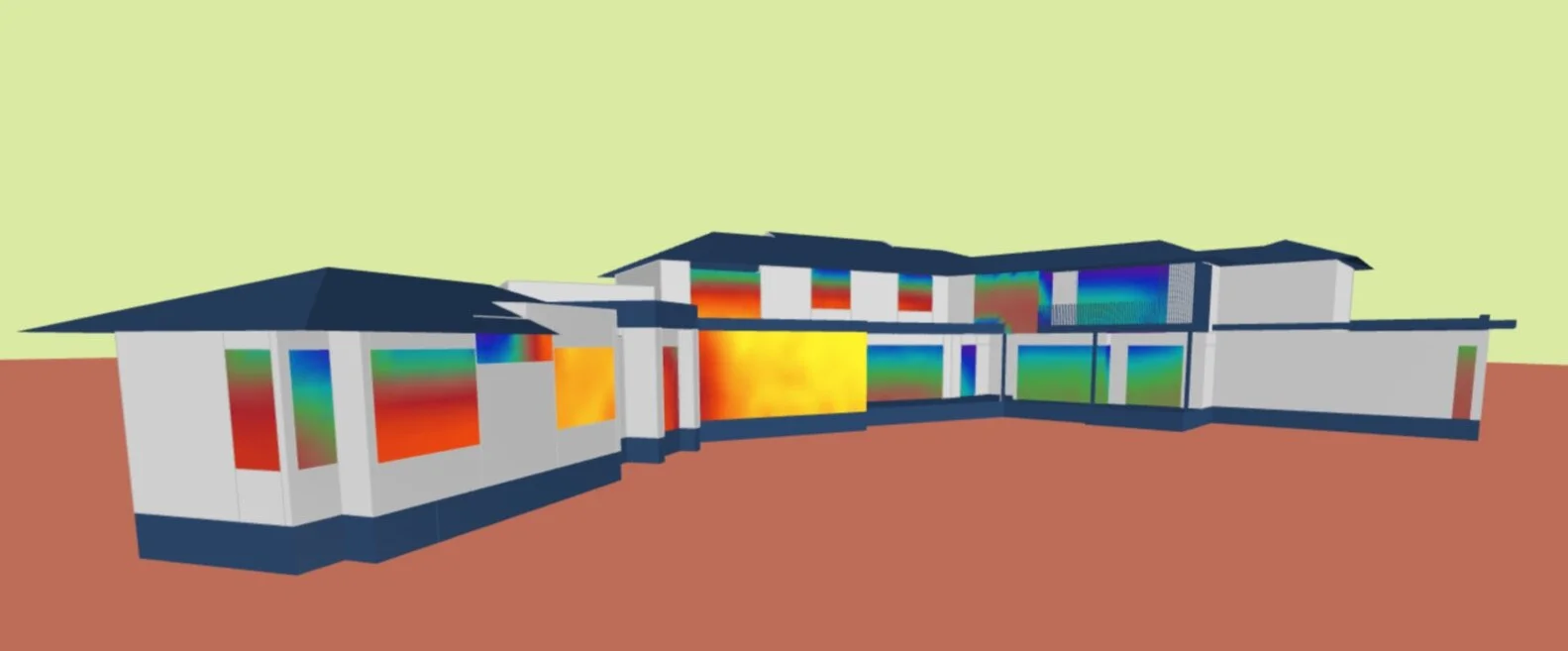
This kind of feedback is important because not all windows are created equal. The graphs in photo 2 show the annual heat gain contribution of each window. The three windows marked in yellow account for 39% of the total annual heat gain. The western facing windows on the second story are small, but also receive very direct solar energy in the summer. Boom - right there we can see some low hanging fruit to guide design decisions. From a thermal gain perspective, these windows could benefit from a reduction in size, and exterior shading strategy or a low SHGC film. Dealer’s choice.
What makes this kind of analysis useful is to get an early handle on potentially high thermal load contributing windows before the client has seen the concept and falls in love with the way things are. It’s a great time to identify strategies for thermal baseline improvement - like adding or extending overhangs, moving or re-sizing windows, etc. - without an unnecessary battle to “undo” something a client has already seen.
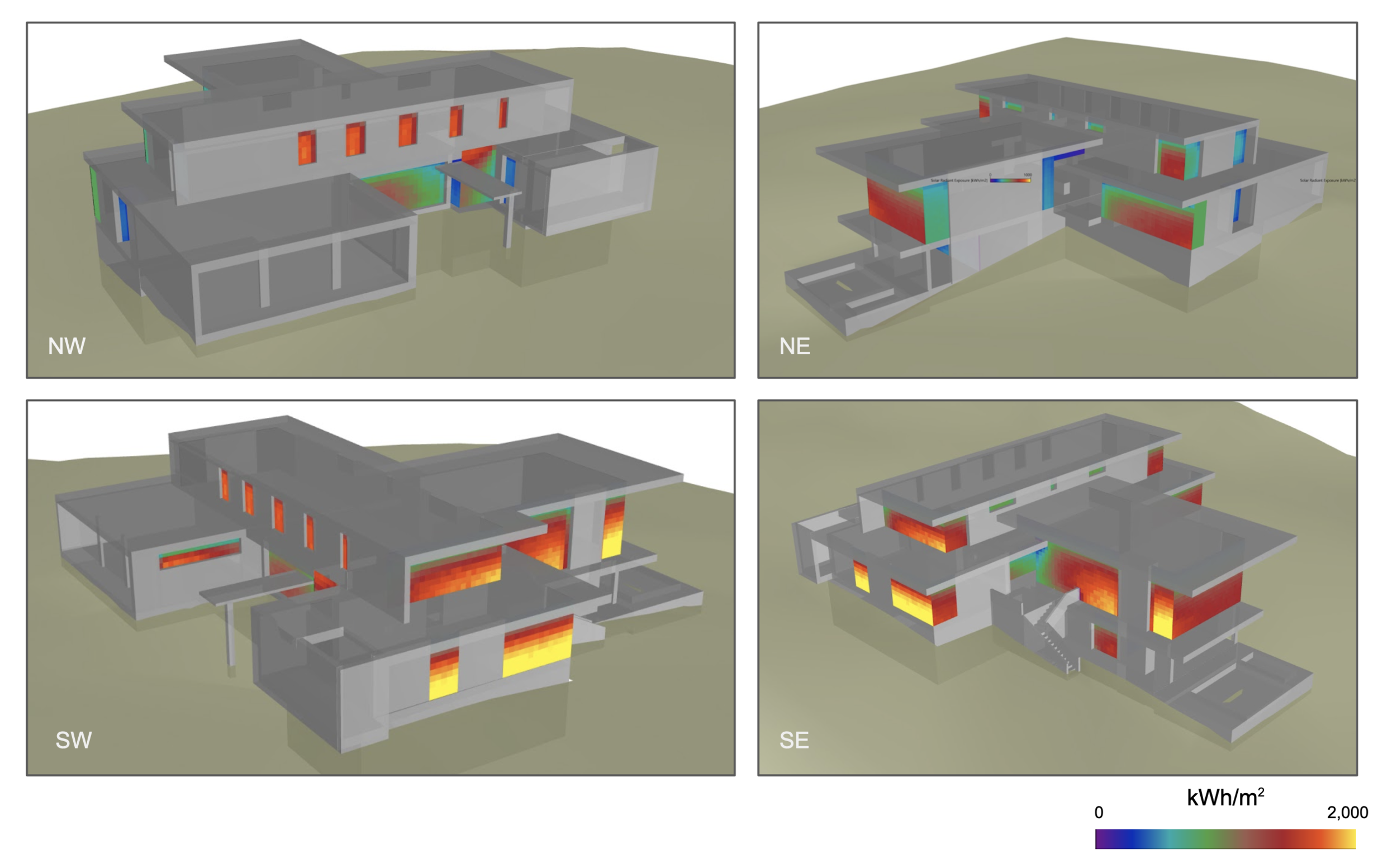
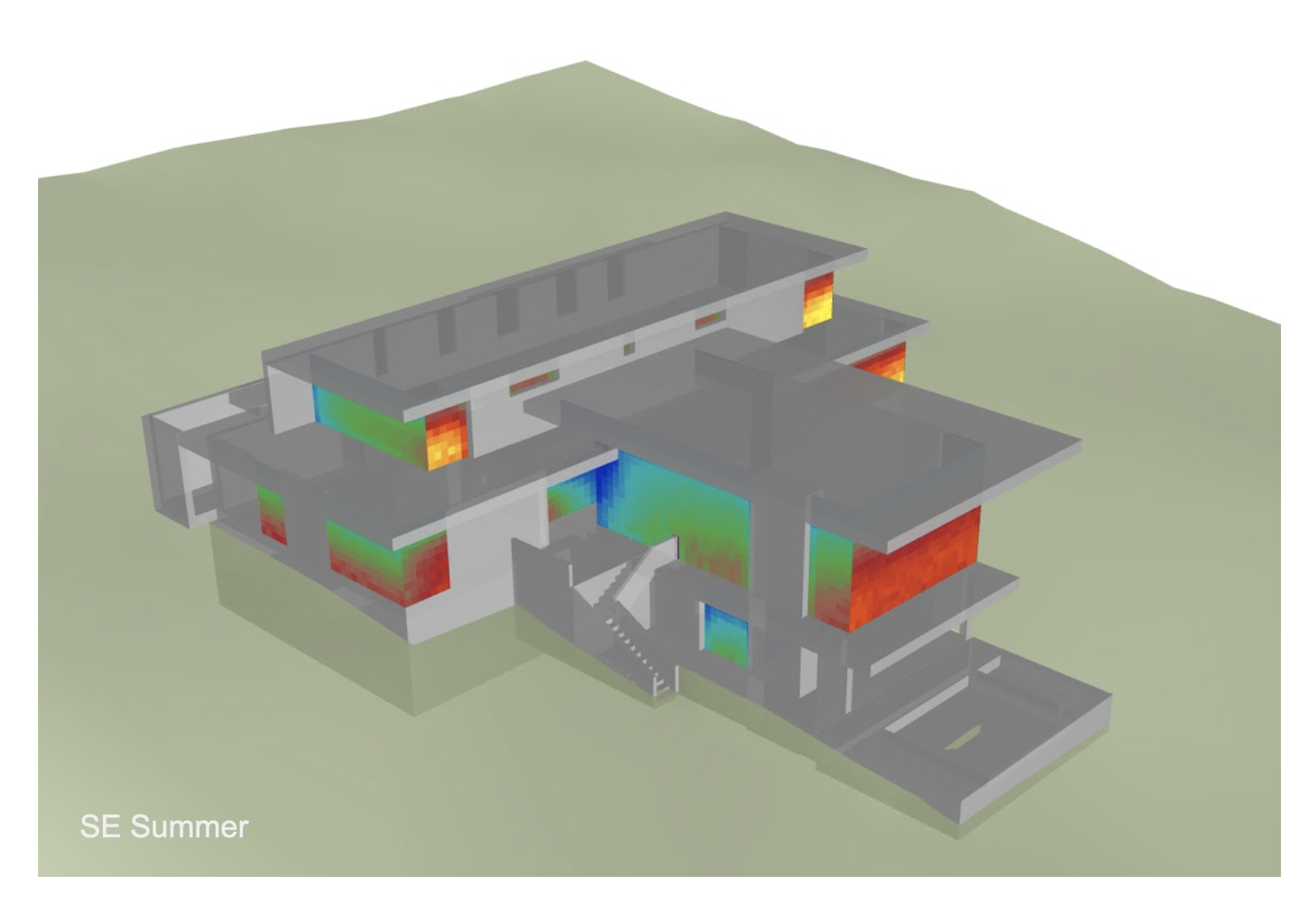
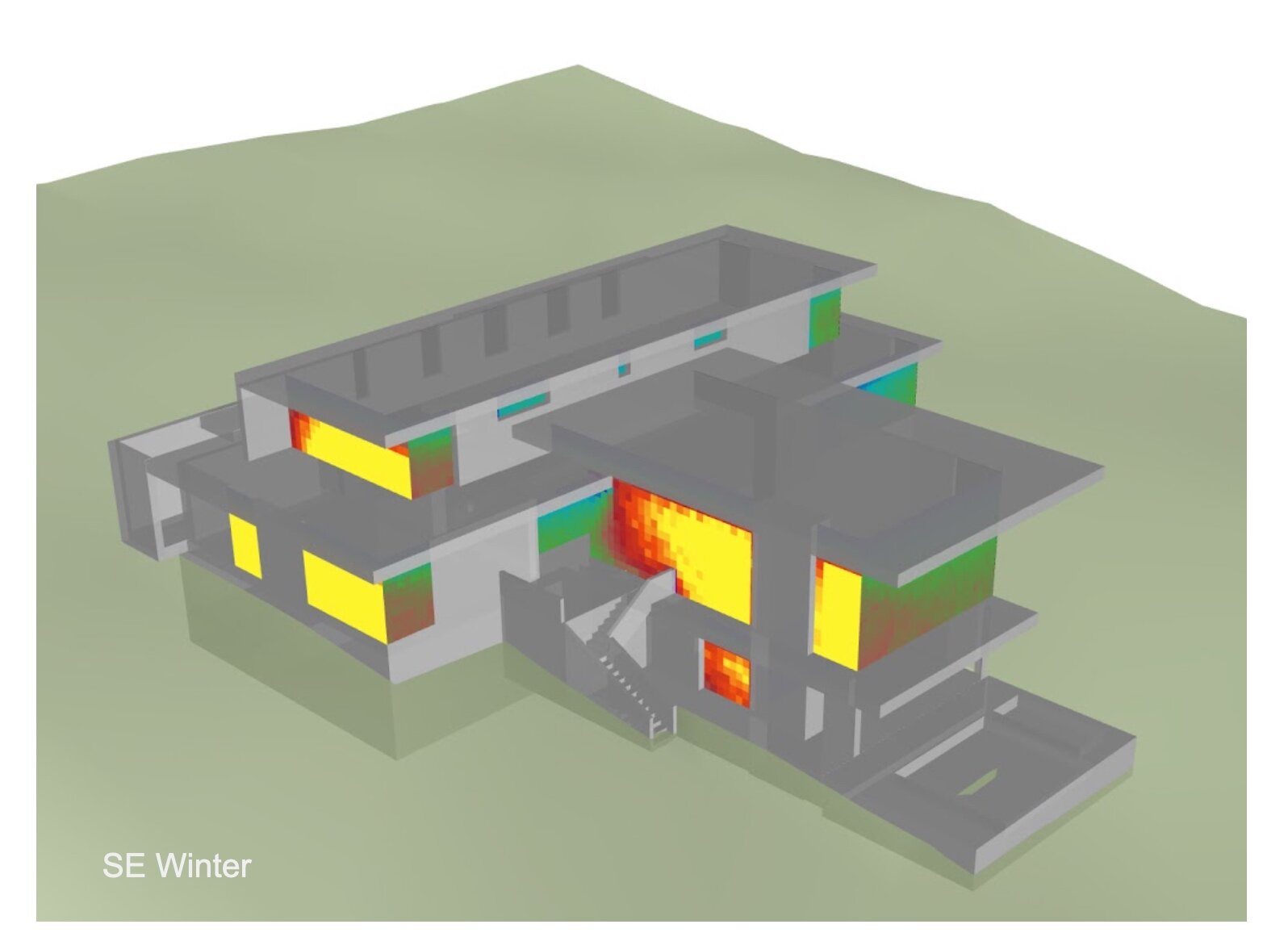
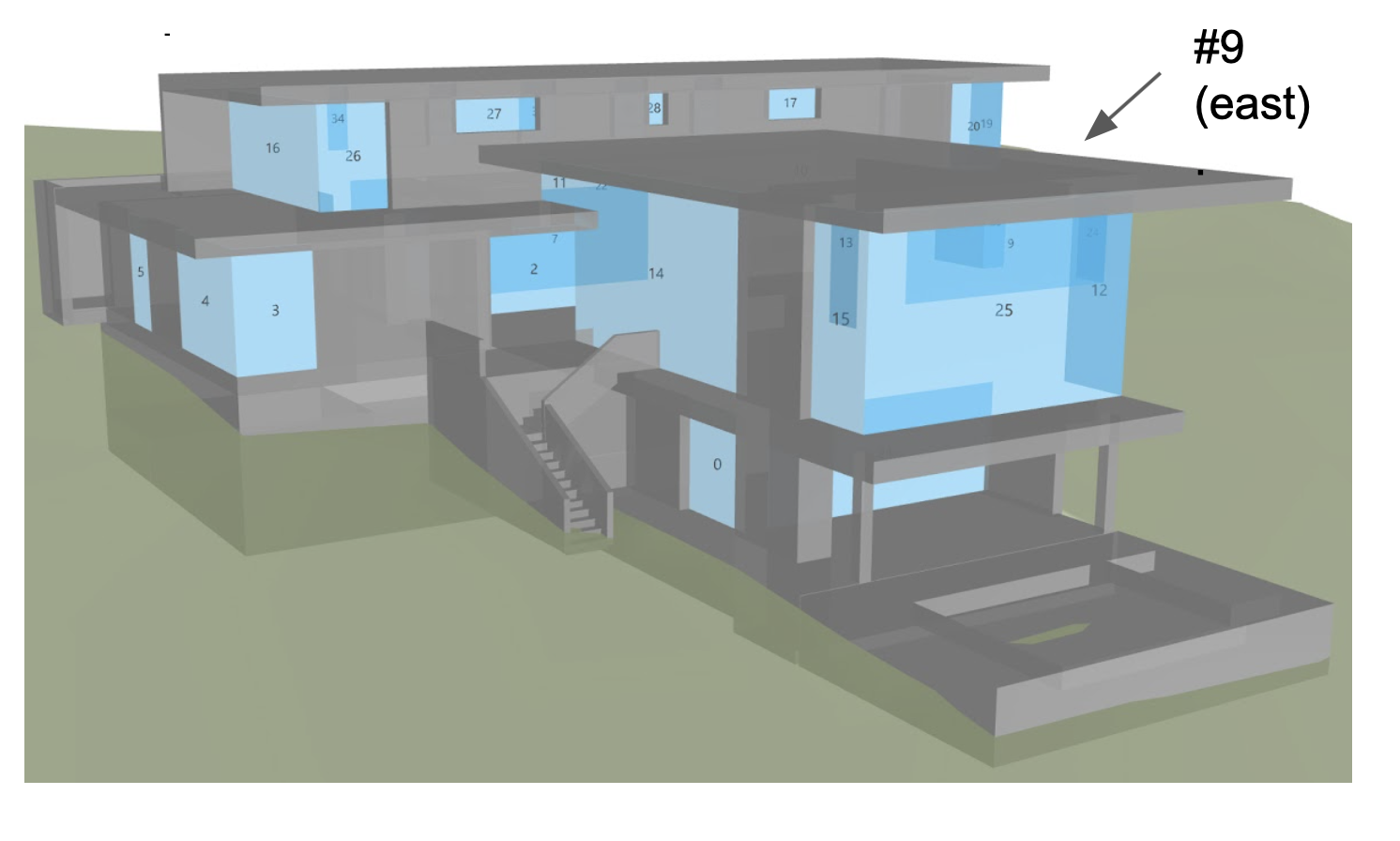
Window identification graphic used in conjunction with radiation and radiation density charts
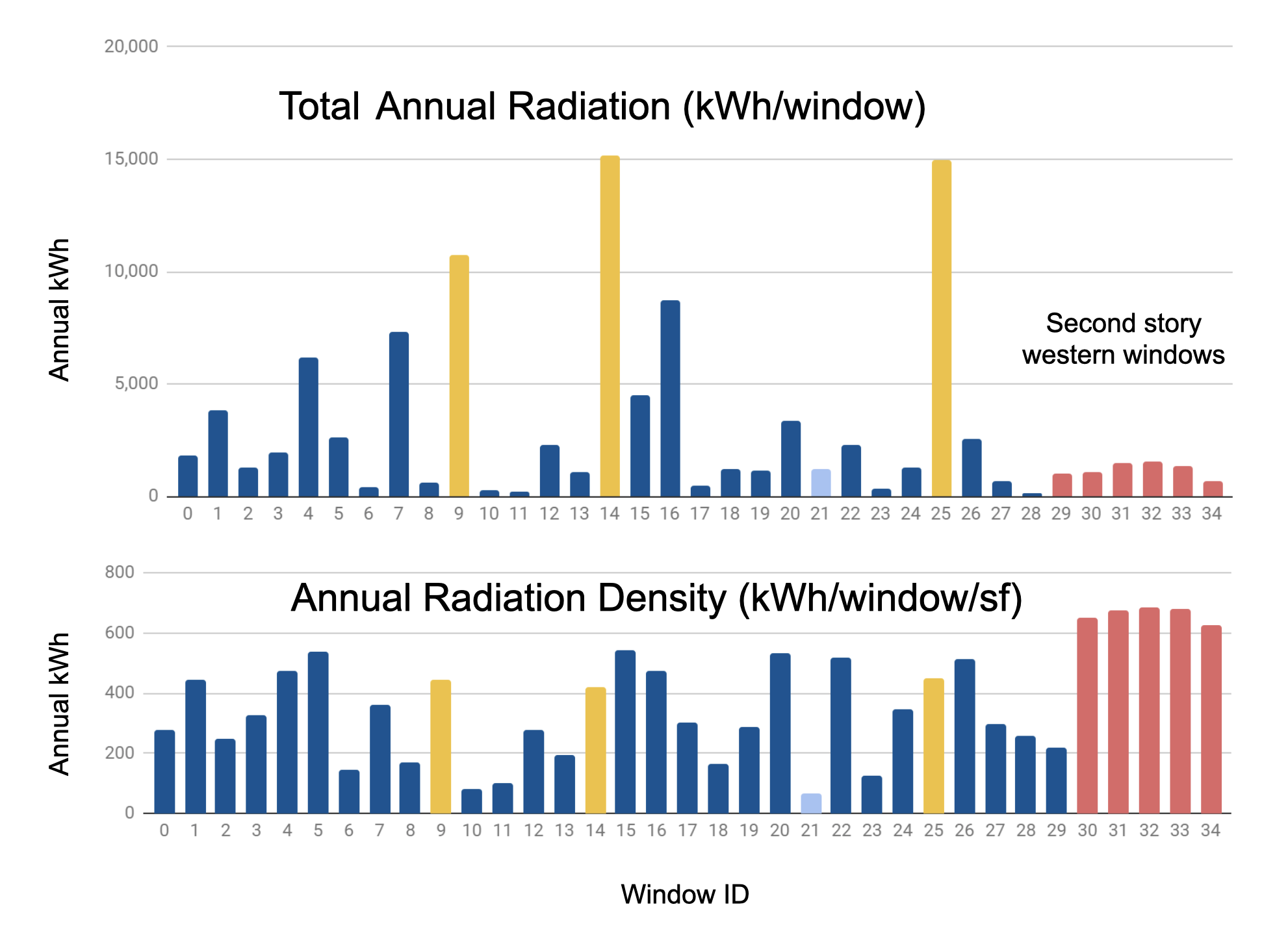
Window radiation and radiation density charts used in conjunction with window identification graphic
Strategies
There are many other useful pieces of feedback that environmental design can highlight as well depending on the project.
We can look at enclosure details and performance (even benchmarked in comparison to multiple building standards).
We can look at healthy building materials.
We can look at embodied carbon.
We can look at natural ventilation potential.
We can compare massing performance in different rotation scenarios.
We can look at conceptual energy baselines, evaluating where improvements can be made across the entire building.
We can look at indoor air quality criteria.
We can look at future climate considerations.
The list goes on and on. All this to say that there are powerful tools often left on the table in the early stages of design that result in less than optimal outcomes down the road. We have the ability to shake this outdated paradigm and plug in data-driven decisions into the conceptual design process. That’s exactly what we’re here to help with - we just need to be engaged early enough to make a difference. But once the process is underway, the outcomes are all the proof any designer needs to make it a part of their process forever.
Texas' First Radiant Cooling & Heating System (That We Know Of)
Greetings building science enthusiasts!
We're delighted to share with you all that we've completed the installation of the first radiant cooling & heating system installed in Texas (that we know of). You might be saying to yourself now "wait a minute, I've totally seen radiant heated floors in Texas before. What are you talking about?" and you'd be correct. The system we're talking about is a bit different for a few reasons - it's not in the floor AND it's not just a heating system. It's a cooling and heating system that sits in the ceiling of our office. If that sounds crazy to you, well... it is. Keep reading. This was a serious research and development project for Positive Energy and we felt like it was kind of a crazy endeavor too.
It all started when Kristof took a course on mechanical systems with a man named Robert Bean (who is a Canadian gentleman genius and founder of healthyheating.com), who referred us to a book by Kiel Moe called Thermally Active Surfaces In Architecture. It's a phenomenal book.
But don't just take my word for it. You'll find some beautiful excerpts and graphics from the book's introduction throughout the remainder of this post.
“Why do we heat and cool buildings with air? How did a thermodynamically and physiologically irrational medium of heat transfer - air - become the dominant method of heating and cooling buildings? ”

"Water is 832 times denser than air."
"Energy Density is directly related to the density of a material. Water can capture and channel far more energy per unit volume than air. Thermally active surfaces are built around this basic principle."
“The human body is a hydronic, thermally active surface system. Heat energy is transferred in and around a body through the hydronic circulatory system. The heart circulates heat through the blood back and forth between the core of the body to its skin, a thermally active surface. Its thermal system is decoupled from its ventilation system. ”

"Thermally active surfaces in buildings follow this logic, literally."
This alters energy consumption and amends human comfort. Thermally active surfaces in buildings are not metaphors for the body and do not mimic a natural system. Rather, they share the same thermo-dynamical system. In this century, building science and systems will follow how the body actually functions.
Obviously we were interested in exploring this kind of technology for many reasons. In fact, we did an entire podcast episode on the basic principles of radiant heating and cooling very early on in our podcast tenure. It was then that we saw the spark. We knew we were onto something. But given the fact that accommodating supply chains are virtually non-existent here in Texas, we looked west to California. That's where we found Messana. They're a manufacturer of radiant heating and cooling panels (thermally active surfaces) out of Italy and Santa Cruz, CA. We were so excited about meeting them that we did another podcast episode on radiant heating and cooling systems during our California visit a couple of years ago.

If you haven't subscribed to our podcast yet, shame on you. Get to it!
What was so immediately striking to me about this technology was the fundamental shift in thinking about how we heat/cool spaces. We've all seen radiators used in heating dominant climates and chilling beams used for commercial applications in cooling dominant climates, but never before had I conceived of turning the actual building surfaces into radiant surfaces. It took some time for me to wrap my mind around, especially the specifics of avoiding condensation, putting fluid in the ceiling, etc.
More from Kiel Moe on the matter:
“Cooling is a deceptive concept. If a building does not get hot, it does not need to be ‘cooled.’ Thermally active surfaces ‘cool’ by continuously removing heat energy. This is fundamentally different from air based approaches to cooling. If a surface is cooler than the bodies and objects in its space, it is removing heat from those objects and has the effect of cooling. There is no circumstance when the surface temperature should be near or at the dew point temperature to heat or ‘cool’ a space. As such, condensation is not an impediment to thermally active surfaces. ”
There is that fundamental shift - high temp cooling and low temp heating. It seems paradoxical, but it actually makes perfect sense when you take a look at the way heat transfer occurs.

Thermally active surfaces utilize low-supply temperature heating and high-supply temperature cooling to achieve human comfort.
This can save an immense amount of energy in the next century of building.
So there we were with all of this novel information about how the AEC industry is literally staring down the barrel of its own revolution, and we just couldn't let it lie. Gathering the chutzpah to pull this installation off was not exactly an easy process. Very early on, we were presented with a number of challenges that slowed us down and puzzled us. Were this an air-based VRF system, we would have had massive resources to leverage more or less at-will, but with a radiant technology, the local trade and manufacturing infrastructure to install is virtually non-existent in the Texas market right now. Add to this the fact that we had only theoretical expertise in how this could work and you have an installation requiring a significant amount of organization without a lot of organization. But we're suckers for a little bit of self inflicted pain so we rallied behind the general level of excitement to follow through. We worked with Messana, SpacePak, UltraAire, and assembled the "big pieces" of the installation.

Smiling Faces On Installation Day 1
With the help of our good friend Greg Cross out of Santa Cruz, CA (former Messana installer and wihz) we gathered the necessary equipment, ordered plenty of tacos, and got to work. There's a lot involved - sweating copper, running pex, hanging sheetrock, schematic layouts, system commissioning. Please don't try this at home unless you've got a professional on board or you're just averse to keeping your wallet full.
At this point you might be wondering "what the heck does a system like this even look like?" Well you're in luck - Matt Risinger came over to take a tour.
We also made a pretty geeky video walking you through the whole thing in more detail.
As you can see, it's a complicated system, but the benefits of a low exergy system like this are bountiful.
Incredibly Low Site Energy Usage
Simulated Mass
Quiet Operation
Improved Thermal Well Being

Heat Transfer
"How did a thermodynamically irrational medium of heat transfer -air- become the dominant method of heating and cooling buildings?
Here are some highlights of the installation:
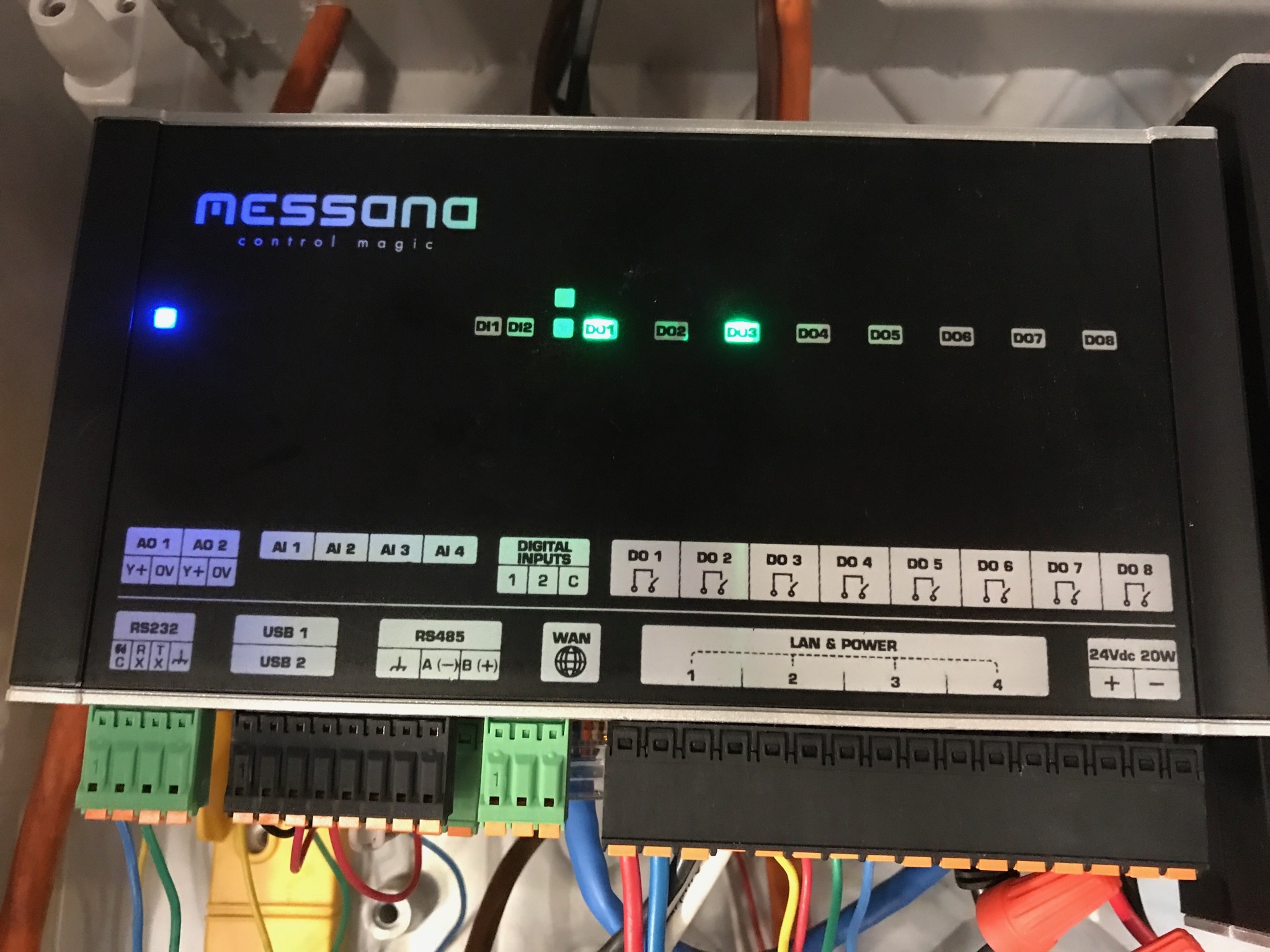
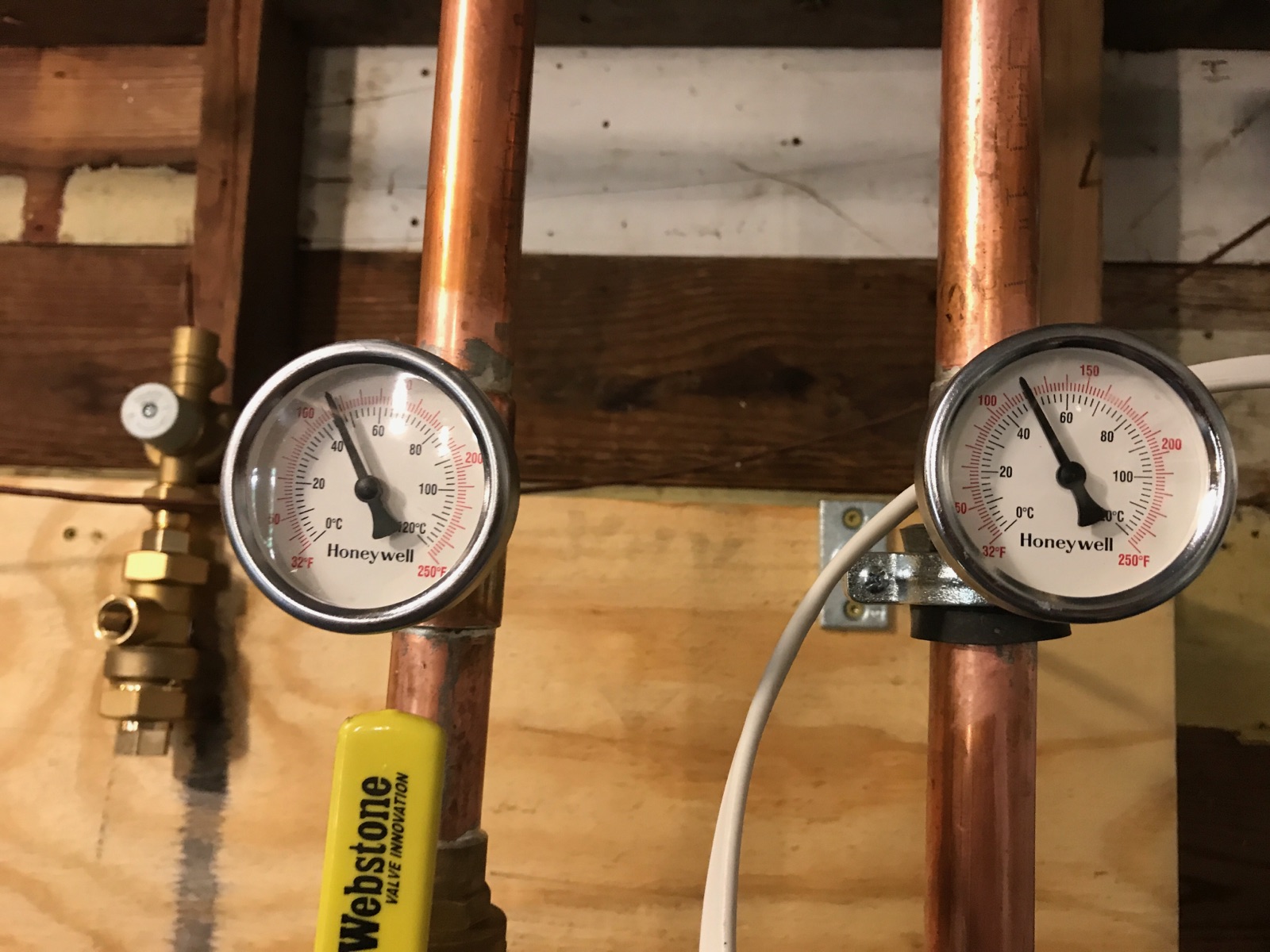

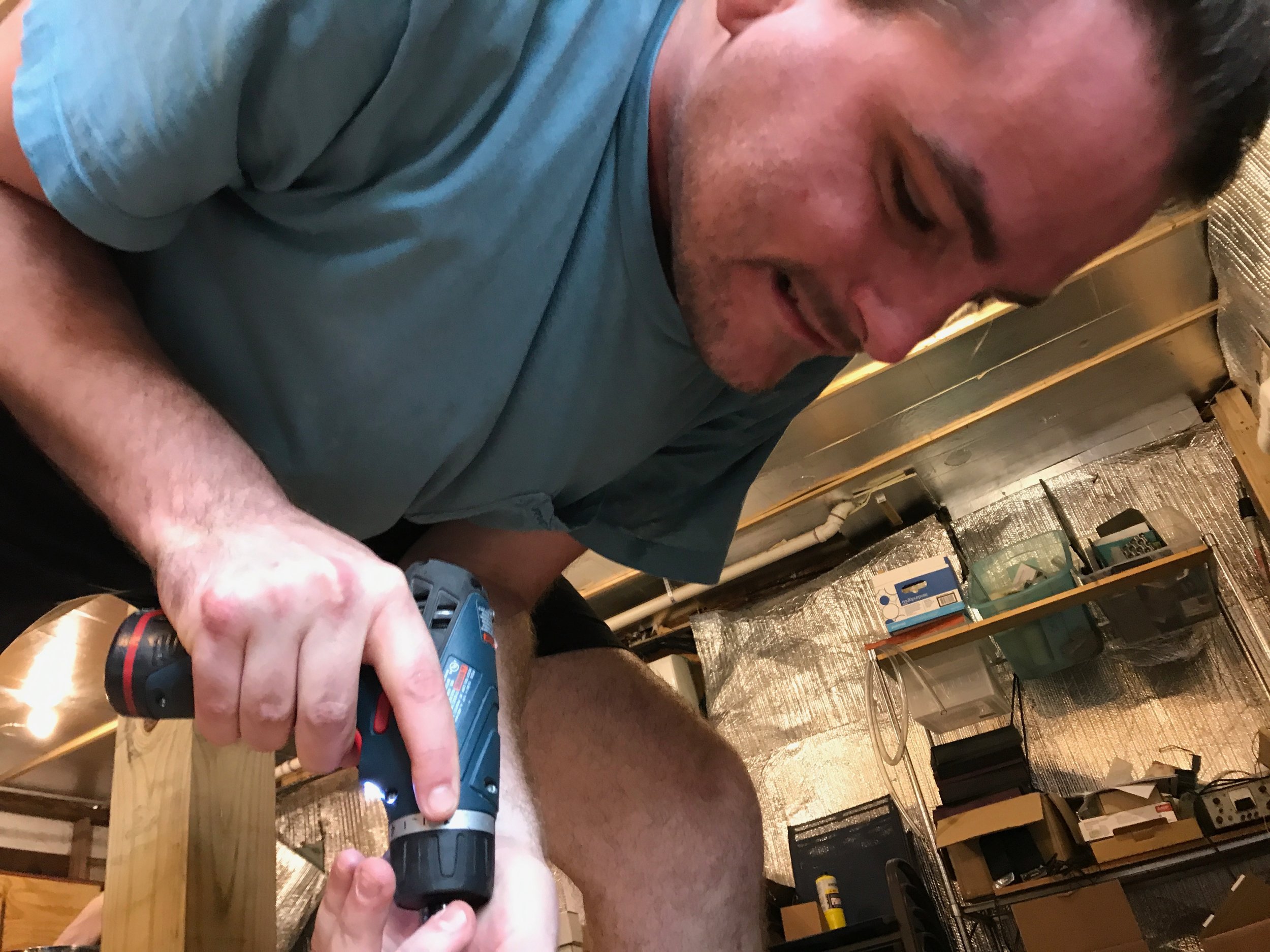
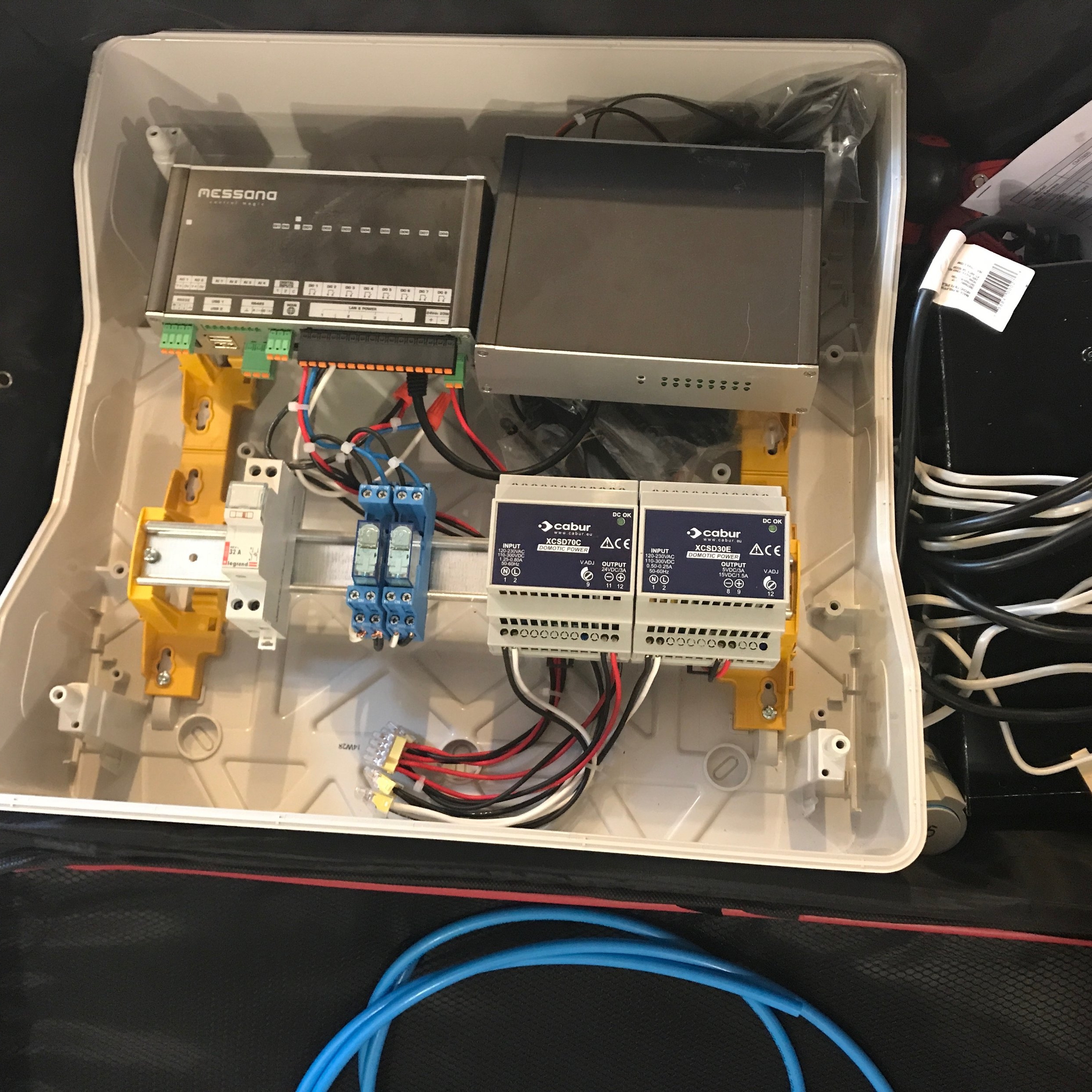
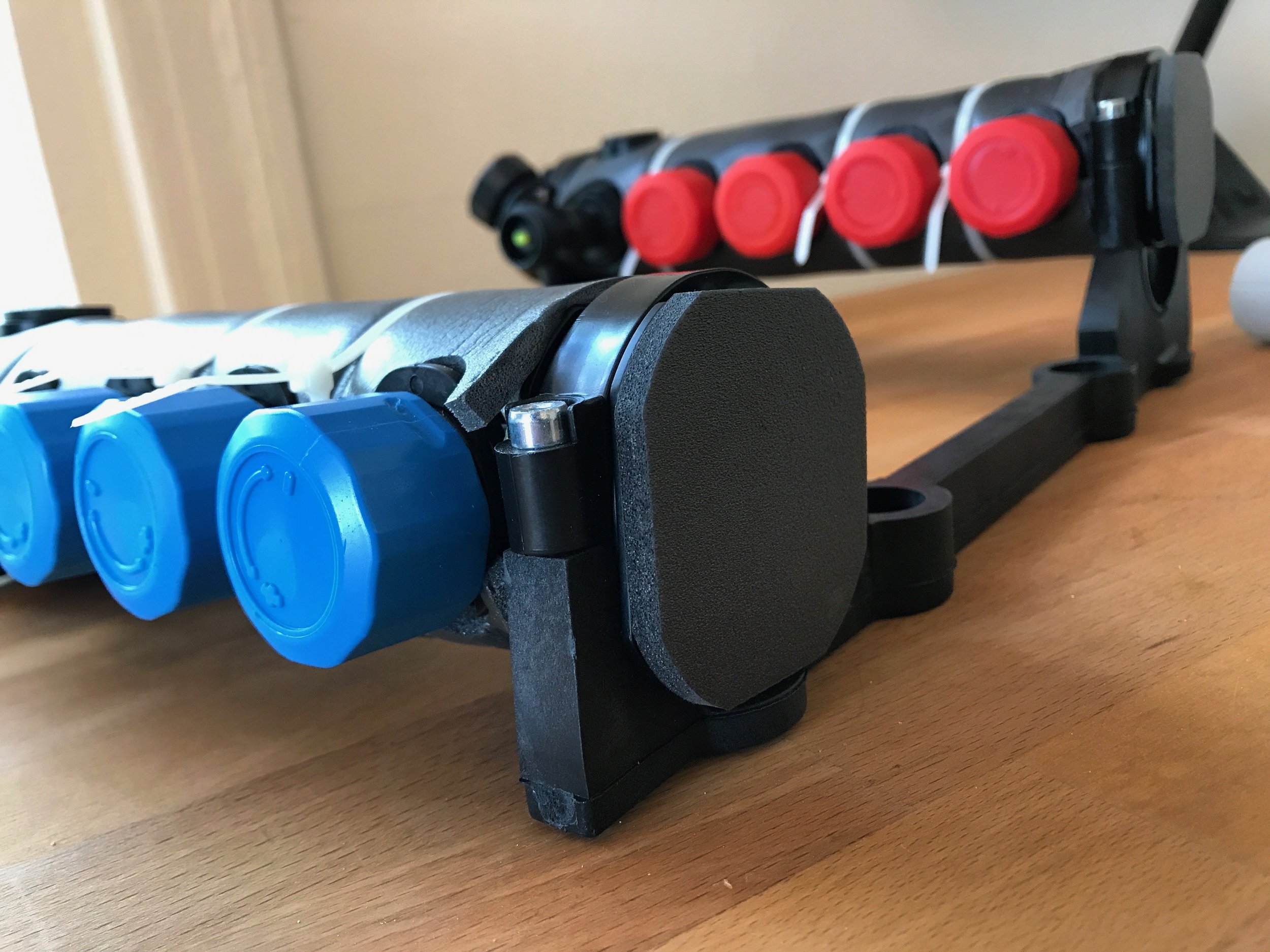

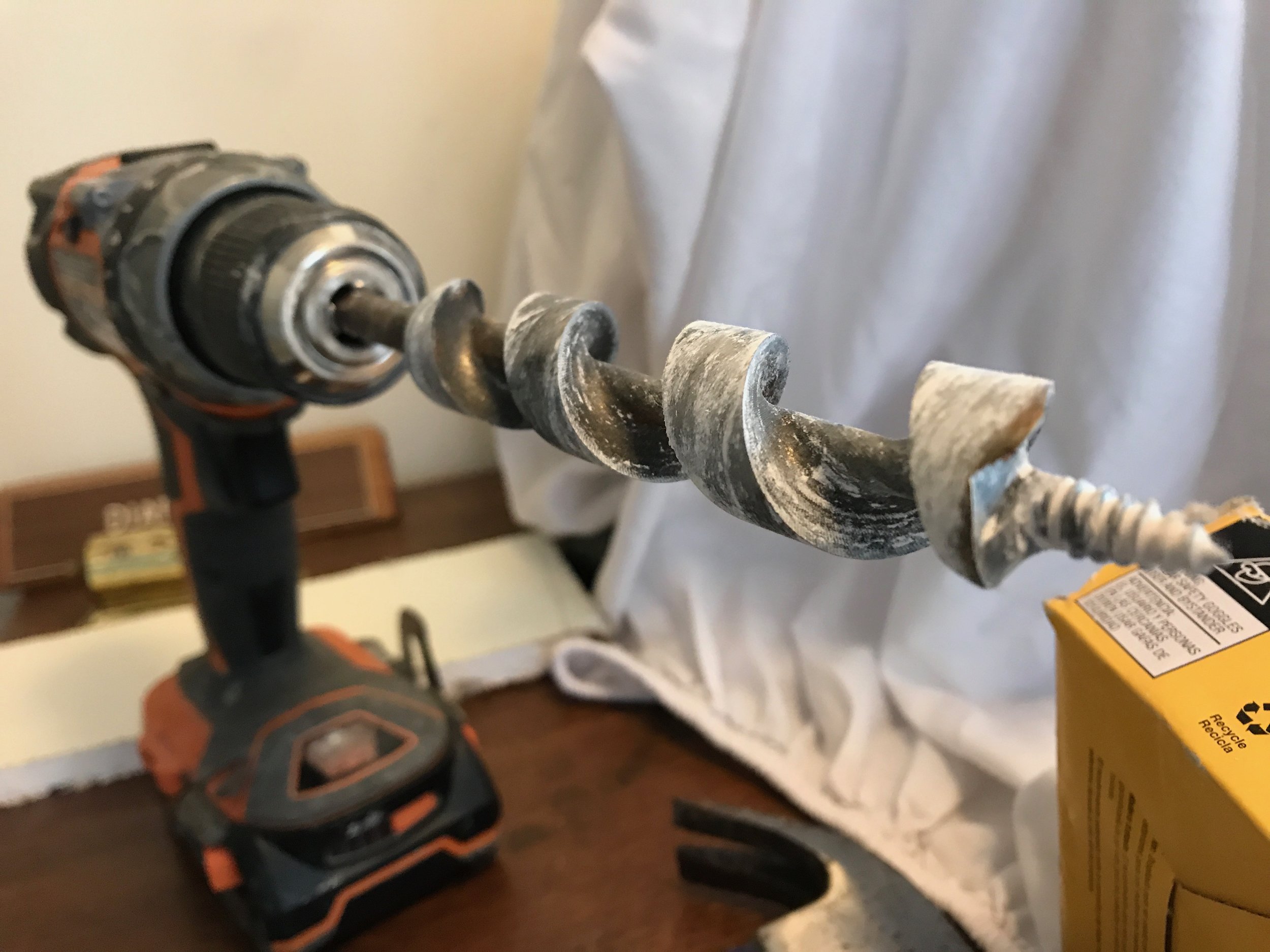


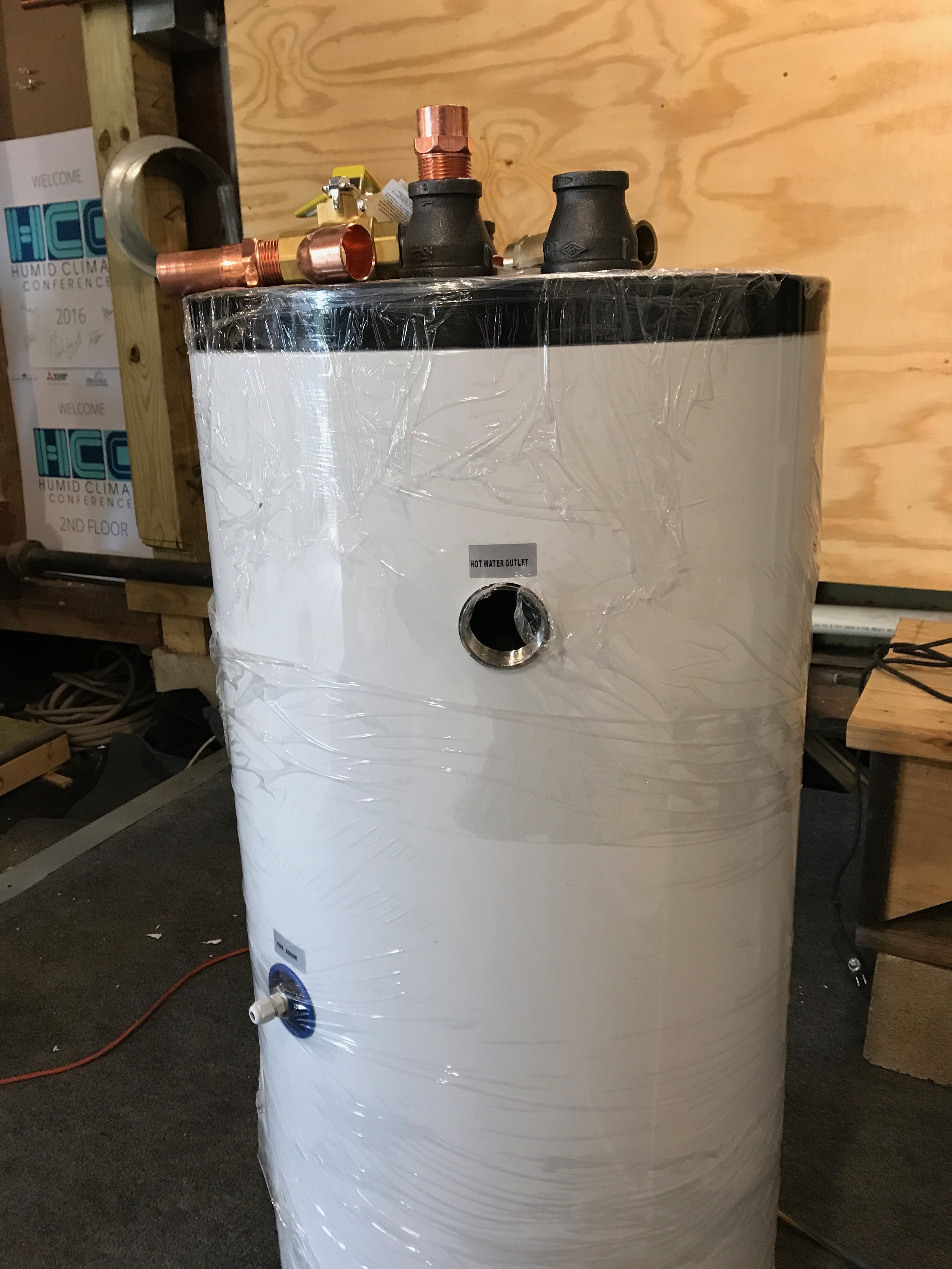
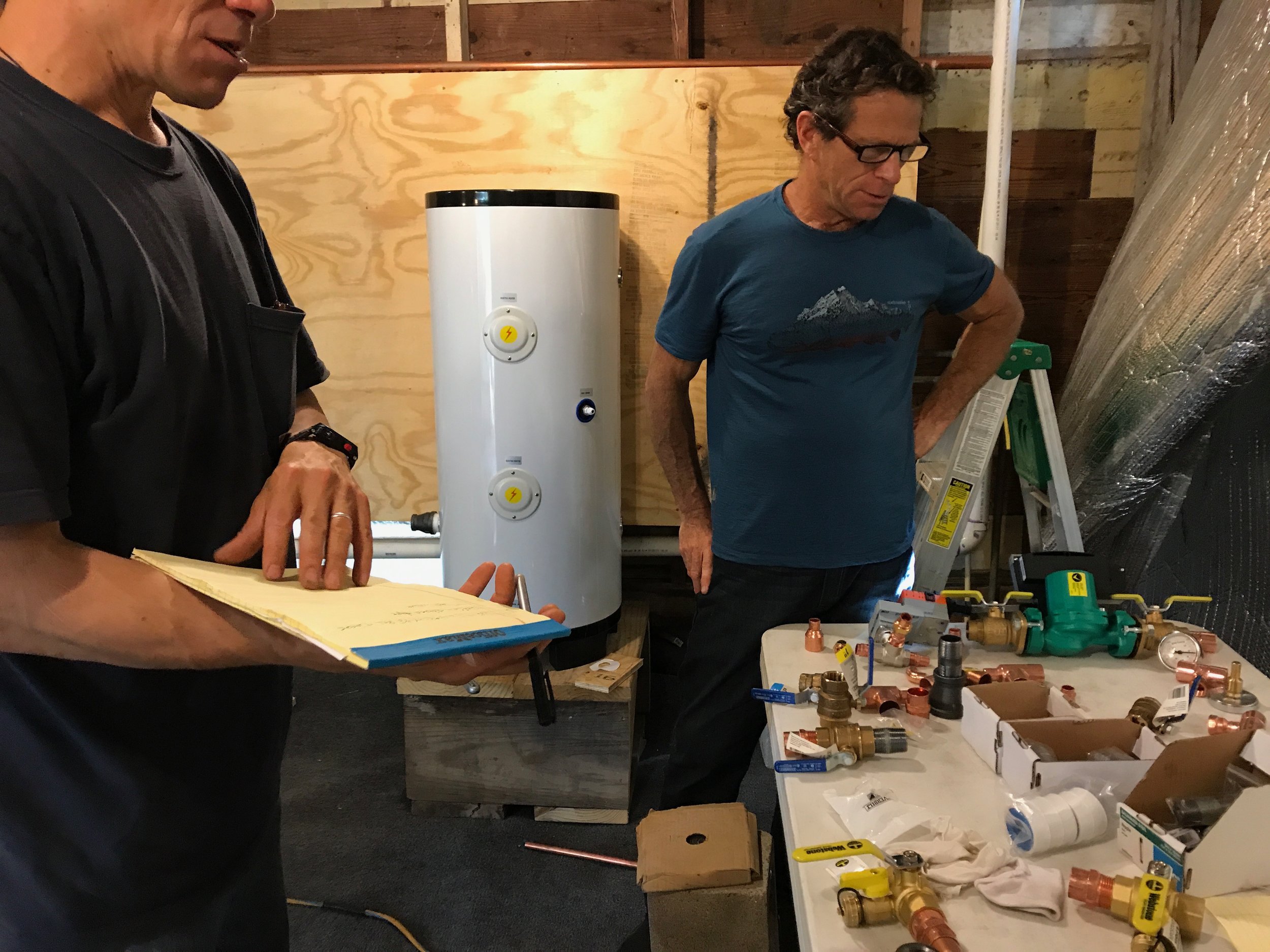
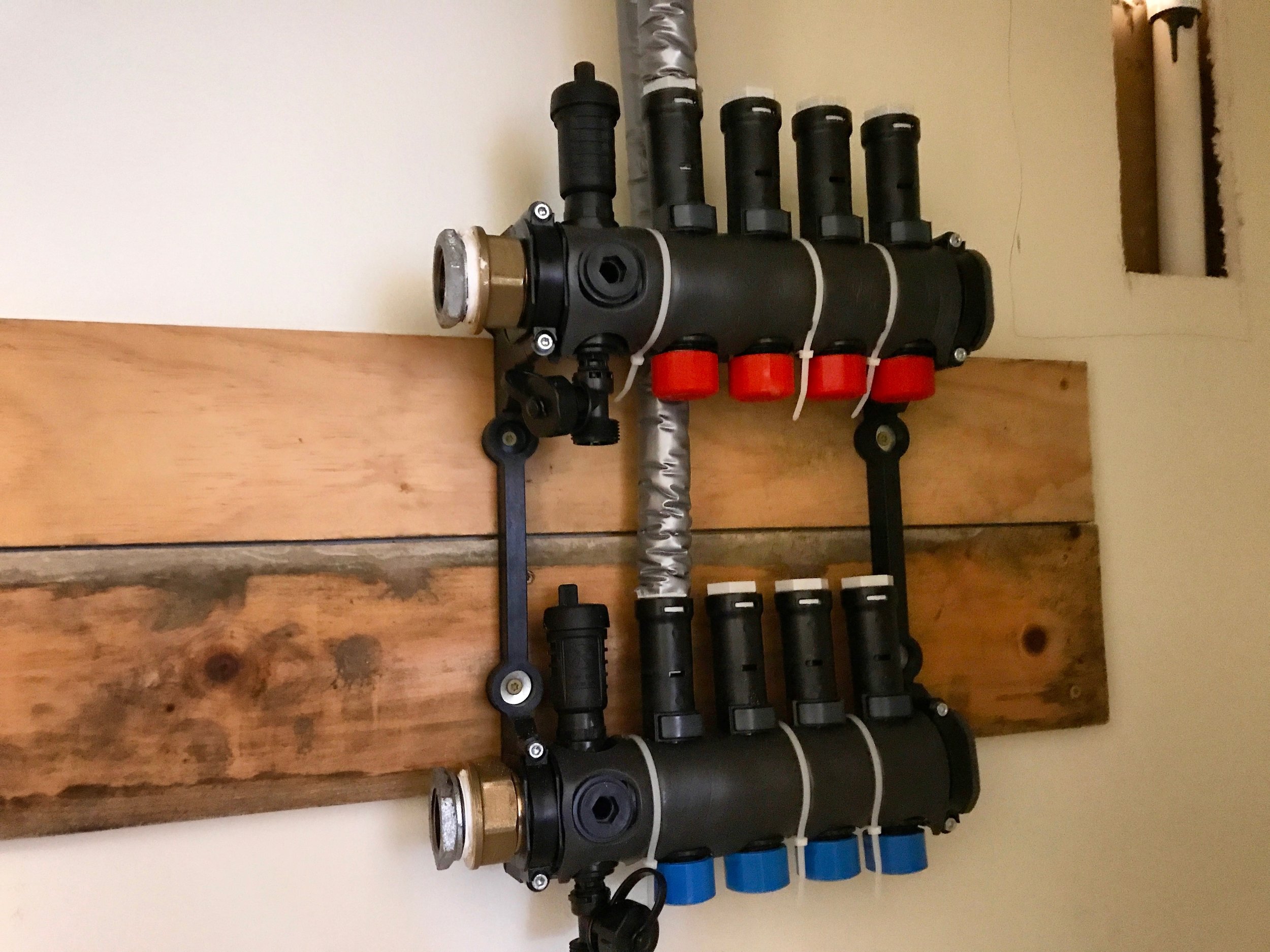
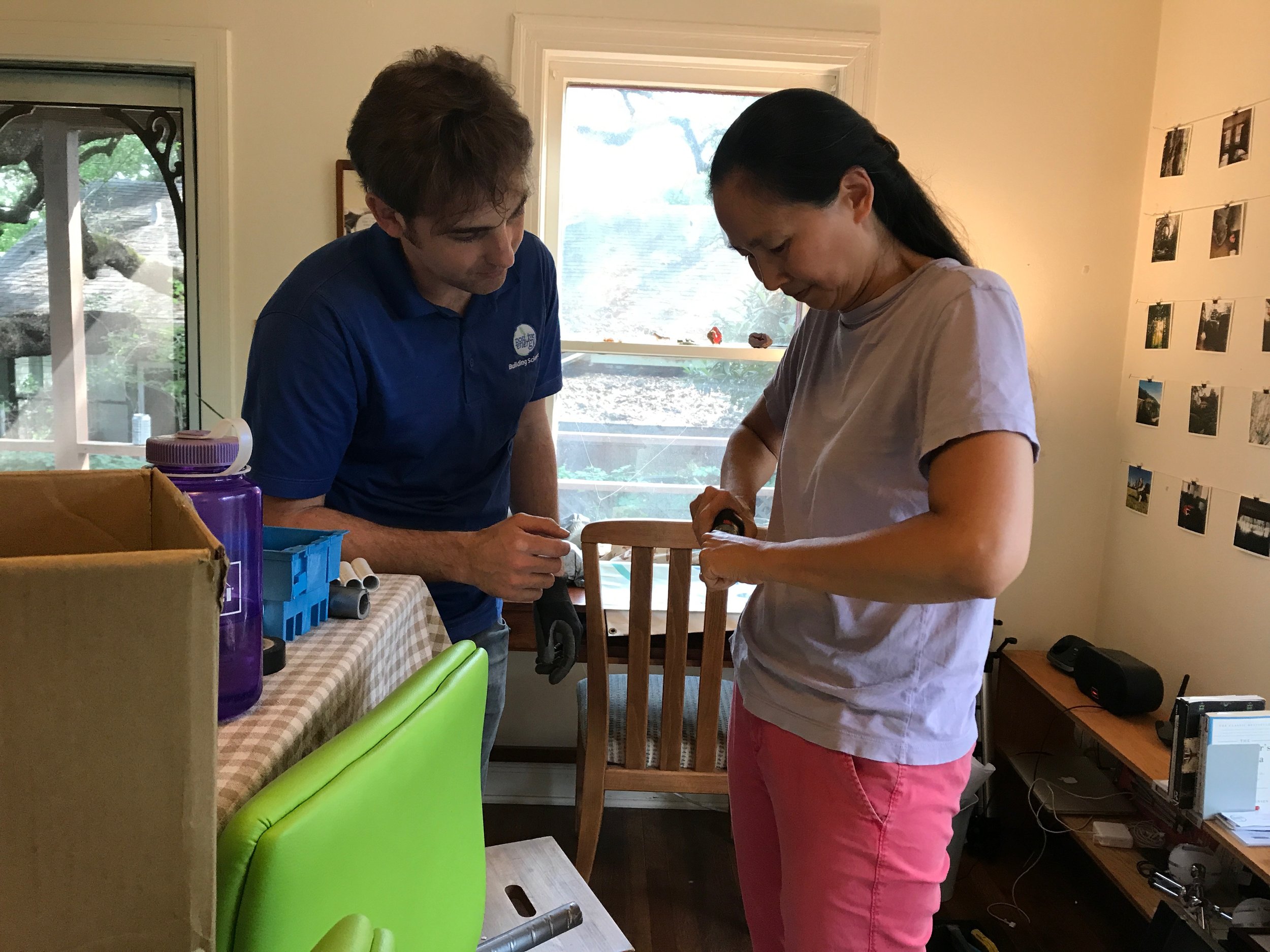
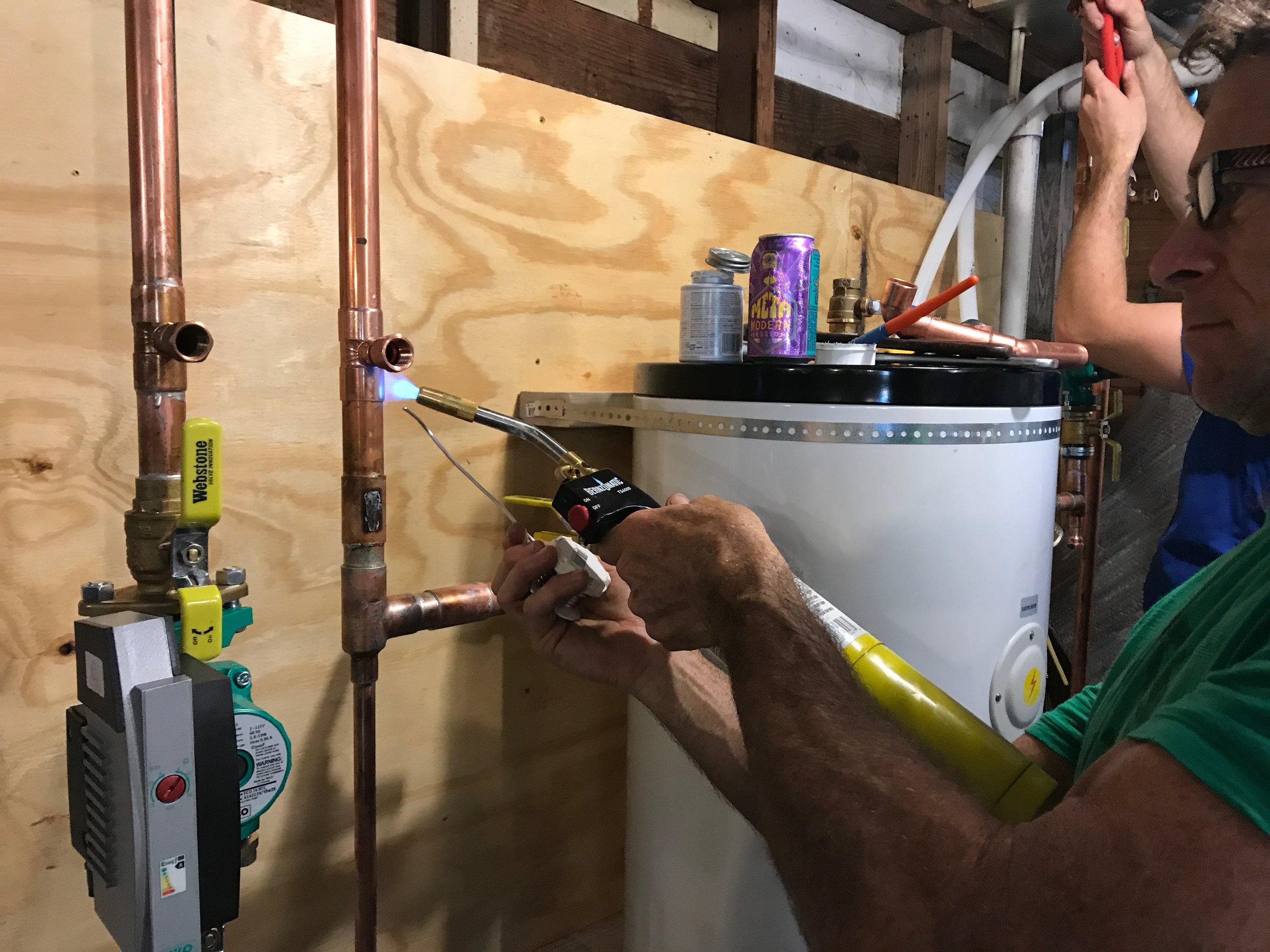

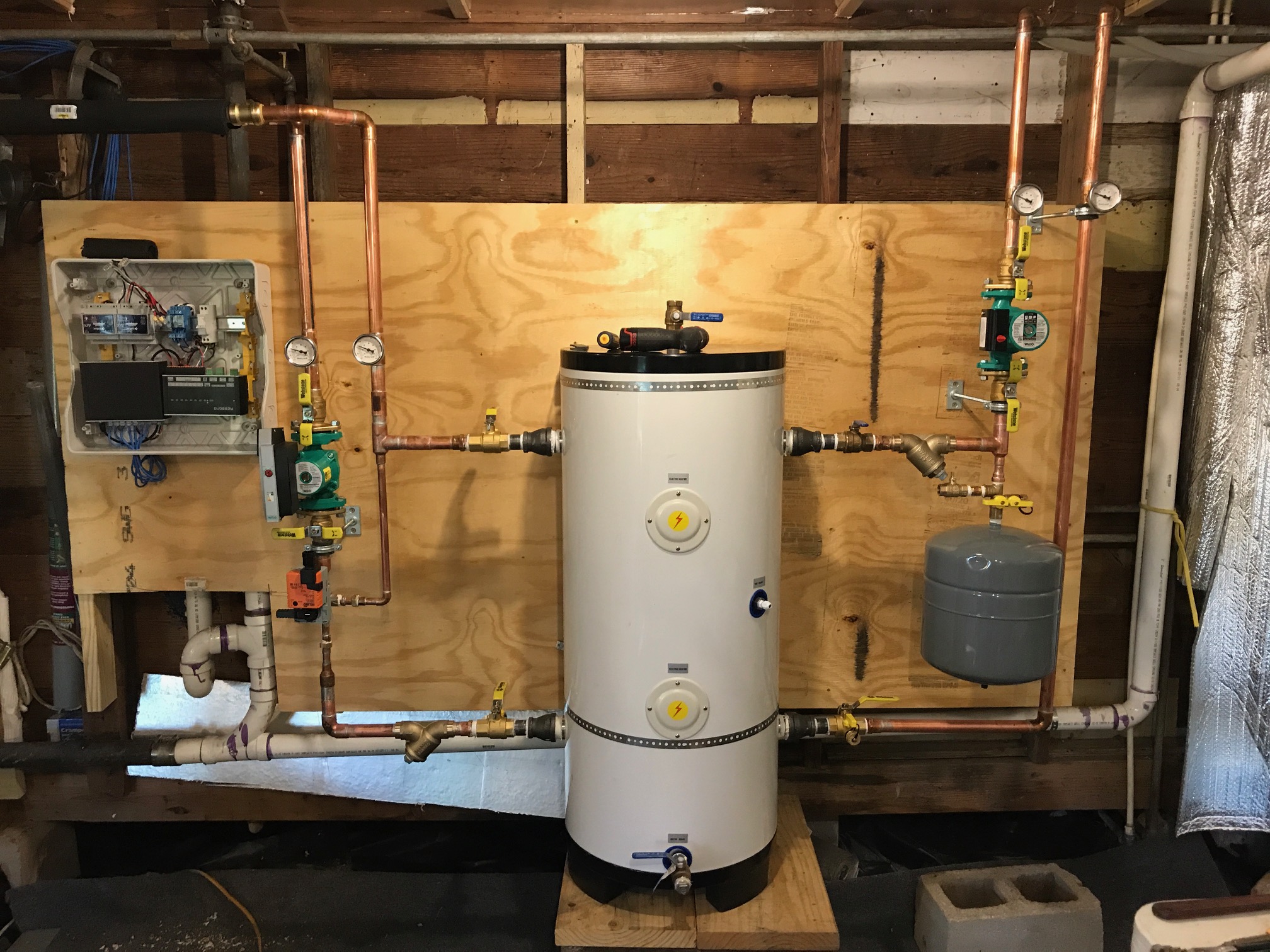
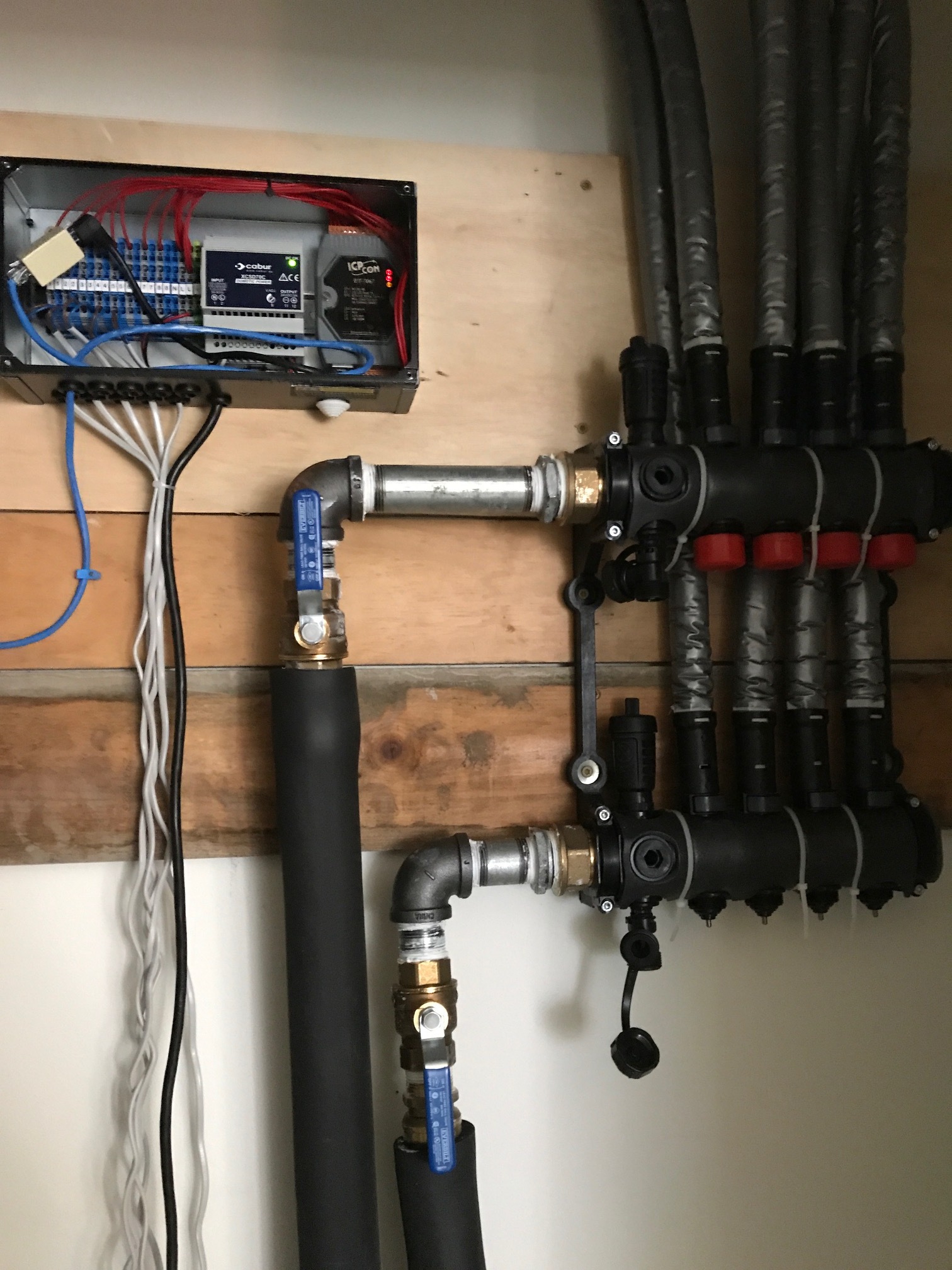
It fortuitously happened that day that the morning outdoor temps started in the 50s and climbed into the upper 80s by afternoon. We had opportunity to use both system modes after we finally got the system turned on. And of course, we got out the IR cameras in both heating and cooling modes.

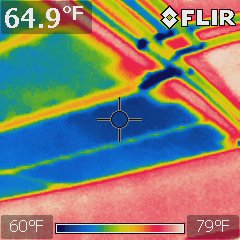
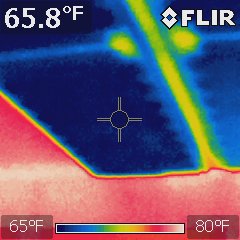

What would change if we heated and cooled buildings with water rather than air?
Thermally active surfaces stand to advance architecture’s practices and performances: its techniques, technologies, professional and ecological sustainability, budgets, and formal possibilities.
“Thermally active building surfaces is a technique that promises to finally dissolve the fallacy of fragmented architectural design, building science, and their pedagogies.”
If this maxim holds true, then our office should be the coolest one on the block (pardon the pun). We're thrilled to have this system in our office and can't wait to have you over to check it out. Let us know next time you'll be in the neighborhood and we'll see about having you over to check out our 8th wonder of the world.
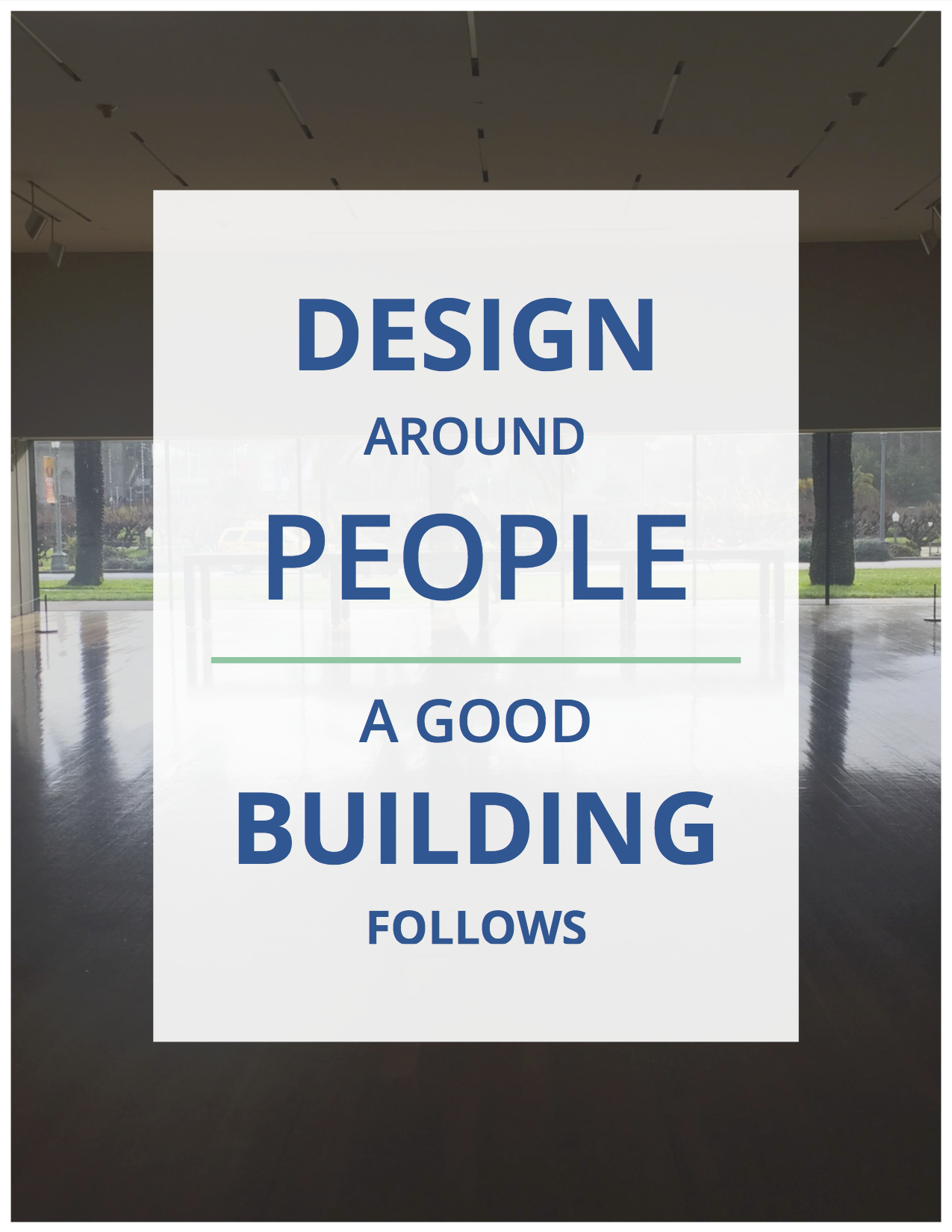
And remember, all of this madness is because we see the clear future for architecture and construction in one simple phrase:
Want To See It In Person?
Thursday, June 22
Please join us to get an in-person tour of our radiant system and discussion about the benefits and future of systems like this:
Bring the beer/wine you love along with an open mind.
Come to our office at 1206 B South 3rd, Austin, TX 78704
Please respect our neighbors by parking along 3rd street near the park
Show up at 4:30PM, leave at 6:00PM
Big thanks to our friends at Messana for their generous material, intellectual, and financial support of this system. Without their help, it wouldn't have been even remotely possible. Check out their amazing products yourself and don't hesitate to reach out to us with more questions about how it all works
